First-Time Homebuyers 2026: The Affordability Guide
First-time homebuyers fell to a record-low 21% of the US market. Mortgage rates, down payments, buydowns and how to make the math work in 2026.
One number captures what is broken, and what is quietly improving, about the US housing market in 2026: first-time homebuyers made up just 21% of all purchases last year, an all-time low, while their median age climbed to a record 40. Historically, first-timers account for roughly 40% of sales. Half a generation of would-be owners has been pushed to the sidelines by arithmetic rather than by lack of desire. And yet, as 2026 unfolds, the math is starting to bend back in their favor.
For the production homebuilder, the housing-policy analyst and the renter doing the down-payment calculus, the story this year is a slow, uneven thaw. Mortgage rates are easing, inventory is rising, and builders are deploying incentives at a scale not seen in a decade. The question is no longer whether the bottom is in, but who moves first.
A first-time homebuyer is a purchaser who has not owned a primary residence in the prior three years, the demographic that traditionally drives housing turnover and signals the market's underlying health. When their share shrinks, the entire chain of move-up sales stalls, and when it expands, transaction volume recovers across the market.
The 2026 affordability picture, by the numbers
The headline data tells a market in transition. According to the National Association of Realtors' 2025 Profile of Home Buyers and Sellers, the first-time buyer share has contracted by 50% since 2007. But the flow data is turning: existing-home sales rose 3.2% in May 2026, and NAR forecasts a 14% increase in existing-home sales for the full year.
| Metric | 2026 reading | Direction |
|---|---|---|
| First-time buyer share | 21% (record low) | Bottoming |
| Median first-time buyer age | 40 (record high) | Rising |
| 30-year fixed mortgage rate | ~6.3%–6.6% (early June) | Easing toward 6% |
| Median existing-home price (May) | $429,300 | Slowing growth |
| Months of inventory (May) | 4.5 | Rising |
The clearest tailwind is rates. After touching 5.98% in late February 2026 and climbing to 6.53% by late May, the 30-year fixed is now projected to ease back toward 6%. That drift matters more than it looks: a one-percentage-point drop in mortgage rates expands the pool of households who can qualify by roughly 5.5 million, including about 1.6 million renters who could finally become first-time buyers.
Why are first-time homebuyers struggling in 2026?
The short answer is a three-way squeeze: elevated mortgage rates, a chronic shortage of starter homes, and down payments at their highest level since 1989. Builders have favored higher-priced homes where margins are stronger, leaving the entry-level supply thin. Even buyers with stable income and no change in their finances can fail underwriting simply because rates lifted their projected monthly payment past the threshold.
Down payments deserve special attention because they reveal how the burden has shifted. NAR data shows 59% of first-time buyers rely on personal savings, 26% tap financial assets like 401(k)s and IRAs, and 22% receive a gift or loan from family. In other words, the path to a first home increasingly runs through accumulated wealth, which is precisely why the median first-time buyer has risen to 40 from 29.
The first-time buyer has not disappeared. They have aged, leveraged family wealth, and waited. The market that learns to reach them, with the right product, price point and financing, owns the next decade of demand.
The supply story compounds the squeeze. As of May 2026, the market held 4.5 months of inventory, better than a year earlier but still tight by historical standards. As the HousingWire analysis of existing-home sales noted, if buyers return faster than listings, the affordability gains from lower rates could be eaten by renewed price pressure. The thaw is real, but fragile.
How are homebuilders responding to entry-level demand?
In practical terms, the large public builders are buying down the math themselves. According to the National Association of Home Builders' 2026 outlook, 64% of builders offered sales incentives in early 2026, and some more than doubled them, from roughly $18,000–$21,000 to over $52,000 per sale.
The dominant tool is the mortgage rate buydown. As the NAR analysis of builder incentives explains, these deals can shave rates from the high-6% range into the 5% range for the life of the loan. A realtor.com study found new-build buyers secured rates about half a percentage point lower than resale buyers, roughly $105 in monthly savings on a $400,000 home. D.R. Horton, which expanded its community count 12% for 2026 and led all builders with 3,935 permits in Q1, has made entry-level scale its entire thesis.
Free resource
Capture entry-level demand at scale
Reaching first-time buyers is a volume game won on paid media. Download our guide to paid media for launches, covering traffic, cost-per-lead and attribution for builders selling at scale.
Download the guide →Is 2026 a good time to buy a first home?
For buyers who can clear the down-payment hurdle, 2026 is shaping up as the most favorable entry window in three years. Rates are drifting toward 6%, inventory is the highest since the pandemic distortion, and builder incentives are richer than at any point in a decade. The catch is timing: if the 1.6 million sidelined renters return at once, competition will tighten and the window narrows.
The smart play depends on which side of the transaction you sit on. Three moves define the 2026 entry-level market:
- Lead with financing, not price. A permanent buydown into the 5% range moves more entry-level buyers than a comparable price cut, because it lowers the monthly payment that underwriting actually tests.
- Build and market the starter product. The supply gap is at the entry level; that is where absorption is fastest and incentives go furthest.
- Reach the 40-year-old first-timer where they are. Today's first buyer is older, more financially literate and researches longer, a profile that rewards content and brand over hard-sell tactics.
Each of these is a marketing problem as much as a financing one. The builders winning the entry-level race do more than cut checks: they reach a more cautious, more researched buyer with clarity and trust.
Frequently asked questions
Why are first-time homebuyers struggling in 2026?
First-time buyers face a three-way squeeze: 30-year mortgage rates still above 6%, a shortage of affordable starter homes as builders favor higher-margin products, and down payments at their highest level since 1989. The combined effect pushed the first-time buyer share to a record-low 21% and lifted the median first-timer's age to 40.
What is a mortgage rate buydown?
A mortgage rate buydown lowers a borrower's interest rate, either temporarily or permanently, usually paid for by the builder or seller. A temporary 2-1 buydown cuts the rate by 2 points in year one and 1 point in year two. A permanent buydown reduces the rate for the full loan term via upfront points, and can move a high-6% rate into the 5% range.
How much do you need for a down payment in 2026?
There is no single figure. Many first-time buyer programs allow 3% to 5% down, while the median first-time down payment is now the highest since 1989. Most first-timers fund it through savings (59%), financial assets like 401(k)s and IRAs (26%), or a gift from family (22%). The down payment, not the rate, is now the primary barrier for many.
Will mortgage rates drop in 2026?
Forecasts point to the 30-year fixed easing toward 6% over 2026, after a range of roughly 6% to 6.6% through the first half. A one-percentage-point drop would expand the qualifying pool by about 5.5 million households, including 1.6 million renters. Rates are unlikely to return to pandemic-era lows, but the direction favors buyers.
Are new-construction homes cheaper to finance?
Often, yes, through incentives rather than price. In early 2026, 64% of builders offered sales incentives, with some exceeding $52,000 per sale. A realtor.com analysis found new-build buyers secured rates about half a point below resale buyers, saving roughly $105 a month on a $400,000 home, largely via builder-funded rate buydowns.
The first-time buyer who vanished from the 2025 market was never gone, only priced out and waiting. In 2026, the door is opening again: lower rates, more inventory, and builders willing to subsidize the very math that locked buyers out. The developers and brands that meet this older, warier first-timer with the right product and the right story will define the next cycle. Follow the shift on the TBO blog and see how brand and marketing apply at scale, not only at the top, all gathered in our real estate market hub.
Next step
The first-time buyer is back, older and harder to reach. Is your brand built to win them at entry-level scale?
Talk to TBO →Innside Imob is TBO's newsletter, with analysis on branding, architecture and high-end real estate. Subscribe here →
You may also like
US housing affordability 2026: the first-time buyer crisis
First-time buyers hit a 44-year low of 21% share in the US market. With rates at 6.53% and prices up 60% in six years, here is the math for 2026.
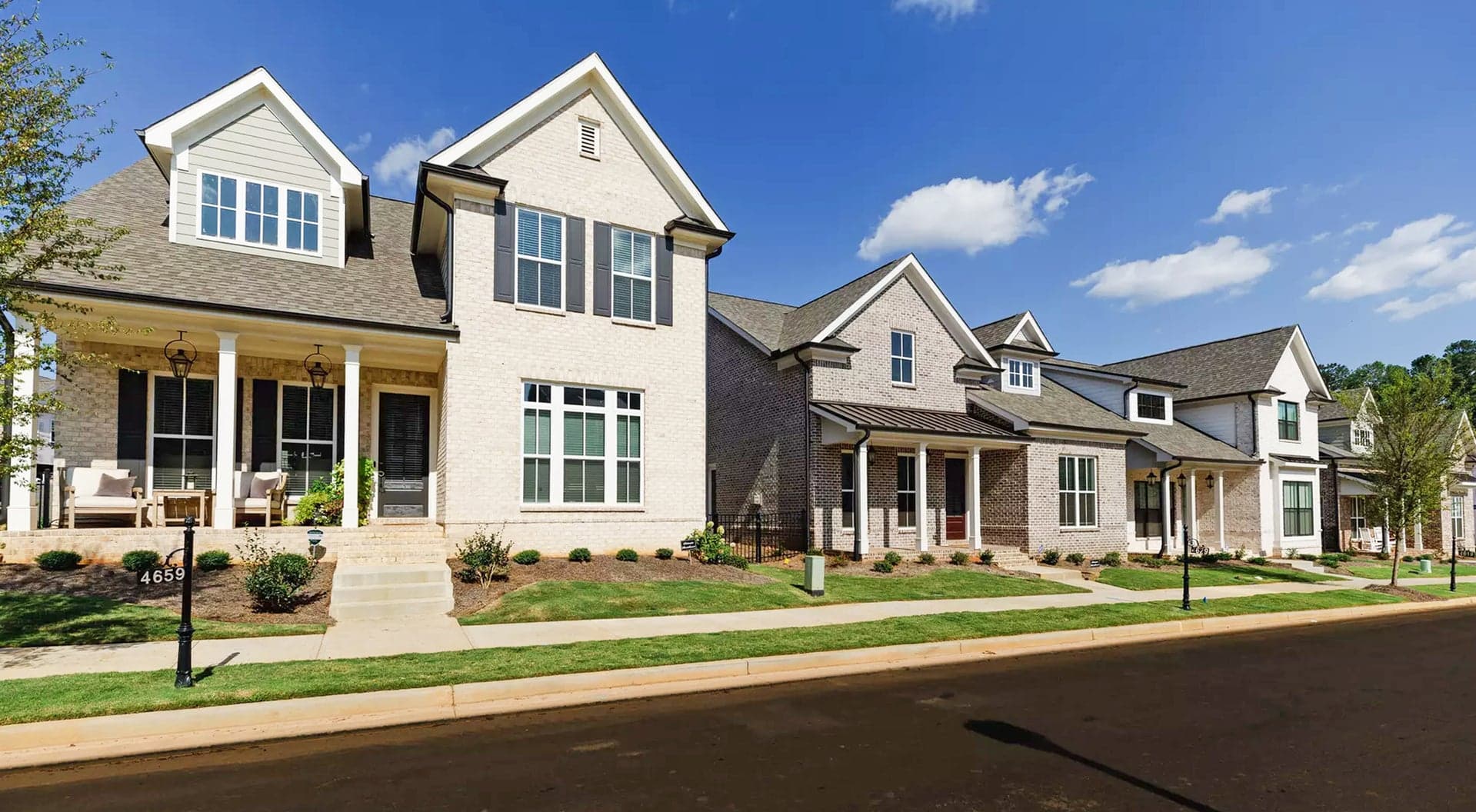
US homebuilders 2026: winning the first-time buyer
Big US homebuilders are buying the entry-level market in 2026 with rate buydowns resale sellers cannot match. How the incentive economy works.
Mortgage rates in 2026: below 6.5% as the Fed holds
US mortgage rates dipped below 6.5% in June 2026 while the Fed held and pushed cuts to 2027. What it means for buyers and the housing market.