Short-term rental as an asset class in 2026
Short-term rental as an asset class matured in 2026. Why developers now design the yield in before breaking ground.
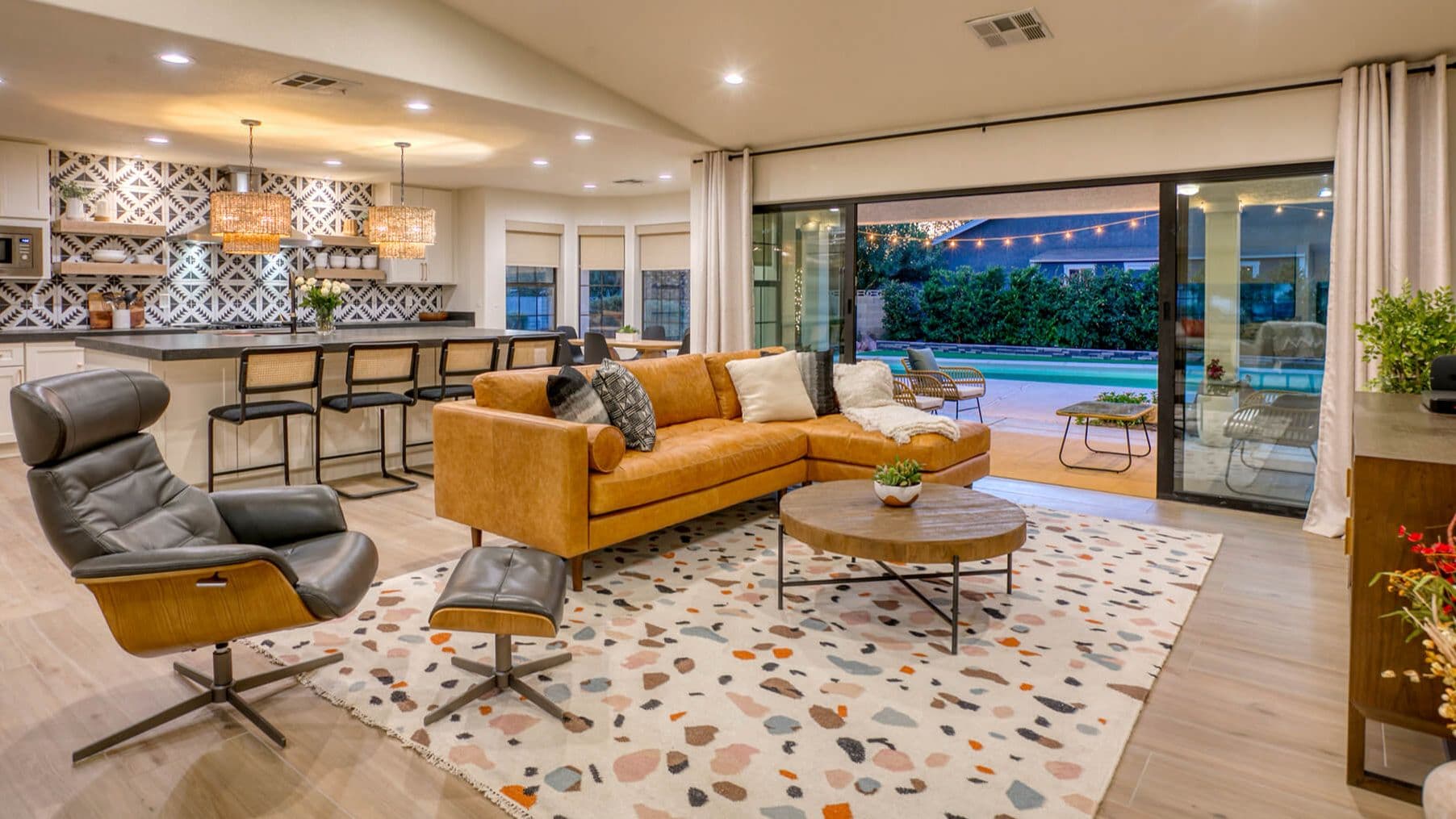
For most of the last decade, the short-term rental was something a buyer figured out after closing, a spare condo, a beach house, a spreadsheet of nightly rates assembled on weekends. That era is ending. In 2026, the short-term rental as an asset class has matured to the point where the smartest developers are designing the product for the investor before the foundation is poured. AirDNA calls 2026 the best year to invest in short-term rentals since 2021. The opportunity is real, but it now rewards intention over improvisation.
A short-term rental as an asset class is a residential property designed, priced, and marketed primarily for its nightly-rental yield rather than for owner-occupancy or long-term lease. When a developer builds with the investor, not the resident, as the end buyer, the unit stops being a home that happens to be rented and becomes a financial product with a floor plan.
The US short-term rental market in 2026: normalizing, not collapsing
The headline numbers describe a market settling into maturity. According to AirDNA's 2026 US Short-Term Rental Outlook, available listings are set to grow 4.6% this year, a fraction of the roughly 20% supply explosion of 2021 and 2022. Revenue per available rental edges up about 0.5%, average daily rates strengthen 1.5%, and occupancy eases by roughly a point as supply and demand renormalize. Nights booked started the year up 5.5% year over year in January. This is not a boom; it is a floor under a more disciplined market.
The platform data tells the same story from the other side. Airbnb reported Q1 2026 revenue of $2.678 billion, up 18%, on $29.2 billion of gross booking value and 156.2 million nights and seats booked. First-time bookers grew 10%, the fastest pace since early 2022, with notable acceleration in Brazil, Japan, and India. The company raised its full-year outlook to low-to-mid-teens revenue growth. Demand is broadening and globalizing, even as the easy-money supply wave recedes.
What changed is the bar. With supply growth cooling and occupancy flat, the difference between a profitable unit and a stranded one is no longer the macro, it is the product. Location, layout, design, and brand now decide the yield. That is precisely why the asset class is moving upstream into development.
Who is buying, and what is actually driving demand
Two demand signals matter most for anyone designing a short-term rental product in 2026. The first is size. AirDNA's data shows demand for six-plus-bedroom properties rose 12.61% year over year, five-bedroom homes 10.65%, and three-bedroom homes 7.48%. Group travel, multigenerational trips, friend cohorts, remote-work clusters, is outpacing the studio-and-one-bedroom segment that the 2021 supply wave flooded. Bigger, better-amenitized homes are where the unmet demand sits.
The second is the event calendar. The 2026 FIFA World Cup, hosted across North America, is a structural tailwind for host cities. AirDNA projects above-trend RevPAR growth in markets such as Philadelphia (+6.3%), the Jersey City and Newark corridor (+5.6%), and Dallas (+5.5%). For developers with inventory delivering into those windows, the marketing question is not whether demand exists, it is whether the product is positioned to capture it at the right rate.
Underneath both signals is a buyer who has changed. The 2026 short-term rental investor is more discerning, more data-driven, and far less willing to overpay for a generic unit in an oversupplied submarket. They read AirDNA before they read the brochure. Selling to them requires evidence, not adjectives.
Is investing in short-term rentals still worth it in 2026?
The short answer is yes, but selectively. In 2026, short-term rentals reward investors who pick supply-constrained, demand-resilient markets and buy a property designed for nightly rental, not a generic condo repurposed as one. With supply growth at 4.6% and rates rising 1.5%, the average unit treads water while well-located, well-designed, larger homes outperform. The asset class works; the careless version of it does not.
The thesis: the yield is designed in, not discovered later
Here is the uncomfortable truth for developers who still sell floor plans and let buyers worry about returns: in a mature short-term rental market, the yield is a design decision, not a discovery. Whether a unit clears $40,000 or $90,000 a year is largely determined before launch, by the bedroom count, the layout's sleeping capacity, the amenity mix, the photogenic quality of the spaces, and the credibility of the brand wrapped around it. Pretending otherwise hands that margin to the operator who figures it out after you.
The developer who designs for the investor sells a pro forma, not a property. The one who designs for the resident and hopes the investor follows is selling a guess, and discounting it later.
This is the editorial gap nobody on the first page of search is filling. The financial models and tax-loophole explainers all address the buyer's side of the transaction. Almost no one addresses the developer's side: how to conceive, position, and brand a building so that its units read as yield instruments from the first render. That is where real estate branding stops being decoration and becomes the core of the financial pitch.
How developers should build for the short-term rental investor
Designing a building as an investment-grade short-term rental product comes down to a handful of decisions made early:
- Design for capacity, not just square footage: sleeping headcount and group-friendly layouts drive nightly rate more than raw area in the segments where demand is growing.
- Underwrite the amenity mix to RevPAR: every pool, workspace, and design feature should be justified by its effect on rate and occupancy, not by showroom appeal.
- Brand the building as a product, not a place: a coherent name, identity, and story let the unit command a rate uplift the way a branded residence does.
- Sell the pro forma visually: investors buy off-plan on the strength of directed 3D imagery that shows the lived, rented experience, not empty rooms.
- Map the regulatory floor before you launch: the markets that protect legal short-term rental supply are the ones where the asset class holds value.
Free resource
The guide to directed 3D imagery for off-plan launches
Investors buy the rented experience before it exists. This guide shows how directed 3D visualization sells the pro forma, not empty rooms, and lifts the rate a unit can command.
Download the guide →Which short-term rental markets look strongest in 2026?
The strongest 2026 markets share three traits: constrained or protected supply, durable demand drivers, and a regulatory regime that does not threaten legal listings. The table below frames the forces shaping where the asset class performs, and where regulation is the real risk.
| Factor | Tailwind for the asset class | Headwind / risk |
|---|---|---|
| Supply | Growth cooling to 4.6% (AirDNA) | Oversupplied 2021-22 submarkets |
| Demand | 6+ bedroom demand up 12.61%; World Cup host cities | Flat occupancy on generic units |
| Pricing | ADR rising 1.5% in 2026 | RevPAR up only ~0.5% on average |
| Regulation | Cities expanding legal supply (e.g., Los Angeles debate) | Bans and caps (Montréal, Alabama caps, state bills) |
Regulation is now the swing variable. In early 2026, Los Angeles debated expanding Airbnb-style rentals while Montréal weighed a seasonal ban and a North Alabama city capped listings at 150 a year. The asset class does not fail uniformly, it fails locally, by ordinance. Underwriting the legal floor is now as important as underwriting the comp set, a discipline we treat as part of any serious real estate marketing and product strategy engagement.
The takeaway for developers
The short-term rental has graduated from a buyer's side hustle to a category that developers can build for on purpose. The market in 2026 is broad enough to reward good product and unforgiving enough to punish lazy product. The teams that win will be the ones that decided, before breaking ground, exactly which investor they were building for, and made the yield visible from the very first image. Everyone else will be explaining, unit by unit, why the spreadsheet did not work out.
Frequently asked questions
What makes a short-term rental an asset class rather than just a property?
It becomes an asset class when the property is designed, priced, and marketed for its nightly-rental yield rather than for living in. That means capacity-driven layouts, amenities underwritten to RevPAR, a brand that supports rate, and a sale built around a pro forma. The financial logic leads the design, not the other way around.
Are short-term rentals a good investment in 2026?
Selectively, yes. AirDNA frames 2026 as the strongest entry point since 2021, but with supply up 4.6% and average RevPAR up only about 0.5%, returns concentrate in supply-constrained markets and well-designed, larger homes. Generic units in oversupplied submarkets are likely to underperform. Market selection and product quality decide the outcome.
What is the biggest risk to short-term rental investments right now?
Regulation. Through 2026, cities and states have moved in both directions, Los Angeles debating expansion while Montréal, South Carolina, and Alabama jurisdictions pursued bans or caps. Because the rules are set locally, two similar properties can have very different legal futures. Underwriting the regulatory floor is now essential before acquisition or launch.
How should developers market a building built for investors?
By selling the yield, not the address. That means branding the building as a product, using directed 3D imagery to show the rented experience before completion, and presenting a credible pro forma. Investors in 2026 read market data before brochures, so evidence and positioning matter more than lifestyle adjectives.
For further reading on behavior and design, see the trends desk.
Next step
If your next development could sell to investors as a yield product, but is still being marketed as a home that happens to rent, the positioning is leaving margin on the table.
Talk to TBO →Cover image: Staging Studio
You may also like
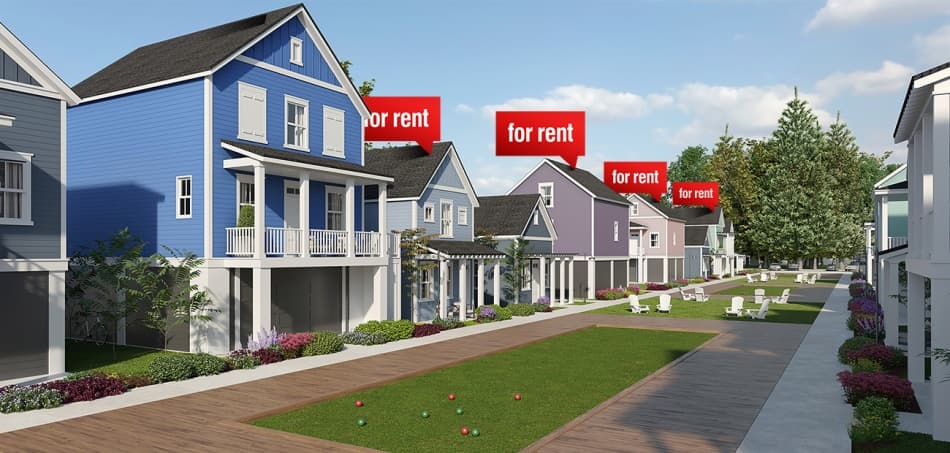
Build-to-rent in 2026: the new front in the housing war
Build-to-rent went from 2.7% to 7% of single-family starts — then Washington moved to curb it. Why the 2026 housing fight gets the target wrong.
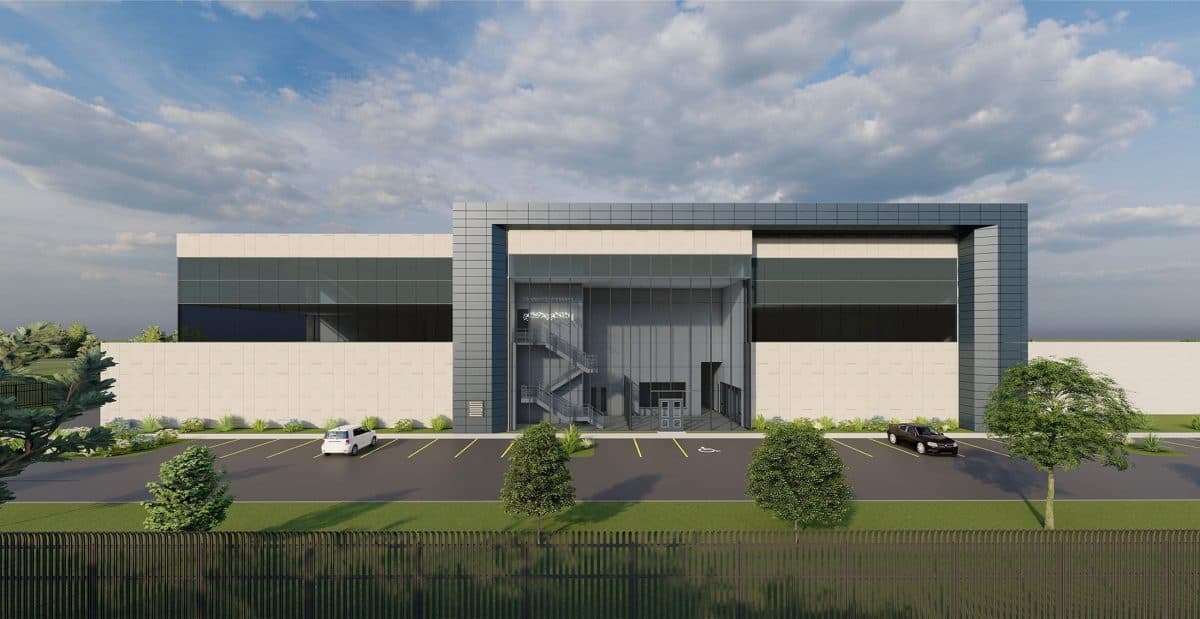
Data center real estate: 2026's hottest asset class
Data center real estate is 2026's most contested asset class. Why AI demand, power scarcity and private capital are rewriting the map.
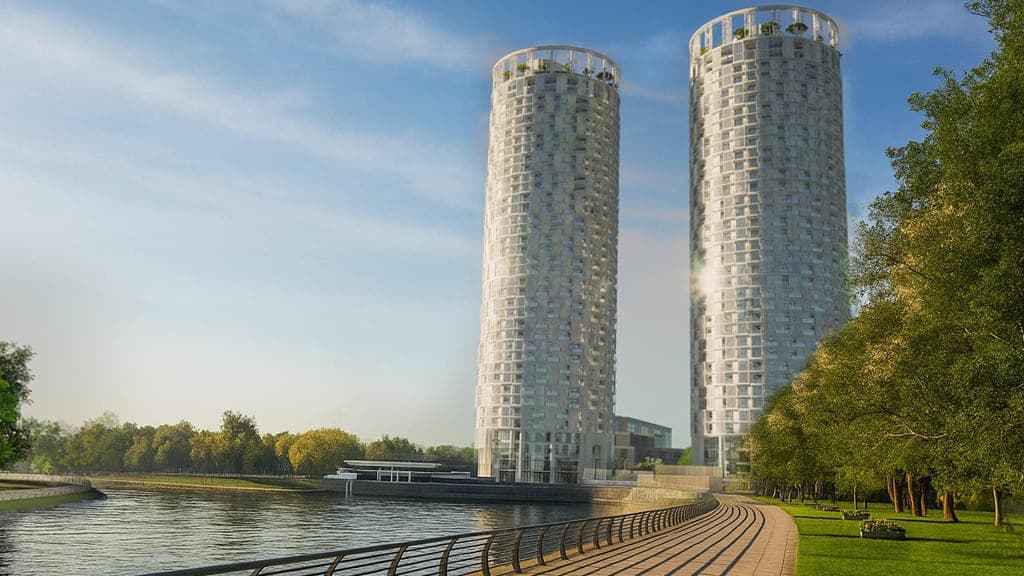
Real estate tokenization in 2026: the $4T question
Deloitte sees tokenized real estate reaching $4T by 2035. In 2026 the plumbing—Chainlink, Caliber, custody—finally caught up. A grounded reality check.