Wellness real estate in 2026: the trillion-dollar address
Wellness real estate is now a US$548B sector on track to top US$1 trillion. What developers and architects must build to capture the wellbeing premium.
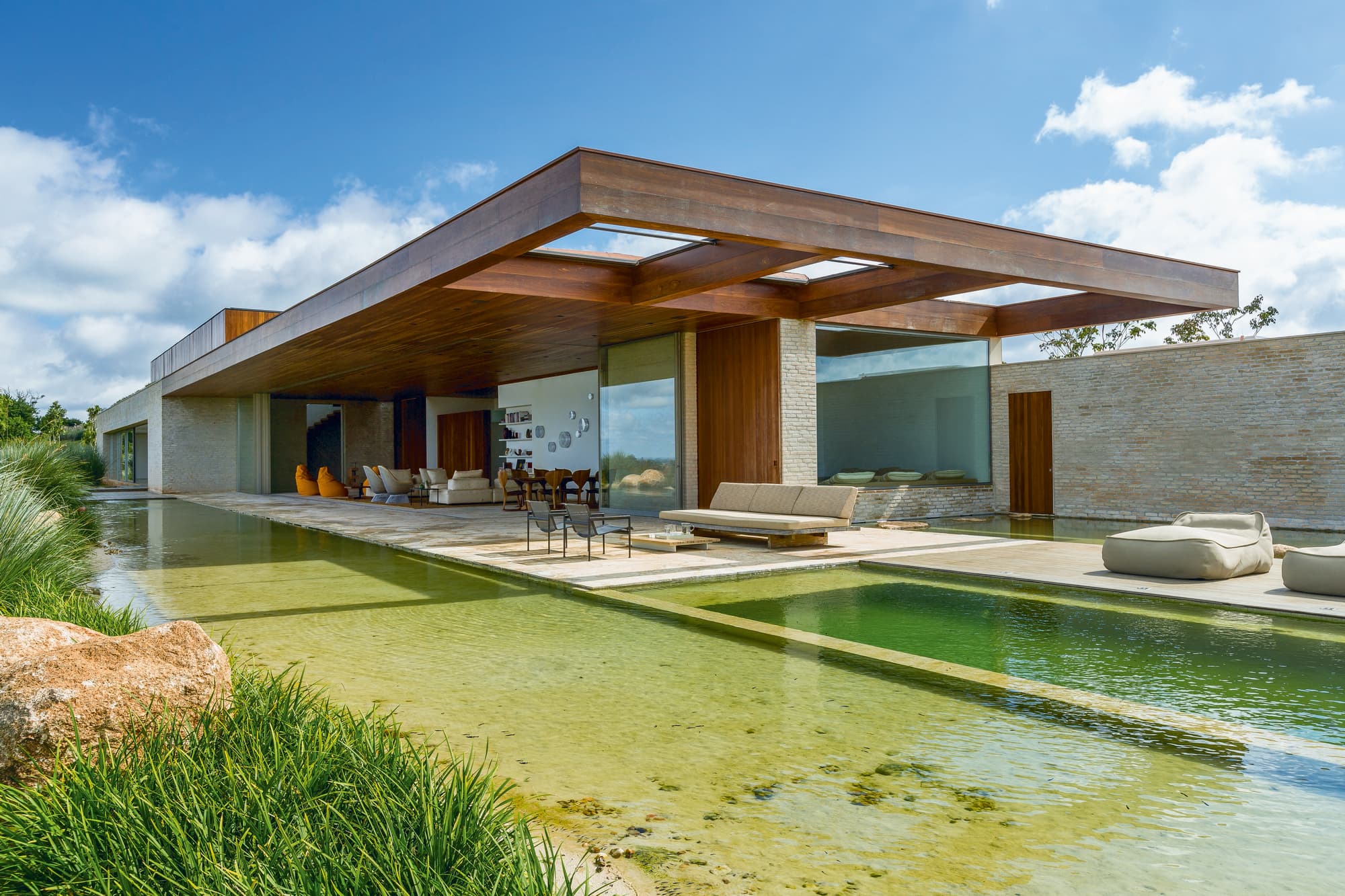
For a decade, the sauna, the cold plunge and the circadian-lighting scheme were the sort of amenities a developer bragged about in the sales gallery. In 2026 they are becoming the price of entry. The reason is a number that has stopped being a niche curiosity: according to the Global Wellness Institute, wellness real estate is now valued at roughly US$548 billion globally and is on track to surpass US$1 trillion before the end of the decade, expanding around 15% a year through 2030. No other slice of the built environment is compounding that fast.
The Institute's headline trend for the year names the shift bluntly: "The Wellbeing Address: where you live is how long you live." That framing turns a soft category into a hard asset thesis. Longevity science, insurance economics and buyer anxiety are converging on the home itself, and the developers who read the signal early are quietly rewriting their unit mixes, their material specs and their marketing around it.
What is wellness real estate?
Wellness real estate is residential and mixed-use property designed, built and operated to actively support the physical and mental health of the people inside it. It goes beyond a gym and a pool: think air and water filtration, human-centric lighting, low-tox materials, acoustic control, biophilic design and access to nature and community. The defining test is intent, the building is engineered to change how its residents feel, sleep and age, not merely to shelter them.
The last cycle sold square meters and a view. This cycle sells a measurable outcome: better sleep, cleaner air, more years. Wellness is the first amenity a buyer can feel in their own body.
Why is the wellbeing premium suddenly bankable?
Because the demand is now measurable and the supply is still scarce. The pandemic made indoor air quality a household concern; longevity culture made biological age a status metric; and remote work made the home the primary site of daily health. Those forces don't reverse. Even hardware markets tied to the trend are moving: the US sauna market alone is expected to grow by US$161.3 million between 2025 and 2030, per market-intelligence data cited by Business Insider. When a single amenity category grows like that, the building wrapped around it commands a premium the market is willing to underwrite.
Free resource
Brand Platform: position a wellness development before you build it
A wellbeing promise only holds if the brand can prove it. Download the brand platform guide TBO uses to turn a health thesis into product, pricing and messaging decisions.
Download the guide →What is an example of wellness real estate?
The category spans two ends of the market. At the master-planned end, communities like Serenbe outside Atlanta and Lake Nona in Orlando (developed by Tavistock) built health infrastructure, walkability, trails and food systems into the ground plan itself. At the vertical, urban end, towers increasingly pursue the WELL Building Standard from the International WELL Building Institute, or license wellness engineering from specialists such as Delos. The common thread is that wellness stops being decoration and becomes a certified, spec-level commitment.
The amenities that quietly became standard
The fastest way to read the shift is to watch which features migrated from "signature" to "expected" in a single cycle.
| Feature | 2018 status | 2026 status |
|---|---|---|
| Air and water filtration | Luxury upgrade | Baseline expectation |
| Circadian / human-centric lighting | Experimental | Spec-level in new towers |
| Sauna and cold plunge | Spa amenity | Standard wellness suite |
| Biophilic design and green terraces | Marketing render | Design requirement |
| Acoustic and low-tox materials | Rarely specified | Certification criteria |
What developers should build now
Capturing the wellbeing premium is a design-and-proof problem, not a poster. A credible wellness development moves in this order.
- Commit at the spec, not the render: filtration, lighting and materials decided in design development, not promised in the brochure.
- Certify the claim: a WELL or comparable third-party standard turns "wellness" from adjective into evidence a buyer and a lender can trust.
- Design for community and nature: the loneliest tower with the best gym still fails the longevity thesis; walkability and social space carry as much weight as hardware.
- Operate it: wellness is a service, not a fixture. Air quality dashboards, programming and maintenance are what keep the premium alive after handover.
- Position it honestly: a health promise the building cannot keep is the fastest way to convert a premium into a lawsuit.
For the strategic backdrop, see our take on how lifestyle marketing sells luxury real estate, and browse the trends hub where we track the movements reshaping the built environment.
Frequently asked questions
How big is the wellness real estate market?
The Global Wellness Institute values the sector at about US$548 billion globally in its 2026 reporting, projecting it to exceed US$1 trillion before the end of the decade at roughly 15% annual growth, making it one of the fastest-compounding categories in real estate.
Does wellness real estate command a price premium?
Yes, though it must be earned. Certified, well-operated wellness developments consistently price above comparable conventional stock, but the premium collapses when the building cannot prove the claim through certification and ongoing operation.
Is wellness real estate only for the luxury market?
No. While it started at the top, the biggest growth is now in mid-market housing, where filtration, daylight and walkability are being built in as standard rather than upsold. The wellbeing thesis scales because health is not a niche preference.
What certification matters most?
The WELL Building Standard from the International WELL Building Institute is the most recognized third-party benchmark, alongside biophilic and healthy-material frameworks. Certification is what separates a marketing claim from a financeable asset.
Next step
If your next development is going to charge for wellbeing, the brand has to prove it before the first buyer walks in.
Talk to TBO →Cover image: ArchDaily