Dubai real estate 2026: the crash moved to 2027
Dubai's 2026 handover wave slipped into 2027. What corrected was the resale layer, not the market, and the real test now has a date.
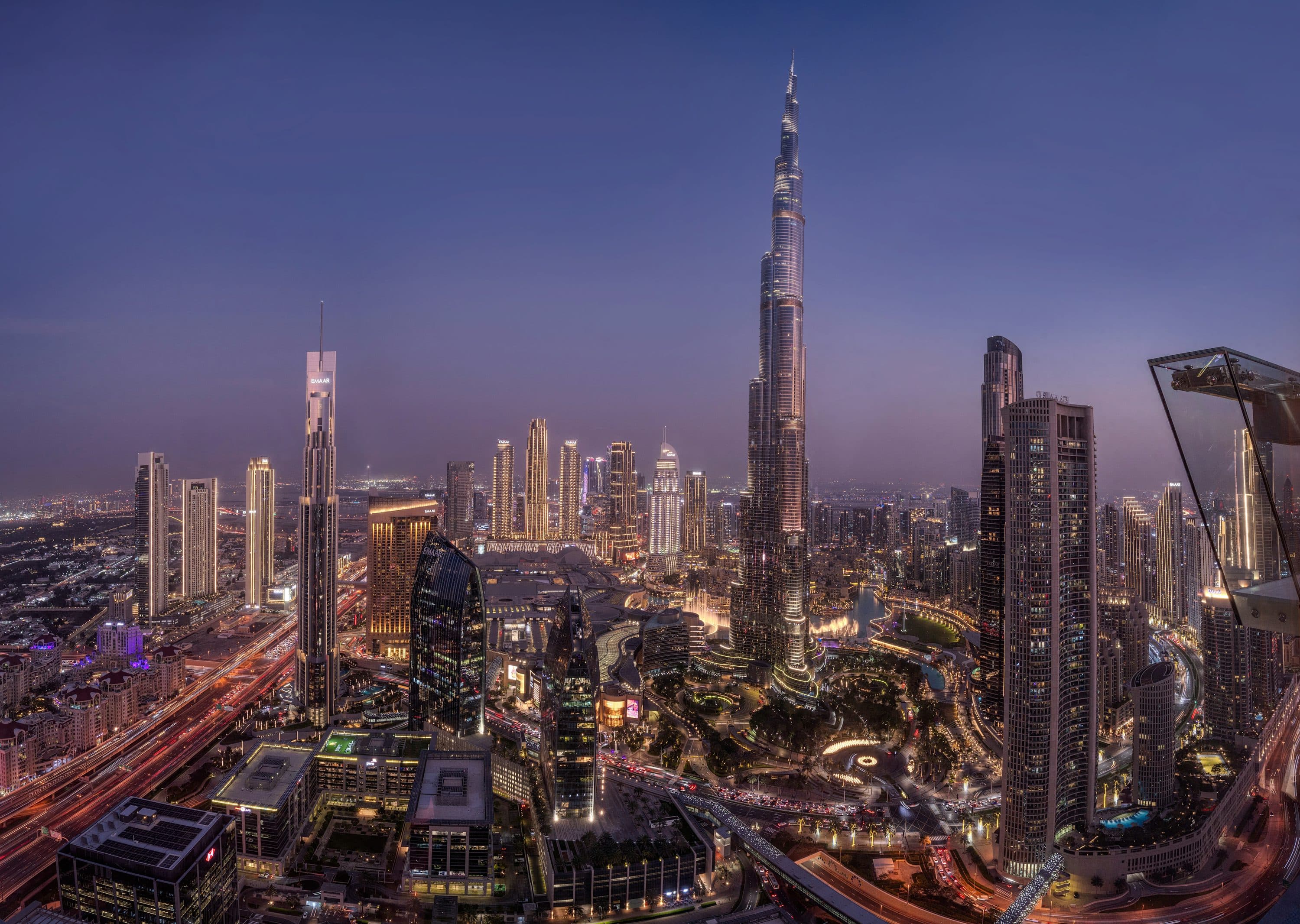
Every bearish case for Dubai real estate in 2026 rested on the same arithmetic: a record wave of completions would meet a thinning pool of buyers, and prices would break. The wave was supposed to land this year. It is landing late, and that single fact has done more to hold the market together than any policy, any golden visa, and any developer press release.
According to Cavendish Maxwell''s half-year Dubai residential review, 24,800 homes completed in the first half of 2026, up 38% on the same period of 2025. Another 47,000 units are scheduled for the second half. Based on historical delivery rates, the firm expects somewhere between 14,000 and 23,500 of them to actually hand over. That gap, roughly half the scheduled pipeline, is the story of the year.
Why the supply wave has not arrived
Construction slippage in Dubai is structural, not exceptional. Developers pre-sell off plan, book revenue against milestones, and publish completion dates that function as marketing instruments rather than engineering commitments. Add the regional conflict that disrupted logistics and labour through the first half of 2026, and roughly half of this year''s scheduled handovers moved into 2027.
The result is an accidental supply cap. The market that was supposed to be flooded is instead being fed in rations, and the 2027 pipeline has swollen to 162,500 units, with a further 128,200 scheduled for 2028. The correction was not cancelled. It was rescheduled, and it now has a date.
Will property prices drop in Dubai in 2026?
They already have, depending on which dataset you read. Cavendish Maxwell recorded sales prices down 2.6% quarter on quarter but still up 1.9% year on year. ValuStrat measured residential capital values down 4% in the second quarter and about 10% below their late-February peak. Both are correct. They measure different things.
The divergence is worth sitting with, because it is where the market''s real condition hides. ValuStrat''s second-quarter review shows monthly declines easing through the year: 6% in March, 2% in April, then 1% in May and again in June. Villas held up, rising 2% year on year to an average of Dh13 million, while apartments fell 3% to Dh1.79 million. A valuation index tracks the asset. A transaction index tracks what people chose to buy. When the two disagree, the composition of demand is changing.
| Indicator | Cavendish Maxwell (H1 2026) | ValuStrat (Q2 2026) |
|---|---|---|
| Method | Transacted prices | Valuation index |
| Price direction | -2.6% QoQ, +1.9% YoY | -4% QoQ, about -10% since late February |
| H1 completions | 24,800 units | About 20,000 units |
| Segment split | Dh50m-plus deals up 13% | Villas +2% YoY, apartments -3% YoY |
| Implied reading | Buyers trading up | Broad values resetting |
Free resource
When delivery dates slip, the brand carries the risk
Our brand platform guide covers how developers build positioning that survives a delayed handover, and what has to be decided before the first rendering is commissioned.
Download the guide →What actually corrected
Strip the headline numbers back and the correction is concentrated in one layer of the market: the people who never intended to own anything.
- Off-plan resales collapsed. Cavendish Maxwell counted 4,600 off-plan resale transactions in the first half, down 51% year on year. Primary off-plan sales, by contrast, fell only 1.5%. The buyer stayed. The flipper left.
- Listing prices were cut, hard. AGBI''s analysis of Dubai listing reductions, drawing on LuxuryPriceDrops.com and Prop-AI data, tracked Dh1.7 billion in combined cuts across more than 2,800 listings, with over 500 fresh reductions a week. One La Mer villa moved from Dh110 million to Dh85 million.
- Mortgage buyers grew. Mortgage transactions rose 7.2% to 22,500 in the half. Leverage from a bank implies an occupier or a long-hold investor, not a six-month trade.
- The top of the market got busier. Deals above Dh50 million rose 13% to 160 transactions.
- Rents outran prices. Residential rents were up 7.8% year on year even as sale prices softened, holding gross yields near 7% on apartments.
An off-plan resale is the sale of a contract, not a home: a buyer assigns a partially paid purchase agreement to another buyer before completion. It is the purest expression of speculative demand in the Gulf, and it is the line that fell by half.
Is Dubai property a bubble?
The bubble thesis assumes an ownership base too shallow to absorb a shock. The evidence now cuts against it. fäm Properties'' study of 1.1 million Dubai Land Department transactions across 16 years found that 740,219 properties, or 69.9% of primary purchases, were never resold at all. Of buyers who purchased in 2022, 61% still held three years later, against 42% of the 2014 cohort after eleven years.
Firas Al Msaddi, the firm''s chief executive, put it plainly: a buyer who purchased in Dubai in 2014 and still owns today is behaving like the median homeowner in New York or London. The comparison holds against the benchmarks. Average US holding periods run 11 to 12 years, and UK annual resale rates sit near 4%.
Dubai is not deflating. It is being re-based from a market where property was traded into one where property is owned, and construction delay is paying for the transition.
That does not make the market safe. Reuters reported early signs of weakness in March, with analysts'' bearish case putting average declines near 7% a year through 2028. Emaar chairman Mohamed Alabbar disclosed that customer requests to delay payments climbed from 800 to 850 a month in December to around 1,050 during the conflict, before easing to 720 to 750. Household stress is real and measurable. It simply has not produced forced selling at scale, because most owners are not carrying a trade they need to exit.
Who is buying, and what the delay costs
Volume never disappeared. Dubai recorded 79,300 residential transactions worth Dh221.4 billion in the first half of 2026, with off-plan still accounting for close to three quarters of all deals. The monthly path was rougher than the half-year total suggests: AGBI reported that March residential sales fell by nearly a fifth to Dh37 billion, the steepest monthly drop since the pandemic, with off-plan transactions down 14% year on year.
Underneath that, the income side held. Rents eased 2.5% between the first and second quarters but were still up 7.8% on the year, leaving gross yields near 7% on apartments and 5% on villas and townhouses. In a market where capital values are flat to falling, a 7% gross yield is what keeps an owner from becoming a seller. That is the mechanical reason the listing cuts tracked by AGBI have not turned into a broad price capitulation.
The delay is not free, though, and it lands hardest on cash flow. Off-plan payment plans in Dubai are tied to construction milestones, so a handover that slips a year defers the developer''s final collections while stretching the buyer''s exposure to an asset they cannot yet occupy or let. Ajay Rajendran of Meraki Developers reads the current behaviour as buyers targeting higher value inventory rather than stepping away. Ronan Arthur of Cavendish Maxwell frames the same data as a market transitioning into a new cycle. Both readings are compatible with a slower, heavier 2027.
What this means for developers
When half of a scheduled pipeline slips by a year, the competitive variable stops being the rendering and becomes the handover record. Buyers in a delayed market start underwriting the developer before they underwrite the unit. That is a brand problem long before it is a construction problem, and it is measured in exactly one currency: what you promised, and when it was delivered.
For anyone selling into this cycle, three implications follow. Completion history belongs in the sales narrative, not the appendix. Payment plans need to price delay honestly instead of burying it. And a project positioned purely on scarcity will struggle in 2027, when 162,500 units arrive to contradict it. Developers building for that year should be working on brand positioning for property developers now, while the delay still buys them room.
The wider real estate market reading is simple enough. Dubai did not dodge its correction in 2026. It took the correction where it was healthiest, in the speculative layer, and postponed the harder one. 2027 is when the arithmetic gets checked.
Frequently asked questions
Will the Dubai property bubble burst?
The classic bubble mechanism requires leveraged short-term holders forced to sell. Dubai''s off-plan resale volumes have already halved, and nearly 70% of primary purchases across 16 years were never resold. A deeper price reset in 2027 is plausible as delayed supply lands, but a disorderly unwind is harder to argue against that ownership profile.
Are property prices in Dubai expected to fall?
Most forecasts point to continued softening rather than collapse. ValuStrat recorded declines easing to about 1% a month by June 2026, while analysts cited by Reuters modelled a bearish case near 7% annually through 2028. The 2027 handover volume is the single largest variable in either direction.
Is it still worth buying property in Dubai?
The economics have shifted from capital gain to income. Gross yields near 7% on apartments and rents up 7.8% year on year favour buyers holding for cash flow. The short-hold, resale-before-completion strategy that defined the last cycle is the trade that has stopped working.
What is the forecast for Dubai real estate over the next five years?
The pipeline sets the frame: 162,500 units scheduled for 2027 and 128,200 for 2028, against historical delivery rates that suggest a large share will slip again. Sustained absorption depends on population growth and on the market completing its shift from trading to ownership.
Next step
In a delayed market, positioning is what carries a project between renderings and keys.
Talk to TBO →Cover image: Unsplash
You may also like
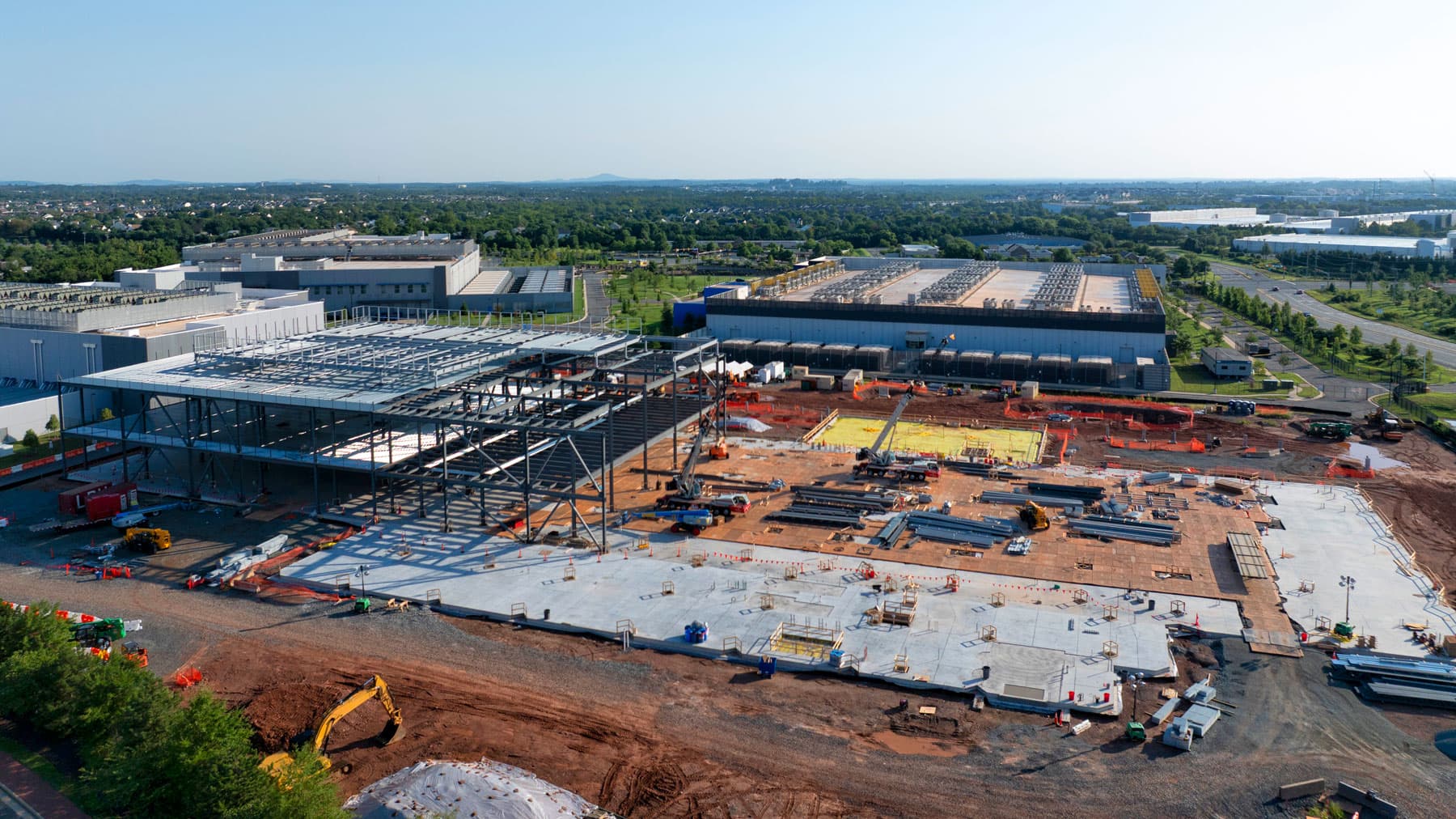
Data centers are outbidding home builders for land
Data centers are outbidding home builders at up to 50x the county land median. What that does to housing supply, and what residential developers can still control.
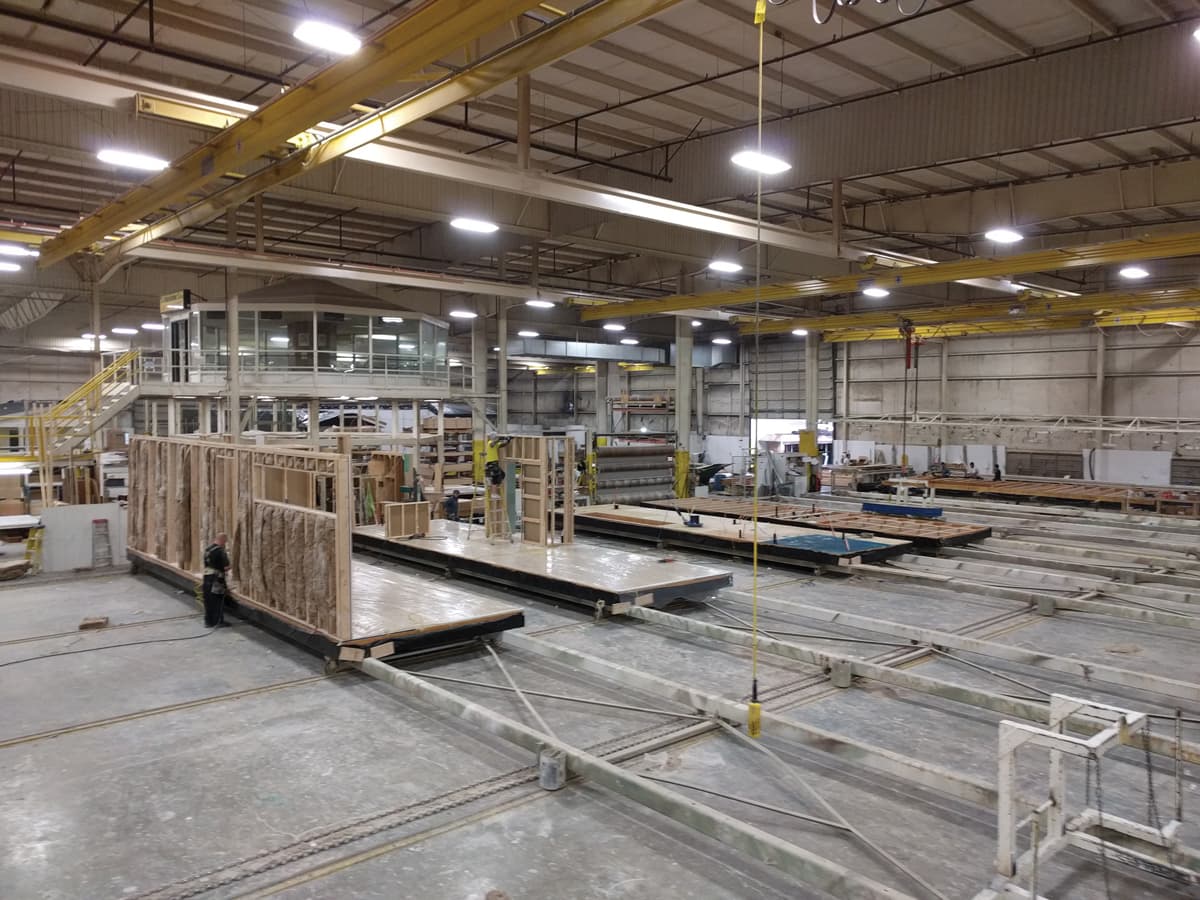
ROAD to Housing Act: the chassis rule matters most
The 21st Century ROAD to Housing Act carries 56 provisions. The one that changes a real cost is a chassis rule, not zoning reform.
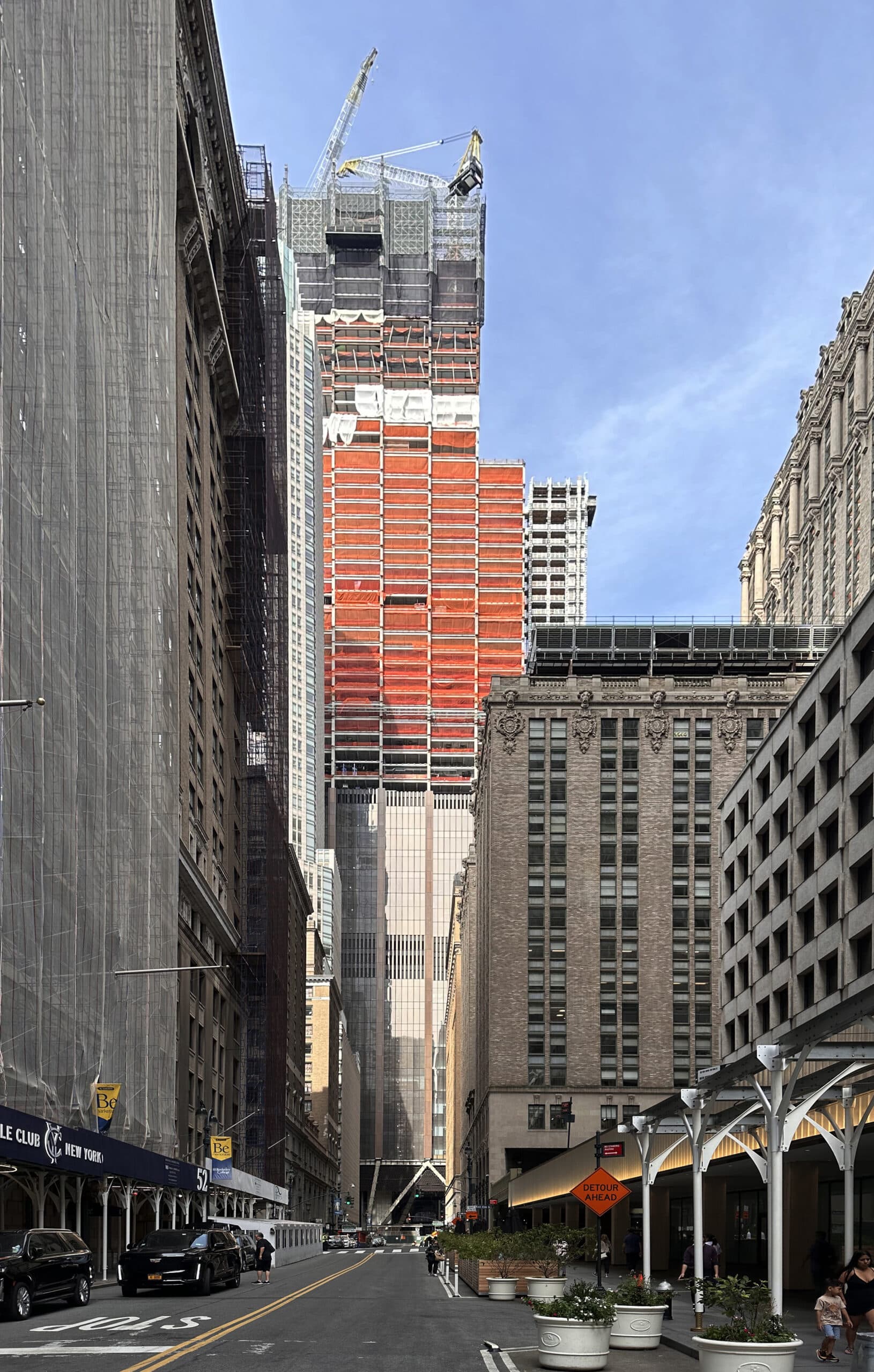
Office-to-residential conversion: the steel problem
Office-to-residential conversion was the rare housing consensus. Then columns buckled at 235 East 42nd Street and three New York sites went quiet.