
DubaiFeatured
Dubai real estate 2026: the crash moved to 2027
Dubai's 2026 handover wave slipped into 2027. What corrected was the resale layer, not the market, and the real test now has a date.
Luxury and prime real estate is the top tier of a residential market, prime being roughly the top 5% by value and super-prime the transactions above US$10 million, where price is set by wealth concentration, scarcity and brand rather than by mortgage rates.
TBO's luxury and prime real estate coverage tracks the top of the residential market city by city: Dubai, Miami, Manhattan, London, the Hamptons, Aspen and San Francisco, and the buyers moving between them. Every reading is anchored in dated, named sources, the Knight Frank Wealth Report and its PIRI 100 index, Savills Research, Miller Samuel and Douglas Elliman market reports, Olshan Realty's weekly luxury contracts, Corcoran, Coldwell Banker Global Luxury, Redfin and Cavendish Maxwell, rather than in sentiment about where the wealthy are going next.
One argument runs through all of it: the top of the market has detached from the market below it, though the detachment looks different in each one. Prices set by wealth and scarcity, a record share of buyers paying entirely in cash, supply that cannot be replaced. This page gathers those readings, newest first. For anyone taking a development to an international buyer, it is the evidence base for what that buyer is actually comparing you against.
Updated Aug 05, 2026 · 25 articles
Dubai's 2026 handover wave slipped into 2027. What corrected was the resale layer, not the market, and the real test now has a date.
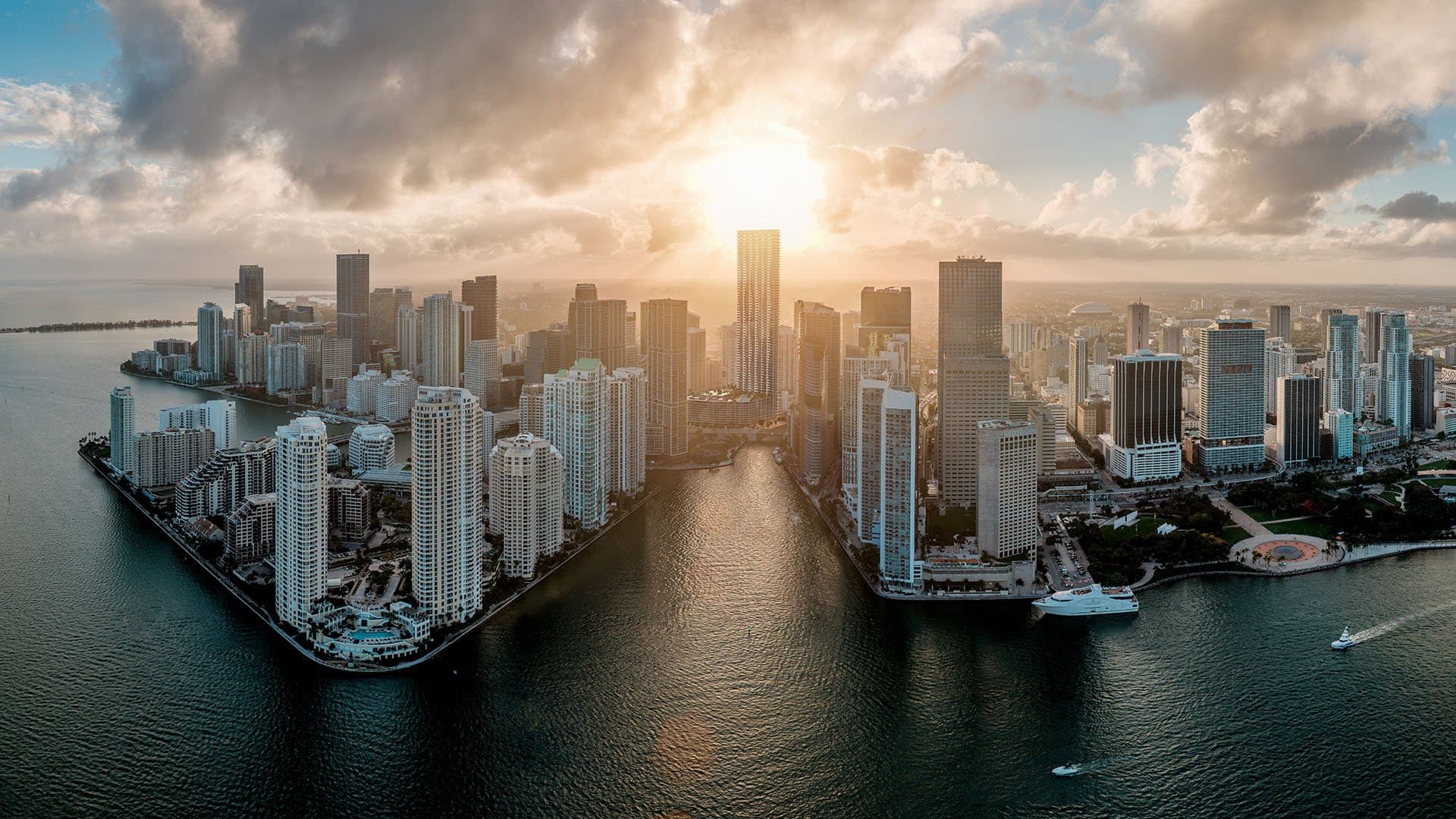
The Miami real estate market in 2026 is two markets: ultra-luxury tops New York on wealth flight while condos carry the world's top bubble risk.
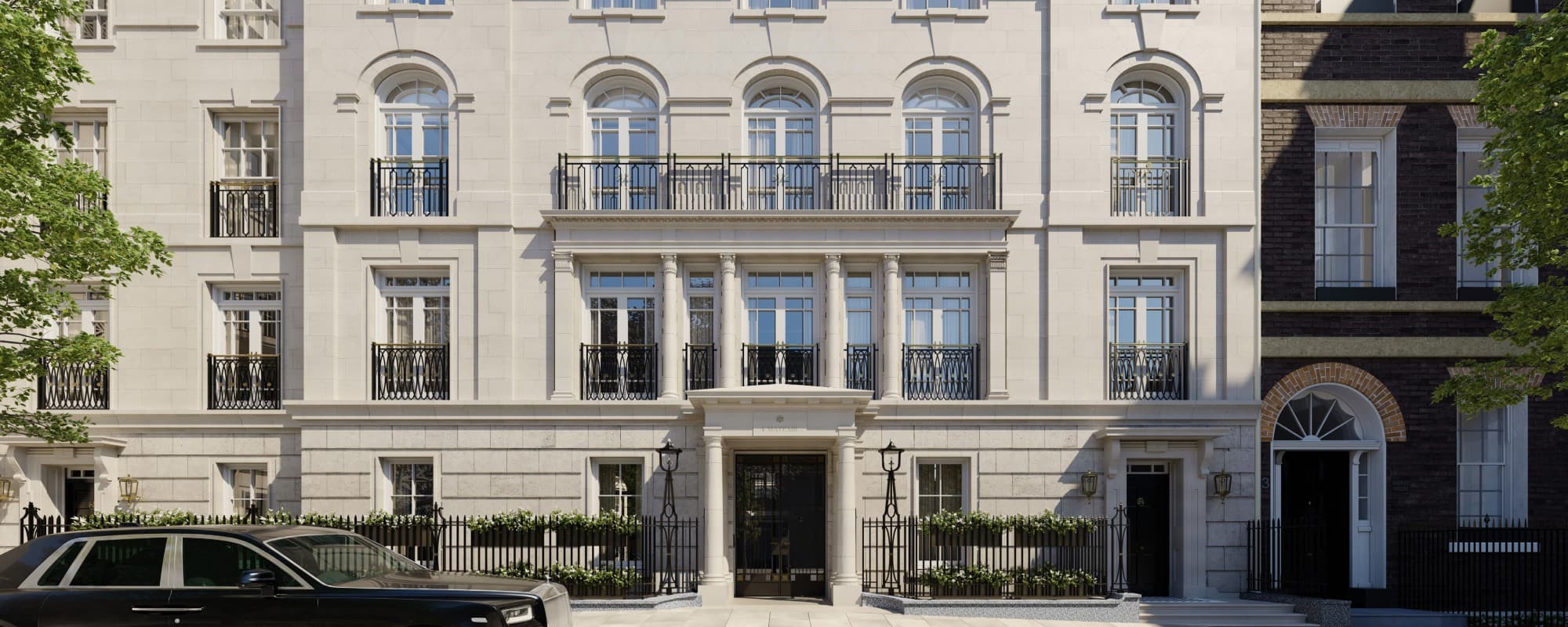
London prime property in 2026: the index fell 4.9% while £15m-plus sales hit £1.24bn. The residents left and the buyers arrived. What the split means.

Dubai luxury real estate hit a record $5.1bn in $10M+ sales in H1 2026, even as supply surges. Why the prime market decoupled from the rest.
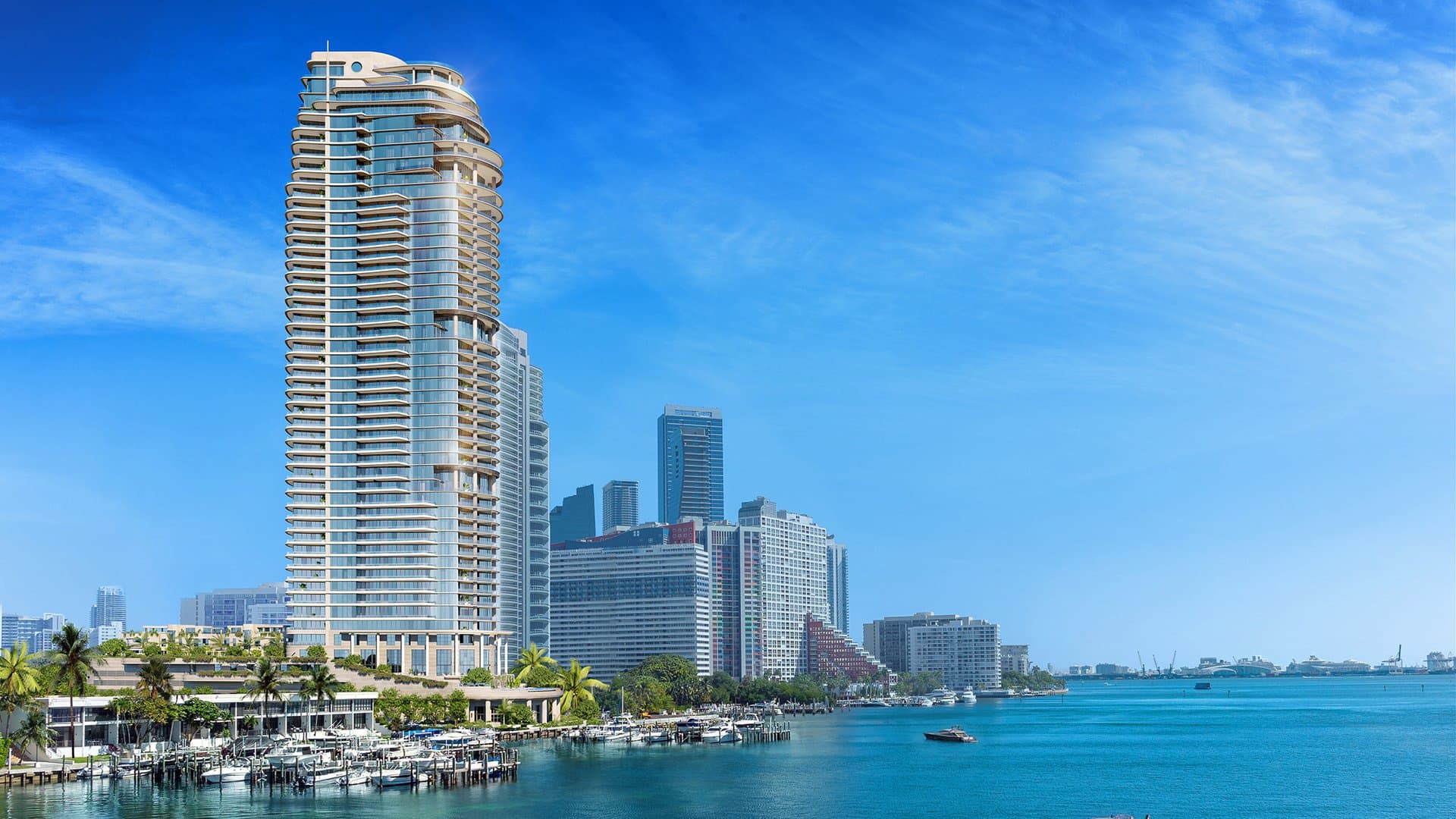
Foreign buyers spent $56B on US homes as capital flight, not shelter, drives the 2026 luxury market. What developers and brands need to know.
Quiet luxury is not fading in 2026 — it is becoming the brand language of super-prime real estate. Why restraint now sells the larger home.
US luxury real estate in 2026 is not booming or busting. It is splitting. Why the exceptional clears, the ordinary stalls, and brand decides.
Prime real estate in 2026 is splitting: Tokyo and Dubai surge while US luxury cools. Where the wealthy are buying, and why the map just redrew itself.
US luxury home prices hit a record $1.39M as a record share of buyers pay cash. Why the top tier is breaking away from the broader market.
Manhattan luxury real estate is roaring back in 2026, $10M+ contracts up 80% even as NYC passes a pied-à-terre tax. Why trophy demand is policy-proof.
Miami luxury real estate hit records in 2026 as finance giants fled north. See how Wall Street South reset prices, demand, and the global map.
Hamptons luxury real estate set records in 2026 as inventory vanished, but the $120M trophy sold for $72M. Inside the market's great split.
Prime London transactions fell 32.6% in Q1 2026 as UK non-doms relocated to Dubai, Milan and Monaco. Yet 841 deals are under offer, a decade high.
Dubai closed ~500 super-prime deals above $10M in 2025, $9.05B in volume, triple London's tally. New York closed 326. The hierarchy has a new top.
Aspen sales fell 50% YoY in March 2026 despite 40% inventory squeeze. Scarcity protects price, not volume, and luxury just got the proof.
The 2026 Coldwell Banker Trend Report shows US luxury buyers favoring big footprints over minimalist boxes.
Manhattan's $10M+ contracts surged 80% in May 2026 as Mayor Mamdani's pied-à-terre tax advanced. The ultra-luxury market just decoupled from policy.
Only 81 new luxury units launched in Manhattan in Q1 2026, 75% below the decade average. The pipeline is broken while the pricing holds firm.
Knight Frank's 2026 data shows top UHNWIs spend under 90 days per home. Developers betting on full-time owners are designing for the wrong buyer.
Miami-Dade's top 1% threshold jumped from $10.4M to $13.6M in twelve months. The ultra-luxury tier has stopped sharing a market with luxury.
San Francisco's median home hit $2.15M and $20M+ sales broke records in 2026. AI wealth is rewriting the rules of US luxury real estate.
Hamptons Q1 2026 sales surged 86% while Palm Beach overheats. Where UHNW capital is quietly repositioning, and what developers should learn from it.
1 in 5 US luxury buyers now plan multi-generational living. Compound assemblage is rewriting the rules of high-end residential design.
Manhattan ultra-luxury sales rose 30% YoY to $7.5B in Q1 2026 while the broader market softened. Two markets sharing one zip code.
London's super-prime rentals jumped 58% in 2025 as UHNWIs traded ownership for flexibility. Here is what this means for US developers.
Prime real estate is the top 5% of a residential market by value; super-prime is the tier transacting above US$10 million. Knight Frank and Savills both use that US$10 million threshold in their global indices, because above it the buyer is almost always an ultra-high-net-worth individual, defined as someone holding US$30 million or more in investable assets. The distinction matters because the two tiers no longer move together.
Because the buyer is not borrowing. Redfin's April 2026 report put the median US luxury sale at a record $1.39 million, up 3.6% year over year, with a record share of high-end buyers paying entirely in cash, which takes interest rates out of the decision. Demand at that level tracks wealth concentration and the scarcity of irreplaceable addresses, not the cost of a loan.
Tokyo led the world at 58.5%, followed by Dubai at 25.1% and Manila at 17.5%, according to the Knight Frank Wealth Report 2026. By region, the Middle East grew 9.4% and Latin America and the Caribbean 4.7%, while North America was the only region to decline, at 0.9%. The global average across the PIRI 100 was 3.2%.
The two tiers were bought for different reasons. The UK abolished the non-domiciled tax regime in April 2025 and roughly 2,000 wealthy residents left, hitting the mid-market that needed London tax residency; Knight Frank recorded prime central prices down 4.9% in the year to February 2026. Above £15 million, where buyers are mostly non-resident, Beauchamp Estates counted £1.24 billion of sales in the first half of 2026, up from £694.1 million.
It protects price, not volume. Aspen entered 2026 with inventory around 40% below pre-pandemic levels and still saw March closings fall roughly 50% year over year, from 24 to 12, in the Aspen Times report compiled by Tim Estin. Sellers held their asking prices and buyers deferred. In the same quarter the Hamptons, on comparably tight supply, posted an 86% jump in luxury sales.
TBO has delivered more than 170 real estate launches since 2019, working remotely with developers outside Brazil. The capabilities page sets out the disciplines, the two engagement models and the time zone overlap for each region.
See capabilities