Branded ResidencesFeatured
Serviced Apartments: The Forecast That Doesn't Add Up
Research houses disagree four-fold on what serviced apartments are worth in 2026. The operating numbers tell a steadier and less flattering story.
A branded residence is a private home sold under the name of a hotel, fashion, automotive or design brand, which licenses its name, design standards and often its service operations to the developer in exchange for a fee.
TBO's branded residences coverage tracks the model rather than the launches: where the price premium holds and where it thins, how fast the pipeline is growing and into which markets, and who is entering the category now that hotel operators are no longer alone in it. The figures come from named research, the Savills Branded Residences Report 2025/2026, the Knight Frank Wealth Report 2026, C9 Hotelworks' Asia Branded Residences Market Review 2026, ArentFox Schiff and CBRE, and every article is dated.
A developer reading this page is usually deciding one of three things: license a name, build one, or do neither. These articles argue that decision with numbers instead of taste, and they keep arriving at the same conclusion, that the premium tracks operational difficulty rather than logo recognition. The brand, naming, film and visualization work behind that conclusion is set out in TBO's capabilities.
Updated Sep 17, 2026 · 7 articles
Research houses disagree four-fold on what serviced apartments are worth in 2026. The operating numbers tell a steadier and less flattering story.
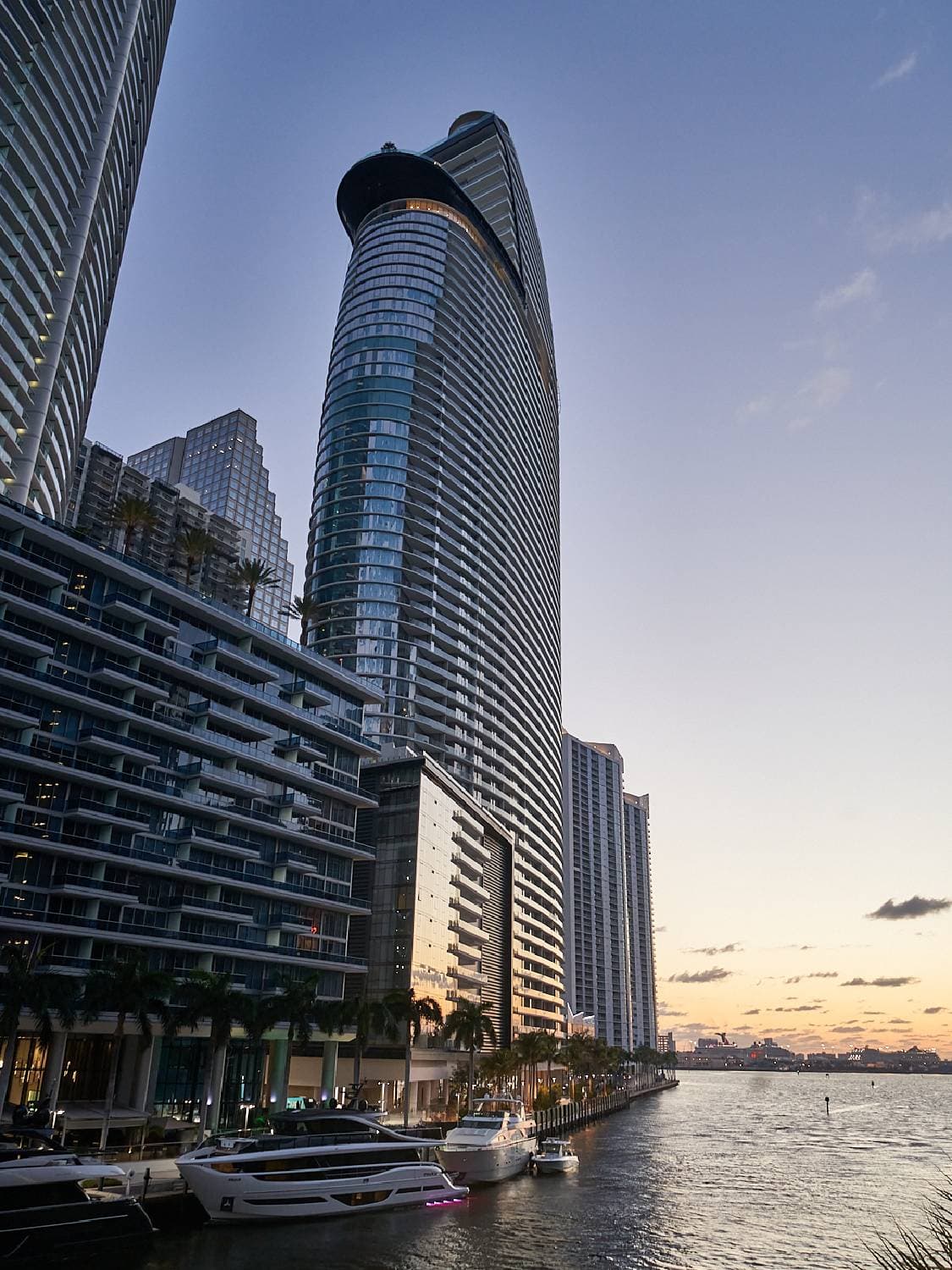
Branded residences grew from 323 schemes in 2015 to 910 in 2025. Growth is now midscale and rental. Does the 33% price premium survive that scale?
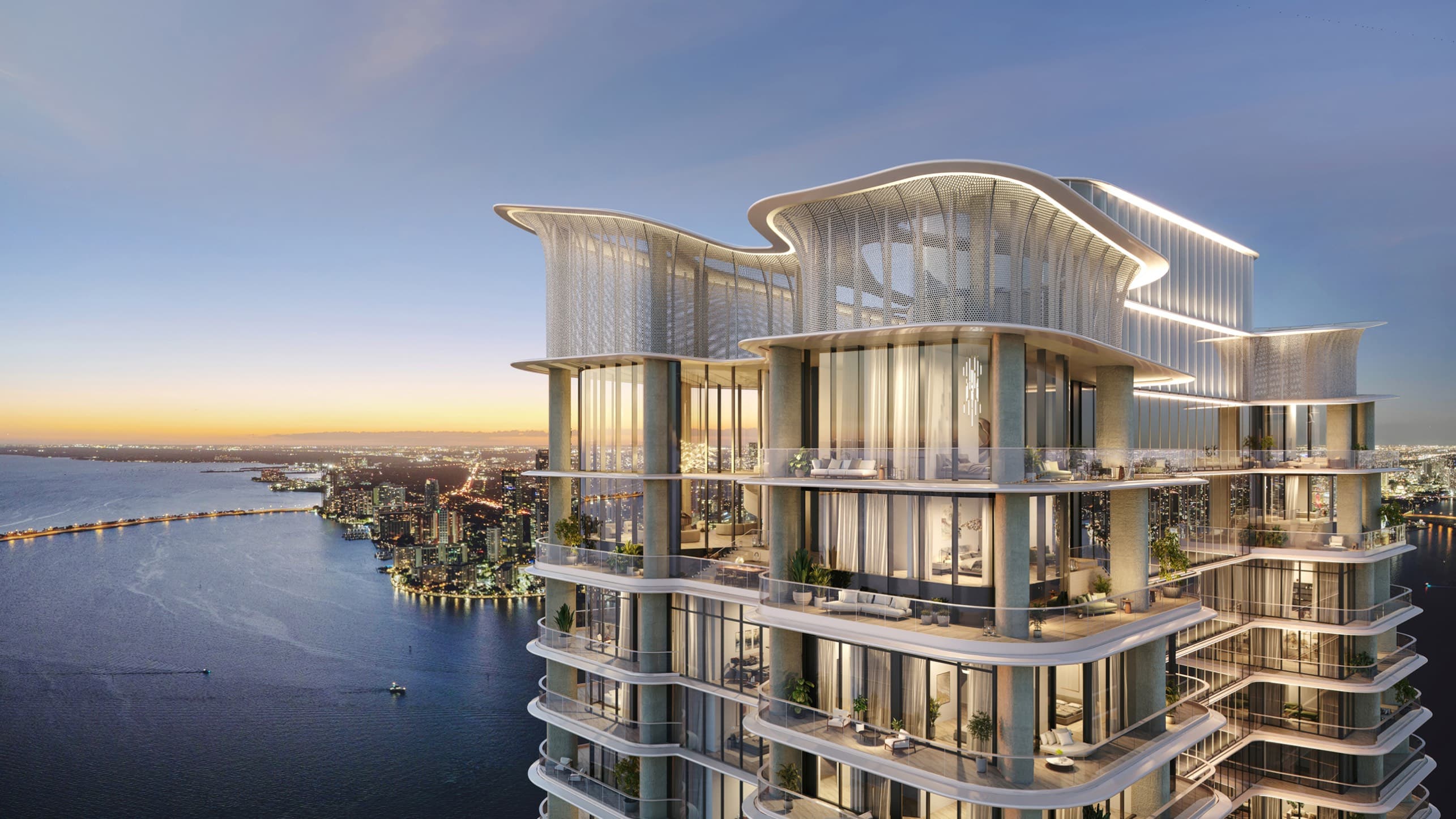
Branded residences will reach 910 schemes in 2025 and 1,747 by 2032. What the brand actually adds to a home — and where developers get it wrong.
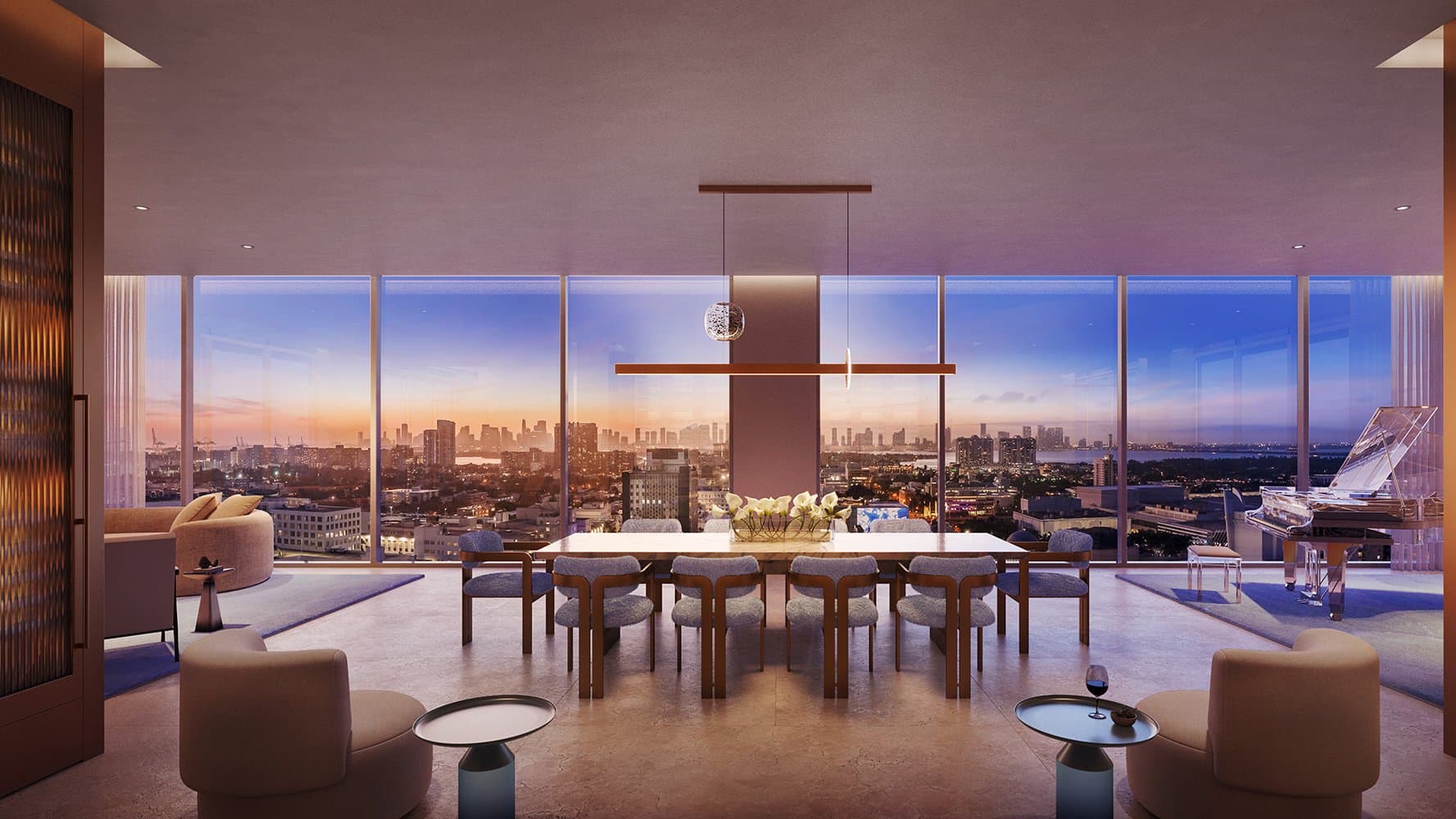
Branded residences are set to nearly double to 1,747 schemes by 2032, with a 33% price premium. Inside luxury real estate's fastest land grab.
Branded residences hit 910 schemes in 2025, up 19% YoY. Why developers pay to put a hotel name on the door, and what the 33% premium really buys.
Branded residences reached 910 schemes worldwide in 2025, up 19%, with a 33% price uplift. Inside the 2026 luxury real estate supercycle.
UHNWIs grew by 89 per day for five years. They now pay 33% extra for move-in-ready luxury, and refuse to wait for renovation.
A branded residence is a home sold under the name of a hotel, fashion, automotive or design brand, which licenses its name, design standards and often its service operations to the developer for a fee. The buyer acquires the property and the operating promise together, and pays a premium over a comparable unbranded unit. Savills counted 910 such schemes worldwide at the end of 2025.
Savills puts the global average premium at 33% over comparable non-branded homes, rising to about 39% in resort locations against 30% in urban ones. The figure is highly local: roughly 20% in established cities and above 50% in emerging markets. In Miami, branded units trade at 30% to 65% more per square foot than comparable Class A condos, with the Four Seasons Surf Club at +72%.
Historically yes in mature markets, with caveats. Branded residences delivered roughly 65% capital appreciation over the five years to 2026 and transact around 25% faster than comparable non-branded stock. The risks are contractual rather than cyclical: management agreements can expire before ownership does, service charges run materially higher, and ArentFox Schiff flags the financing difficulty of co-located schemes where the hotel must stay viable.
Dubai leads globally with 64 completed projects and 87 more planned, followed by Miami with 48 completed and 55 planned, and New York in third place. São Paulo, London, Cairo, Istanbul, Bangkok and Phuket complete the leaderboard. Savills projects that by 2032 no single region will hold more than a quarter of global supply, which is the signature of genuine globalisation rather than a localised bubble.
The global average has held near a third, but the composition beneath it is shifting downward. The midscale segment grew 24% in 2024, per ArentFox Schiff, and the two largest hotel groups are extending their names into rentals: Marriott with W, and Hilton through a Placemakr partnership adding up to 3,000 apartment units. As a brand appears at more price points, the blended premium is likely to compress.
TBO has delivered more than 170 real estate launches since 2019, working remotely with developers outside Brazil. The capabilities page sets out the disciplines, the two engagement models and the time zone overlap for each region.
See capabilities