Branded residences 2026: the global luxury land grab
Branded residences are set to nearly double to 1,747 schemes by 2032, with a 33% price premium. Inside luxury real estate's fastest land grab.
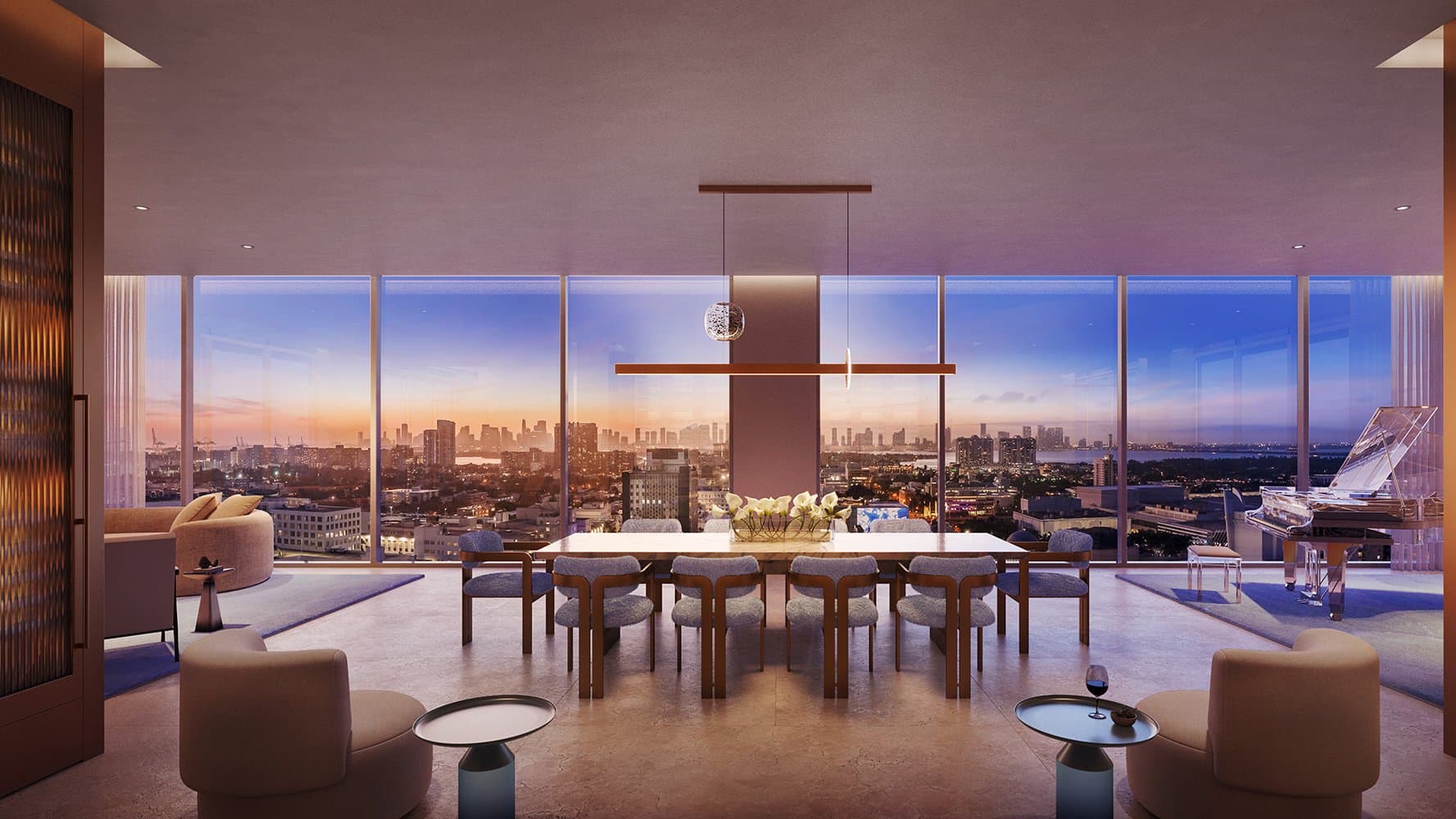
The fastest-growing product in luxury real estate is not a building, it is a name on a building. Branded residences, the homes that license a hotel, fashion or design marque, are multiplying across the world map at a pace the rest of the property market can only envy. The global count is set to climb from 764 schemes at the end of 2024 to roughly 910 by the close of 2025, a 19% jump in a single year, according to the Savills Branded Residences Report 2025/26. With 837 more projects already contracted, the world will hold an estimated 1,747 branded residences by 2032, nearly double in under a decade.
Behind the growth sits a number that explains the entire stampede: the brand on the door commands a price the unbranded unit next to it cannot.
A branded residence is a home developed in partnership with a consumer brand, most often a luxury hotel operator, that lends its name, design standards and service to the property in exchange for a fee, and lifts its price and resale liquidity in return.
The premium that powers the boom
According to the Savills Branded Residences Report 2025/26, branded homes carry a global average price premium of 33% over comparable non-branded stock, rising to 39% in resort locations. That spread is the engine: it turns a brand licensing deal into one of the highest-margin moves a developer can make, and it is why hotel groups are racing to convert their names into real estate.
The scale leaders are the hospitality giants. Marriott and Accor each anchor multi-brand portfolios exceeding 35 brands, while Four Seasons remains the most influential single-brand operator, followed closely by Mandarin Oriental and Aman in the ultra-luxury tier, as Hospitality Investor reports on the investment thesis. The category is also broadening fast: during 2025, 25 countries welcomed their first branded residential project, alongside 39 new hotel brands and 19 non-hotel brands entering the space.
Why are branded residences spreading so fast?
The short answer: they de-risk luxury development on both sides of the deal. For the developer, a recognized brand brings instant trust, a built-in buyer pipeline and a measurable price premium. For the brand, residences are a capital-light way to monetize equity it already owns. For the buyer, increasingly a global, mobile, ultra-high-net-worth purchaser, the name signals service, design and resale liquidity in a single decision.
This is why the trend reaches far beyond New York or Dubai. As Travel Daily News notes on the report's pipeline data, the expansion is now a genuinely global phenomenon, with first-time markets driving a meaningful share of new supply. Brazil's Santa Catarina coast, where the Italian studio Pininfarina concentrates its residential portfolio, is one vivid example of the same logic playing out outside the traditional capitals.
In luxury real estate, the brand has stopped being decoration and become the asset. A 33% premium is not what buyers pay for a logo, it is what they pay for the certainty the logo represents.
What developers should take from the data
The branded boom carries a lesson even for projects that will never license a hotel name:
- The premium is brand-driven, not just amenity-driven. Buyers pay for trust and identity as much as for the spa and the lobby.
- A brand is a system, not a logo. The premium holds only when service, design and narrative deliver on the name's promise.
- You can build brand equity without licensing one. A disciplined proprietary brand can capture much of the same trust premium at a fraction of the fee.
- Resale liquidity is part of the product. The branded premium persists partly because the name travels into the secondary market.
Free resource
The brand platform guide for premium developments
Whether you license a brand or build your own, the premium starts with positioning. The framework we use to give a development the identity that commands a price premium.
Download the guide →Are branded residences a good investment?
In practical terms, often yes, with caveats. The data shows a durable price premium (33% on average, 39% at resorts) and stronger resale liquidity, driven by brand trust and managed service. The risks are the licensing and service fees that come with the name, and the chance that a poorly executed brand fails to deliver the experience buyers paid for. The premium is real, but it is earned by execution, not granted by the logo.
For the brand-building principles beneath the trend, see the real estate branding hub and our complete guide to real estate branding.
Frequently asked questions
How much more do branded residences cost?
The Savills Branded Residences Report 2025/26 puts the global average premium at 33% over comparable non-branded homes, climbing to 39% in resort destinations. The premium reflects brand trust, managed service, design standards and stronger resale liquidity, not merely the prestige of the name on the building.
What is the difference between branded residences and serviced apartments?
A branded residence is a home you own that carries a consumer brand's name, design and service standards, often with hotel-style amenities. A serviced apartment is typically rented, not owned, and oriented to short or medium stays. The branded residence is a luxury ownership product; the serviced apartment is a hospitality rental.
Which brands dominate the branded residences market?
By scale, Marriott and Accor lead with multi-brand portfolios exceeding 35 brands each. Among single brands, Four Seasons is the most influential, followed by Mandarin Oriental and Aman in the ultra-luxury segment. The field is widening quickly, with dozens of new hotel and non-hotel brands entering the space in 2025 alone.
Next step
The 33% premium proves it: in luxury real estate, the brand is the asset. Building that brand, licensed or your own, is exactly the work TBO does for developers.
Talk to TBO →Cover image: MILLION Luxury
You may also like
Branded residences 2026: why the brand is the asset
Branded residences hit 910 schemes in 2025, up 19% YoY. Why developers pay to put a hotel name on the door, and what the 33% premium really buys.
Branded residences hit 910 schemes in the 2026 supercycle
Branded residences reached 910 schemes worldwide in 2025, up 19%, with a 33% price uplift. Inside the 2026 luxury real estate supercycle.
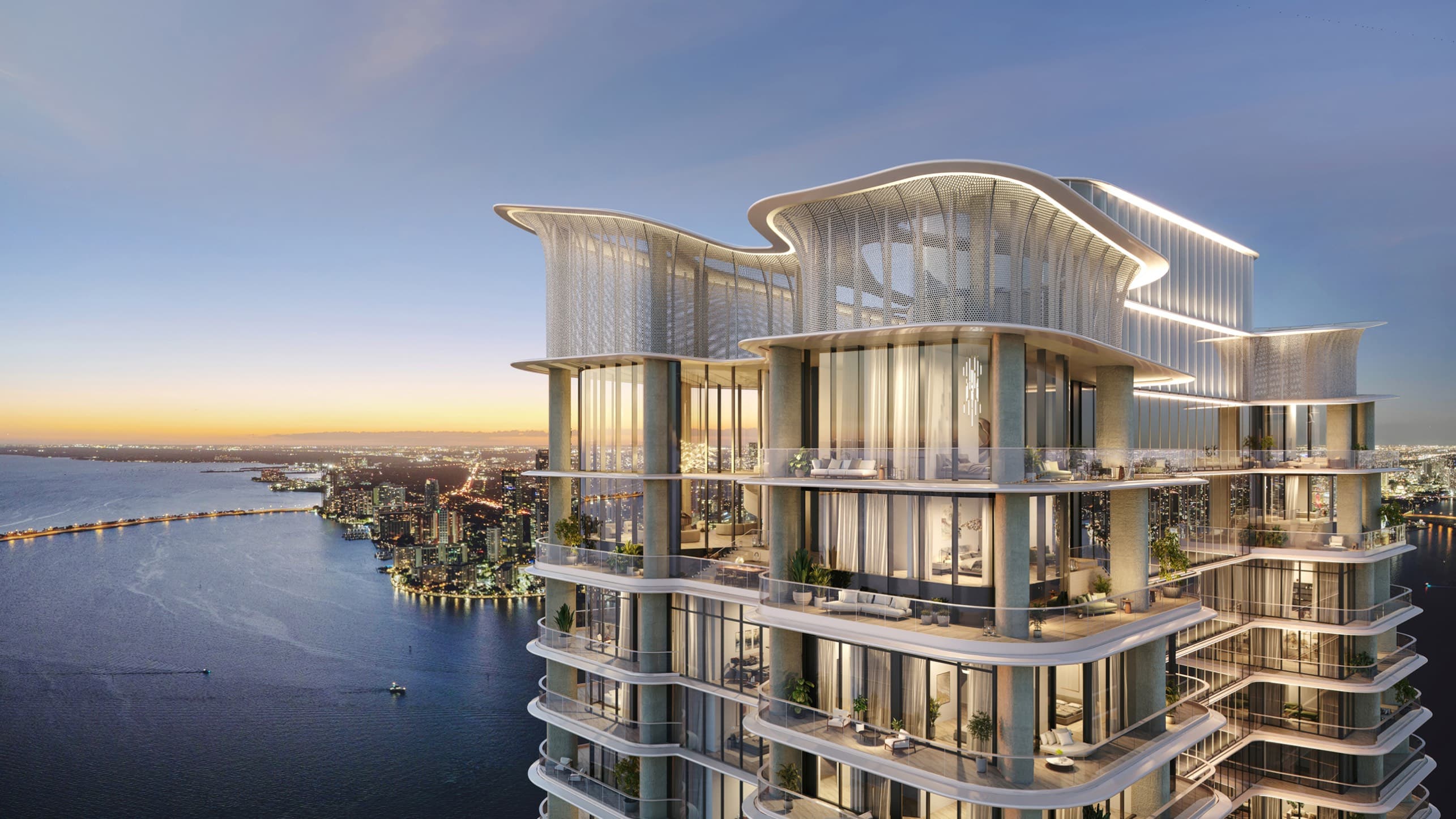
Branded residences in 2026: the price of a name
Branded residences will reach 910 schemes in 2025 and 1,747 by 2032. What the brand actually adds to a home — and where developers get it wrong.