Real estate branding: the complete guide
What real estate branding is, components, process, timelines, cost and return, with real TBO cases. The guide for development brands that sell.

Real estate branding is the process of building a brand for a development (positioning, naming, visual identity, and narrative) to generate perceived value and sales velocity before construction begins. Unlike corporate branding, the brand of a new development is born with a single mission and a fixed deadline: selling out the project's VGV (the Brazilian metric for a project's total sellable value) in the shortest possible cycle.
That short definition carries a practical consequence much of the market still ignores. If the brand exists to accelerate sales and sustain pricing, it is a feasibility decision, not an aesthetic step that happens after the product is ready. TBO has worked on more than 170 launches since 2018 and created more than 100 development brands, totaling more than R$ 500 million in marketed VGV across 8 Brazilian states. This guide organizes what that track record teaches: what real estate branding actually is, what it costs, how long it takes, where launches go wrong, and how to measure whether the brand is paying for itself.
For ongoing analysis on the topic, the starting point is the real estate branding hub on our blog.
What real estate branding is, and what it is not
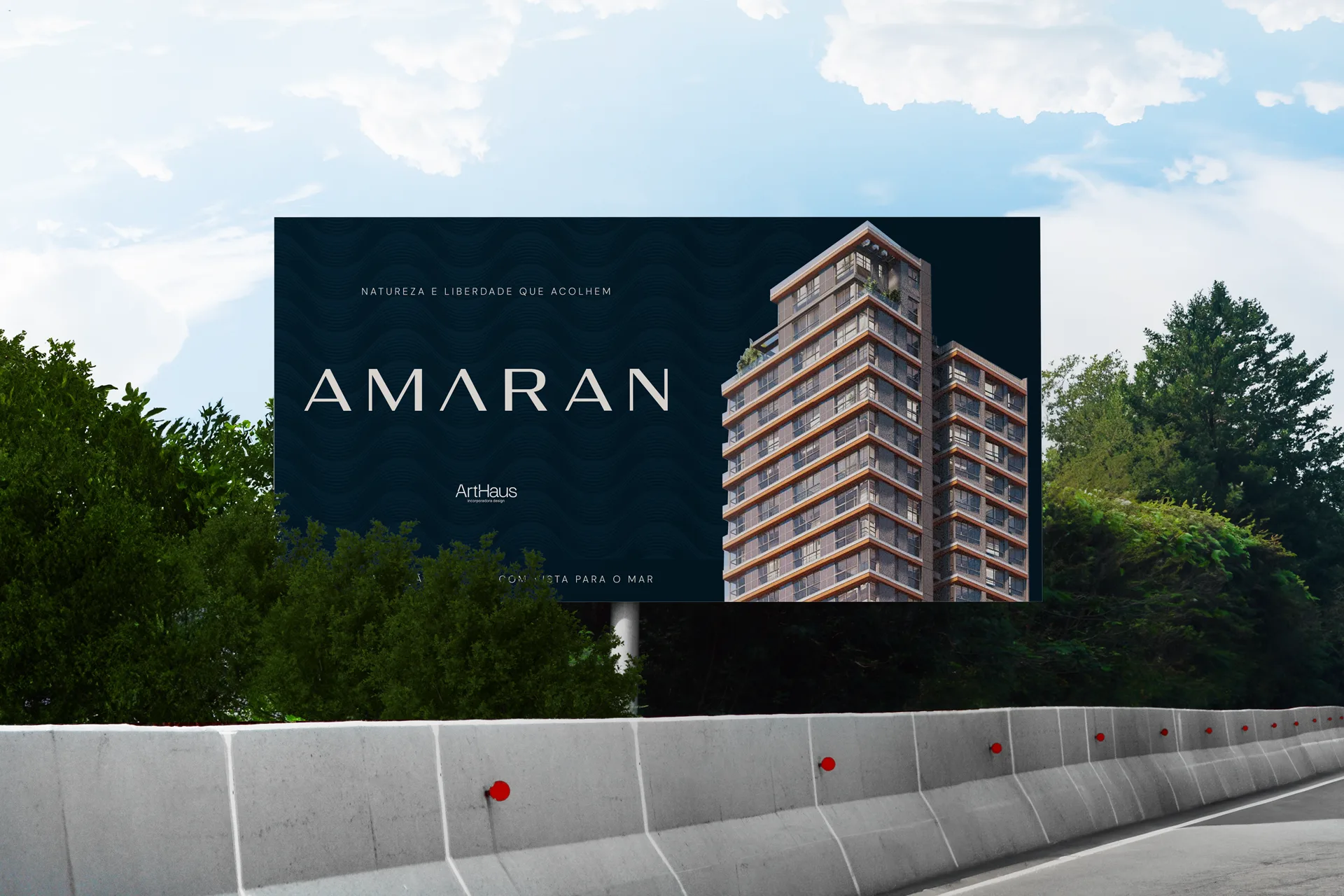
Two types of brand coexist in the real estate market, and confusing them produces bad briefs. The first is the developer's brand: institutional, long-cycle, built to generate trust among buyers purchasing a property that does not yet exist. The second is the development's brand: a product brand, created for a single launch, with a mapped audience, identified direct competitors, and a set date to enter and exit the market. This guide deals mainly with the second, though the principles overlap, as shown by the institutional work we did for Construtora Pessoa.
What real estate branding is:
- The positioning decision that defines what the product competes against and why it is worth its asking price.
- The name, visual identity, and narrative that translate that decision into something a broker can sell and a buyer can remember.
- The system of applications, sales book, construction hoarding, sales center, digital, that keeps that translation consistent across every touchpoint.
What real estate branding is not:
- A logo approved by the partners in a board meeting.
- Visual identity in isolation. Logo, palette, and typography are part of branding, not branding itself. The strategy guiding those choices, positioning, tone of voice, narrative, is what separates a brand from a brand file.
- The launch campaign. The campaign consumes the brand; those who confuse the two end up with beautiful creative supporting a product with no thesis.
The distinction matters because the industry's most expensive mistake is born from it: commissioning "a logo" when the problem is positioning. The right logo for the wrong thesis is still the wrong thesis.
Why the brand drives sales velocity and price per square meter
The math of a launch is unforgiving with undifferentiated product. When two developments compete in the same neighborhood with similar floor plans and equivalent amenities, the comparison comes down to the only variable left: price per square meter. A product without a story competes on square meters. A product with a brand competes on identification, and identification does not show up in a broker's comparison spreadsheet.
That translates into three concrete mechanisms:
1. Price anchoring. Perceived value forms before the visit to the sales center: in the ad, on the construction hoarding, on the development's Instagram profile. When the identity is strong and consistent, the asking price makes sense before any sales argument. When it is generic, every real above the neighborhood average has to be defended unit by unit, and the defense usually ends in a discount.
2. Sales velocity (VSO, sales over supply). The financial cost of a launch runs by the month, not by the unit. Every point of sales velocity gained early reduces cash exposure, improves the construction funding terms, and frees the developer to move on to the next site. The brand operates at the very top of that funnel: it pre-qualifies the audience before the sales center opens. Well-built hoarding, teasers, and pre-launch activations bring buyers to the sales conversation already sold on the concept, leaving the broker to close on floor plan and terms.
3. Acquisition cost. A strong brand cuts cost per lead in two ways: it improves click-through and conversion rates on paid media (the creative works on top of a visual universe that holds together) and it generates organic demand that media spend cannot explain: direct searches for the name, referrals, neighborhood word of mouth. In the Axis case, detailed below, a single brand activation aimed at the surrounding community brought in high-quality organic leads with zero media investment.
The counterpoint is also true: no brand saves the wrong product. Branding does not fix a bad floor plan, a poorly purchased site, or pricing detached from reality. What it does is ensure that a well-conceived product is perceived at its true value instead of falling into the commodity pit of square-meter comparison.
The components of a development brand
A complete launch brand has six layers. The order matters: each one depends on the previous.
Positioning
It is the product thesis in one sentence: who it is for, what it competes against, why it is worth more. It comes from diagnosis, direct competitive analysis within the site's radius, demand profile, the address's potential, not from aesthetic references. At TBO, strategy comes before design: positioning, audience, and market are defined before the first pixel. When this step is skipped, the symptom shows up months later: the sales team cannot answer "why this one and not the one next door?" without talking about price.
Naming
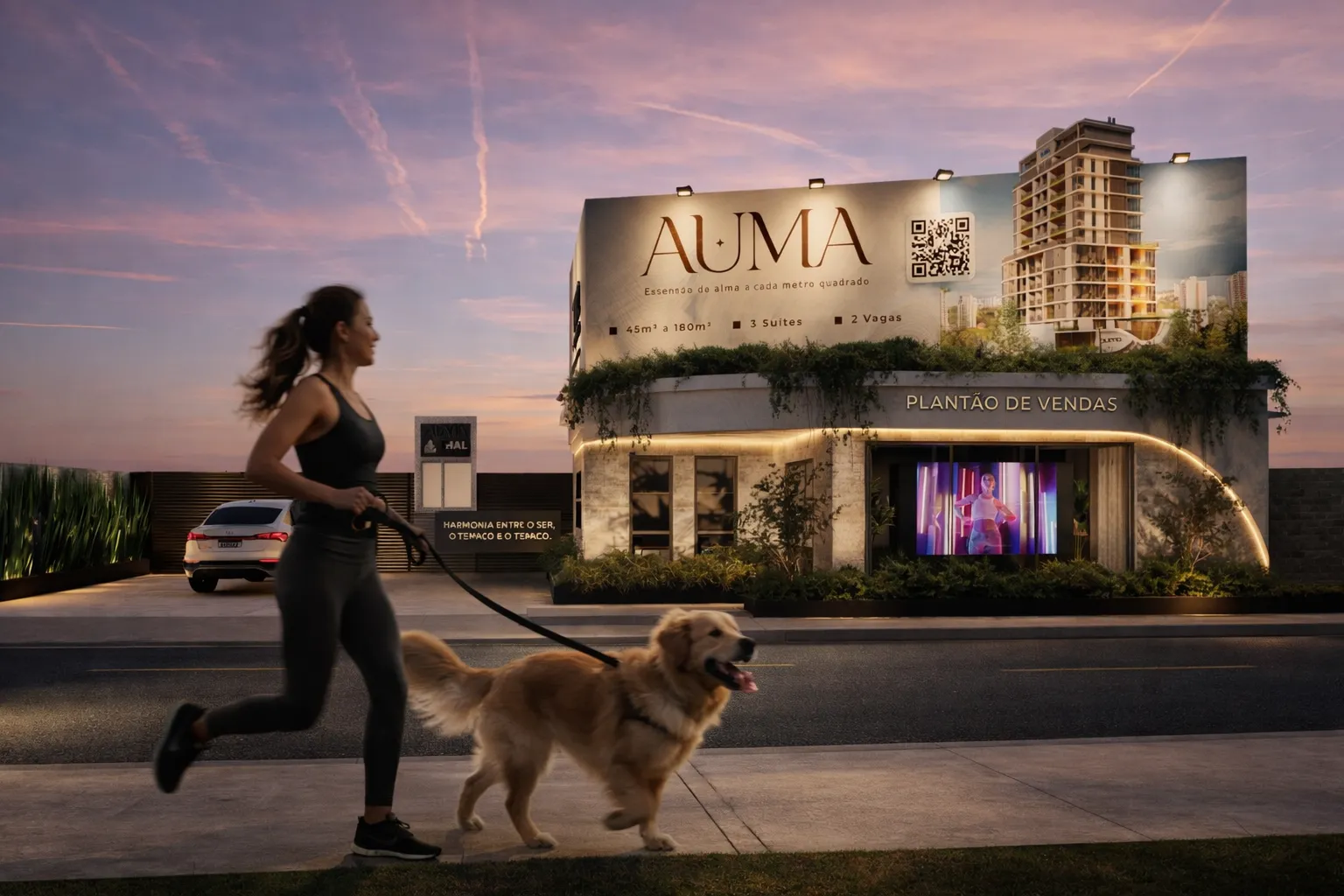
The name is the first contact between product and buyer, and the only brand element the buyer repeats out loud: to the broker, to the family, to the bank. Professional naming involves market analysis, registration checks at INPI (Brazil's patent and trademark office), domain availability checks, and perception testing with the target audience. Two examples from our portfolio show the spectrum: AUMA, created for a high-end product by Grupo Thal in Curitiba, needed a visual and sonic territory of its own for a demanding buyer; Mirage Sky Houses, in Sorriso (MT), needed to name a category that did not exist in the city, suspended houses with luxury positioning, and sustain it. The name carries the category with it.
Visual identity
Logo, typography, palette, and graphic elements that translate the positioning into visual language. The quality test is simple: remove the name from the material and see whether the target audience still recognizes which product it is, and at which price point. A development's visual identity has a requirement corporate branding does not: it has to be born in sync with the renderings. Buyers see the brand and the 3D imagery in the same ad; when the two speak different languages, perceived value cracks. That is why, at TBO, branding and 3D visualization are developed under the same roof and the same creative direction.
Narrative and storytelling
The narrative connects the brand to the buyer's lifestyle; it is what turns specifications into desire. This is not about inflated ad copy: it is about defining which story the development tells (the neighborhood moving up a tier, the view that cannot be repeated, the architecture that signs the address) and making sure the hoarding, the sales book, the film, and the Instagram caption all tell the same one. The narrative is also the raw material for the launch film: a film without a brand thesis behind it becomes a drone catalog.
Sales book
The sales book is the brand in the broker's hands. It gathers floor plans, renderings, selling points, and talking points into a piece that impresses before the first word, and it standardizes the sales pitch across the in-house team, partner brokerages, and the sales floor. A well-built sales book solves a real operational problem: in launches involving dozens of brokers, it is the only guarantee that the positioning reaches the buyer without noise.
Brand guidelines
The brand manual defines logo, colors, typography, tone of voice, photographic style, and application rules, from the construction hoarding to the digital ad. It looks like bureaucracy until month three of the campaign, when a partner brokerage builds an ad on its own and the high-end development shows up with a system font and a stock photo. The guidelines exist so the brand survives the scale of the sales operation, which always involves more hands than the developer controls.
The system is completed by the pre-launch applications, hoarding and point of sale, which build anticipation and pre-qualify the audience before the sales center opens. The detailed scope of each deliverable is described on our branding service page.
Free resource
Development branding starts before the logo
The guide covers brand platform, territory and narrative before any creative work.
Download the guide →The process in practice: steps and timelines
The complete process, from diagnosis to brand guidelines, takes 4 to 8 weeks. Projects that include naming tend toward the top of that range because of the research and registration verification stage. The workflow we use at TBO has four steps:
Step 1, Diagnosis and research (1 to 2 weeks). Analysis of the market, direct competition, target audience, the site, and the intended positioning. It is the step the market skips most often and the one that most determines the outcome. The output is a positioning thesis approved by the developer, in writing, before any creative work begins.
Step 2, Concept and naming (1 to 2 weeks). Definition of the creative concept, creation of the name, tagline, and brand narrative. It includes availability checks (INPI, domains, social handles) and perception validation. A name rejected at the trademark office during launch week is rework that costs the entire schedule, which is why verification happens here, not later.
Step 3, Design system (1 to 2 weeks). Development of the logo, palette, typography, graphic elements, and every component of the identity. This is the stage where the sync with 3D happens: the image direction of the renderings and the brand's visual universe are calibrated together.
Step 4, Applications and delivery (1 to 2 weeks). Rollout across print and digital materials, sales center, construction hoarding, sales book, and brand guidelines. The brand leaves this stage ready to operate, not ready to "be adapted later."
On the launch calendar, the practical reading is this: the brand needs to be finished before the teaser and hoarding phase, which in turn precedes the commercial launch by 60 to 90 days in most operations. Adding the 4-to-8-week process, branding should be commissioned 4 to 6 months before the launch date, typically alongside project approval and before the incorporation filing, the legal registration that allows off-plan sales in Brazil. Commission it later than that and you are choosing between launching without a brand and delaying the launch.
Branding before launch vs. during construction
There is a right time to build a brand, and it is before the market forms an opinion on its own. A brand built after launch does not build perception, it corrects perception. And correcting costs more, because it means undoing a first impression that has already circulated in ads, listing portals, and broker conversations.
Even so, there are two legitimate scenarios for branding during construction:
Repositioning unsold inventory. A launch that sold poorly and reaches mid-construction with standing inventory sometimes needs a second thesis: a new audience cut, a new narrative, a new campaign. It works, but it starts from a liability: the market has already seen the product one way. The budget that would have solved the problem at the source now competes with discounts and a renegotiated price list.
A finished building entering a new sales cycle. A delivered property, completed amenities, real photography available: the brand can be rebuilt on concrete assets instead of renderings. It is the rarest scenario and the only one where starting over can be technically better than inheriting the launch brand.
Outside those two cases, the rule is direct: the earlier branding enters the process, the more cohesive the product arrives at market, and the cheaper it is to get it right.
Common mistakes in development branding
The list below comes from patterns we have observed across more than 170 launches, including projects that reached us to redo what had already been done.
- A name picked in a partners' meeting, with no verification. The board's favorite name is already registered at INPI in a conflicting class, or the domain belongs to a competitor. Finding that out with the hoarding already printed is the expensive scenario.
- A brand born from an aesthetic reference. The brief is "we want something like launch X." The result is a brand that positions the product as the competitor's second option, by construction.
- Visual identity disconnected from the renderings. A sober brand with saturated renderings; a warm brand with cold imagery. Buyers sense the dissonance before they can name it, and perceived value drops in the gap.
- A sales book that is a dossier of floor plans. No talking points, no narrative, no hierarchy. Brokers improvise the pitch, and every broker improvises a different one.
- A brand abandoned after launch weekend. The effort at consistency lasts until the first price-list campaign. Six months later, the material in circulation would not pass a single page of the guidelines.
- Guidelines that never reach partner brokerages. The brand stays intact on the developer's channels and degrades everywhere else, which is where most of the sales happen.
- Branding treated as a cost line to squeeze. It is the cheapest component of a launch and the one that most leverages the others: media, sales center, film, and sales team all operate on top of it. Saving on the foundation to spend on the facade is a bad trade in any building.
What it costs and how to measure return
Cost. The investment varies with scope (with or without naming, the extent of applications, sales book, film) and with the size of the development. The practical reference in the Brazilian market: a launch's total marketing budget runs between 1.5% and 3% of VGV, and branding consumes a smaller fraction of that total, with one difference: it is a one-time investment, made once and consumed by the entire operation throughout the sales cycle. On a launch with R$ 80 million in VGV, the order of magnitude for complete branding is tenths of a percentage point of VGV. The comparison that matters is not against the cost of not doing it, it is against the cost of redoing it: repositioning a product that launched wrong consumes the same budget twice, plus the discounts granted in between.
Return. Branding is not measured by design awards. The metrics that earn a seat at the board table:
- Sales velocity (VSO): the percentage of inventory sold per period. It is the mother metric; an effective brand shows up here first.
- Realized price vs. list price: how much discount it took to sell. A strong brand sustains the price list; a weak brand transfers the difference to the negotiation table.
- Cost per lead and lead-to-visit conversion: a consistent brand lowers media costs and improves the quality of the leads that reach the sales center.
- Share of organic demand: direct searches for the name, referrals, leads with no paid media source. It is the cleanest signal that the brand travels on its own.
- Adoption by the sales team: if brokers use the sales book and repeat the talking points, the brand is operating; if every sales shift invents its own pitch, it is not.
The honest reading: isolating the brand's effect from the other factors (product, price, market timing) is hard. But its absence is easy to detect. It shows in every point of sales velocity lost to a comparable competitor and in every percentage point of discount the sales desk had to concede to compensate for a perception the communication never built.
Real cases: real estate branding in practice at TBO
Axis, GRP Construtora, Maringá (PR)
The challenge with Axis was twofold: launch with communication that reached the open market and, at the same time, win over an audience paid media does not segment well, the neighbors of the site itself. We developed the visual identity, the social media creative, and one piece off the standard menu: an exclusive physical letter, addressed to the development's neighbors, presenting the project before the market saw it.
The result shows what a well-directed brand does with zero media budget: the letter extended the campaign's reach, created a direct relationship with the surrounding community, and brought in high-quality organic leads, people who knew the site, understood the neighborhood, and arrived at the sales conversation at no acquisition cost. The transferable lesson: a launch's best channels are sometimes fifty meters from the site, and only a brand with a clear narrative can occupy them without looking like a flyer.
AUMA, Grupo Thal, Curitiba (PR)
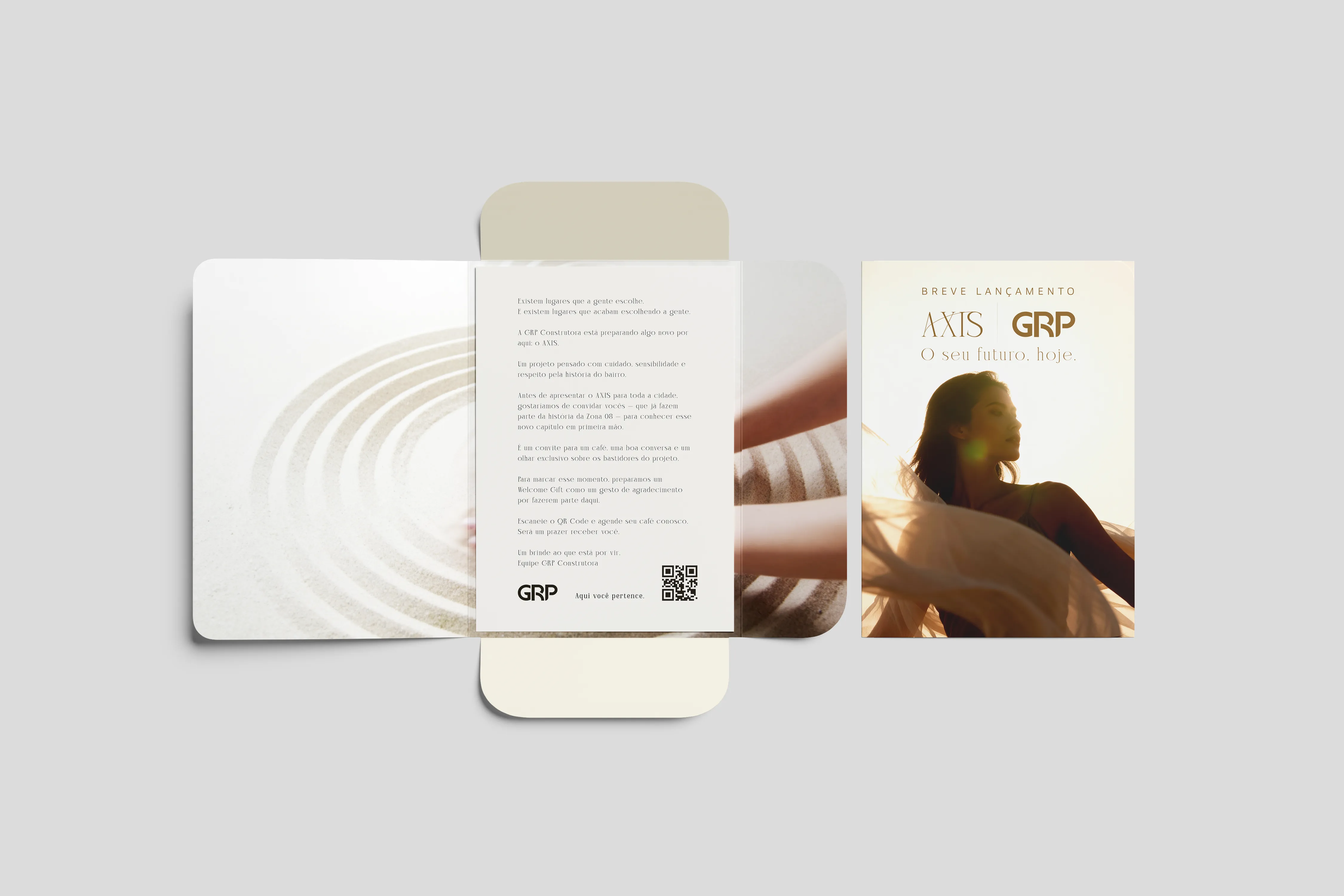
AUMA is the classic case of a high-end product that could not look like just another one: Grupo Thal needed naming and an identity that reflected the singularity of a development conceived for a demanding buyer. We created the name, the complete visual universe, and the brand manual, in sync with high-fidelity 3D renderings of the facade, amenities, and interiors.
The whole, brand and imagery born from the same creative direction, elevated the development's perceived value and gave the sales strategy an asset no comparison spreadsheet captures: a territory of its own. It is the price anchoring mechanism described above, operating in real conditions.
Mirage Sky Houses, Base Empreendimentos, Sorriso (MT)
Mirage proves that high-end branding is not a monopoly of state capitals. In Sorriso, in the interior of Mato Grosso, Base Empreendimentos needed to launch a product with no local reference category: sky houses, suspended homes with luxury positioning. The naming and the visual universe had to create the category along with the brand: positioning the product as the most prestigious address in a segment the local market had not yet named.
It is the kind of problem visual identity alone does not solve. Without the positioning and narrative layer, a "sky house" would be a large apartment with high ceilings and a price that is hard to explain.
NURA, GRP Construtora, Maringá (PR)
NURA closes the ecosystem argument: naming, visual identity, digital strategy with paid traffic management, 3D visualization, and the launch film, all under the same direction. When the brand is born integrated with media and film, every real of traffic spend works on top of a coherent universe, and the case recorded high engagement rates and qualified leads as a direct consequence of that coherence.
A development's brand is what turns interest into purchase intent, and it is built before the market forms an opinion on its own. If there is a launch on your radar, the full scope, deliverables, and process are on the TBO branding service page. To keep following the topic with analysis and data, the real estate branding hub gathers everything we publish on development brands, naming, and narrative.
Innside Imob is TBO's newsletter, with analysis on branding, architecture and high-end real estate. Subscribe here →
Frequently asked questions
It is the process of creating a development's complete strategic identity: positioning, name, visual identity, narrative, and sales materials. It differentiates the product in the market, raises perceived value, and accelerates the purchase decision.
Visual identity is part of branding: logo, colors, and typography. Branding is broader, covering naming, storytelling, positioning, tone of voice, and the entire strategy that guides the development's communication. Commissioning visual identity without strategy produces a brand file, not a brand.
From 4 to 8 weeks, from diagnosis to brand guidelines, depending on scope. Projects that include naming tend toward the longer end because of the research and trademark verification stage at INPI (Brazil's patent and trademark office).
From 4 to 6 months before the launch date, generally alongside project approval and before the incorporation filing. The brand needs to be ready before the teaser and construction hoarding phase, which precedes the commercial launch by 60 to 90 days.
Yes, naming exists as a standalone service. The recommendation, however, is the full process: when name, concept, and design are born aligned, you avoid rework and ensure consistency between what the brand says and what it shows.
It varies with scope and the size of the product, but the order of magnitude is a fraction of the launch's marketing budget, which in the Brazilian market runs between 1.5% and 3% of VGV. It is a one-time investment, consumed by the entire sales operation throughout the development's full cycle.
You may also like
Before the next launch, you need a brand platform
Why every serious developer needs a brand platform before the next launch, and how to build yours. Free guide from TBO.
Branded residences in 2026: the price of a name
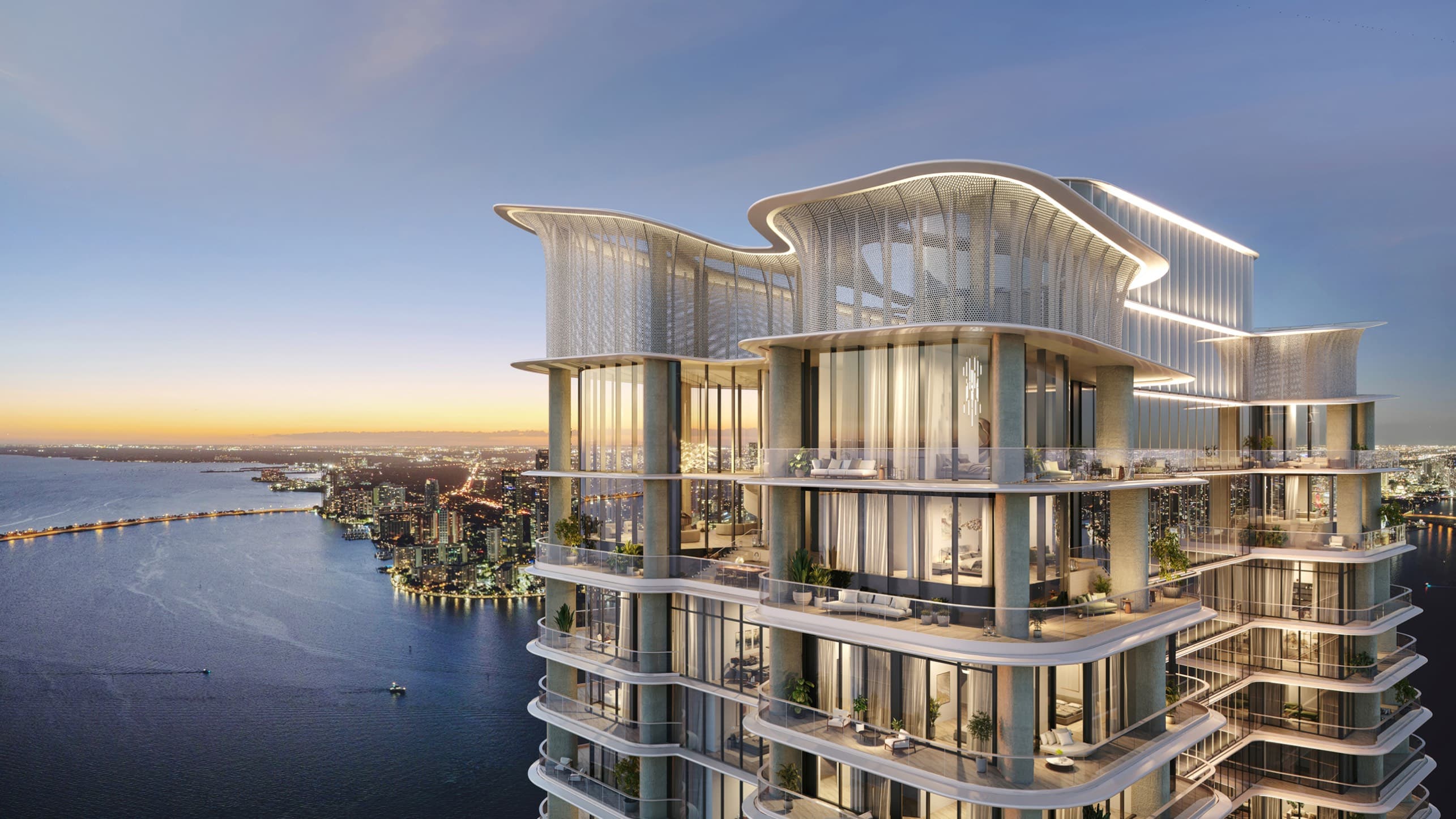
Branded residences will reach 910 schemes in 2025 and 1,747 by 2032. What the brand actually adds to a home — and where developers get it wrong.
Is your brand ready for the next launch? 5-minute diagnostic
Twelve questions, four dimensions, five minutes. Assess if your developer runs as a system or by improvisation. Get a per-dimension report with action plan.