Skip to content

Real estate technology: how property is built, financed and sold

Real estate technology is the set of tools and methods changing how property is built, financed and sold, from mass timber and modular construction to AI underwriting, tokenized ownership and the data centers now absorbing the sector's capital.

TBO's real estate technology coverage tracks the technologies that change how a property is built, financed and sold. That means AI programs inside occupier and investor portfolios, tokenized funds and loans, data centers bidding for grid capacity, and the construction methods that decide what a building costs and when it opens: mass timber, modular fabrication, retrofit. Every piece is anchored in dated, named research (JLL, Deloitte, McKinsey, the National Association of Realtors, Nationwide, AirDNA) rather than in vendor claims.

What this page collects is the gap between the announcement and the outcome. JLL found that 92% of corporate occupiers and 88% of investors started AI programs, and only 5% report achieving most of their program goals. In the UK, Nationwide found buyers pay about 1.6% more for an efficient home, while the government's own estimate puts the Future Homes Standard at 4,350 pounds per home. For anyone bringing a development to market, that gap is the commercial question: which of these technologies a buyer or a lender will actually pay for, and how to make that value legible before someone else prices it.

Updated Sep 13, 2026 · 11 articles

Real estate technology in numbers

  • JLL's Global Real Estate Outlook found that 92% of corporate occupiers and 88% of investors have initiated AI programs, running an average of five use cases at once, while only 5% report achieving most of their program goals. Read the analysis
  • The Deloitte Center for Financial Services projects that US$4 trillion of real estate could be tokenized by 2035, up from less than US$0.3 trillion in 2024, a compound annual growth rate of 27%. Read the analysis
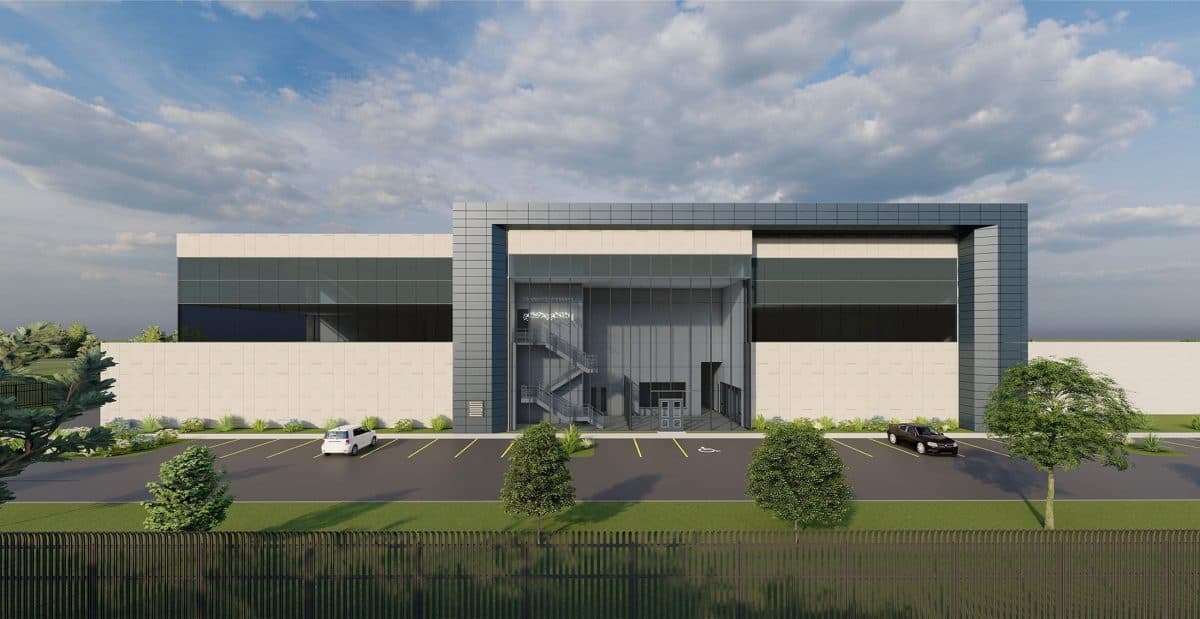
  • JLL's 2026 Global Data Center Market Outlook expects nearly 100 gigawatts of new data center capacity to be added between 2026 and 2030, enough to double the global footprint in half a decade. Read the analysis
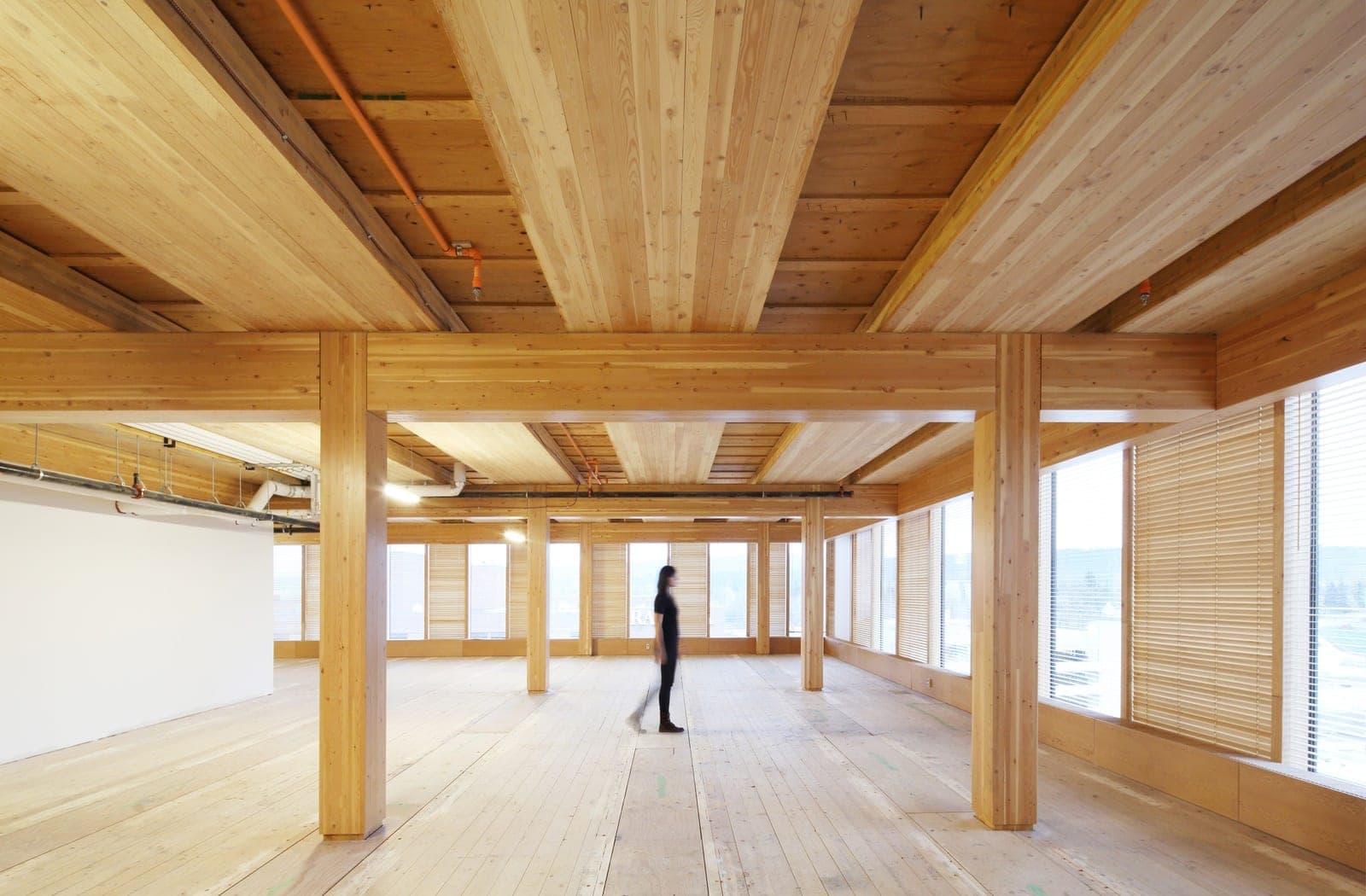
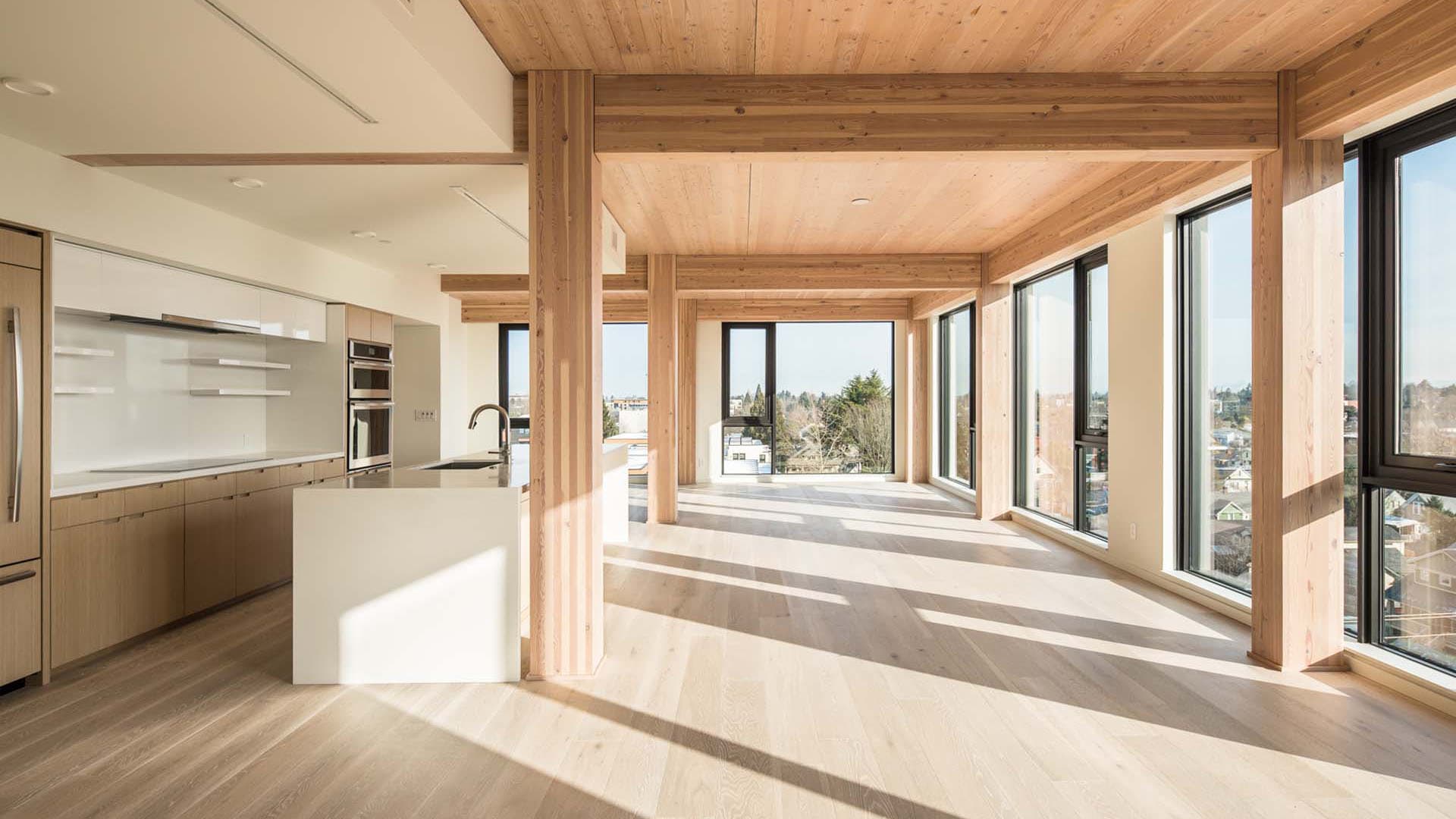
  • Data compiled by Zurich shows mass timber projects can be built about 25% faster than comparable concrete structures with 75% fewer workers on site, and Zurich projects annual US mass timber projects rising from roughly 750 in 2025 to around 5,000 a year by 2035. Read the analysis
  • The McKinsey Global Institute found that offsite modular construction can accelerate project schedules by 20 to 50 percent and, when executed well, cut costs by up to 20 percent. Read the analysis
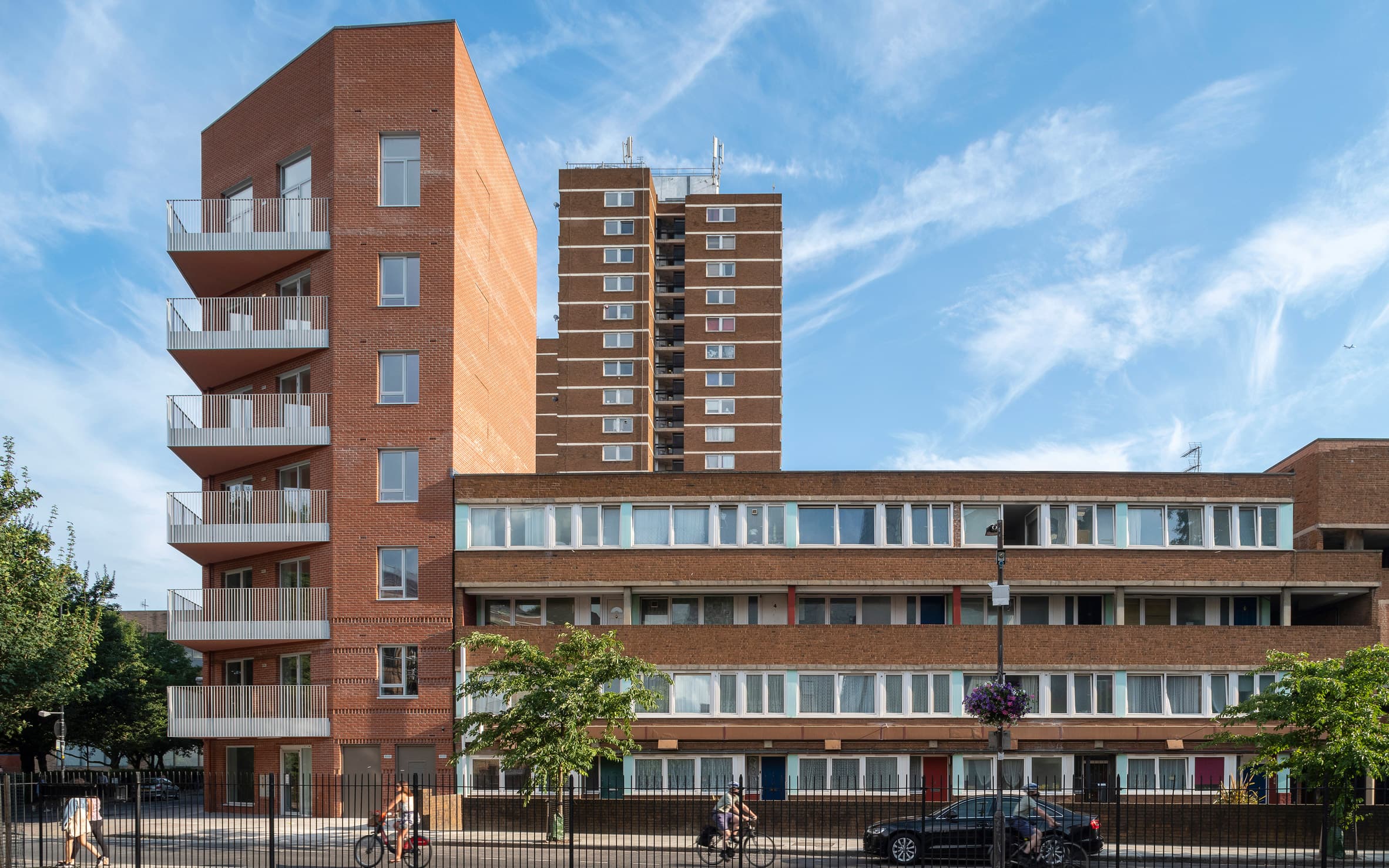
  • Nationwide analysis published in June 2026 found that a home rated EPC A or B commands roughly 1.6% more than a comparable D-rated property, against a UK government estimate of 4,350 pounds per home to meet the Future Homes Standard. Read the analysis
Blog & articles

Real Estate Technology: AI, Timber, Tokenization

Frequently asked questions about real estate technology

Real estate technology covers anything changing how property is built, financed or sold: construction methods such as mass timber and modular fabrication, capital-markets infrastructure such as tokenization, and the AI now used for underwriting, valuation and lead handling. Data centers belong to the same story from the other side, as the category the AI build-out pushed from an alternative allocation to the most contested asset class in commercial real estate, where site selection now starts with a utility rather than a broker. The common thread is that each of them moves a cost, a schedule or a buyer decision.

They fail on data foundations, not on models. JLL reports that 60% of investors still lack a unified technology strategy across their real estate functions, 70% of occupiers have no change management framework for AI, and 50% are not sufficiently resourced in digital and AI talent. A pilot succeeds on a curated slice and then meets a portfolio where the same asset carries a different identifier in the lease system, the accounting system and the appraisal file.

No, and the survey evidence points the other way. The National Association of Realtors found 68% of agents using AI but only 17% reporting a significant positive impact, and a Delta Media survey cited by Real Estate News put adoption at 97% of agents by early 2026, with 82% using it to write listing descriptions. AI is absorbing admin, listing copy and first-response lead handling. Negotiation, the relationship and local judgment have barely moved.

Loans and securitizations lead by a wide margin. Deloitte splits its US$4 trillion projection into tokenized loans and securitizations at US$2.39 trillion by 2035, private real estate funds at roughly US$1 trillion, and land or development assets at around US$500 billion. Direct tokenization of individual homes, the version that gets the headlines, remains the smallest and slowest segment, held back by regulation and by the fact that most people still buy a home to live in.

Usually not on the sticker, and frequently yes on the schedule. Data compiled by Zurich shows mass timber projects can be built about 25% faster than comparable concrete structures, with 75% fewer workers on site and panels weighing roughly one fifth as much, which shrinks foundations. The exposure is financial rather than structural: the United States imports roughly a third of its lumber, and the Commerce Department raised duties on Canadian lumber from 6.74% to 14.63%.

Other topics

Explore by topic

Working with TBO

Branding, visualization, film and launch marketing in one operation

TBO has delivered more than 170 real estate launches since 2019, working remotely with developers outside Brazil. The capabilities page sets out the disciplines, the two engagement models and the time zone overlap for each region.

See capabilities