Mass timber in 2026: the tall-wood tower goes mainstream
Mass timber towers are going mainstream in 2026 — taller, faster, lower-carbon. What CLT is, how it beats concrete, and where the real limits still are.
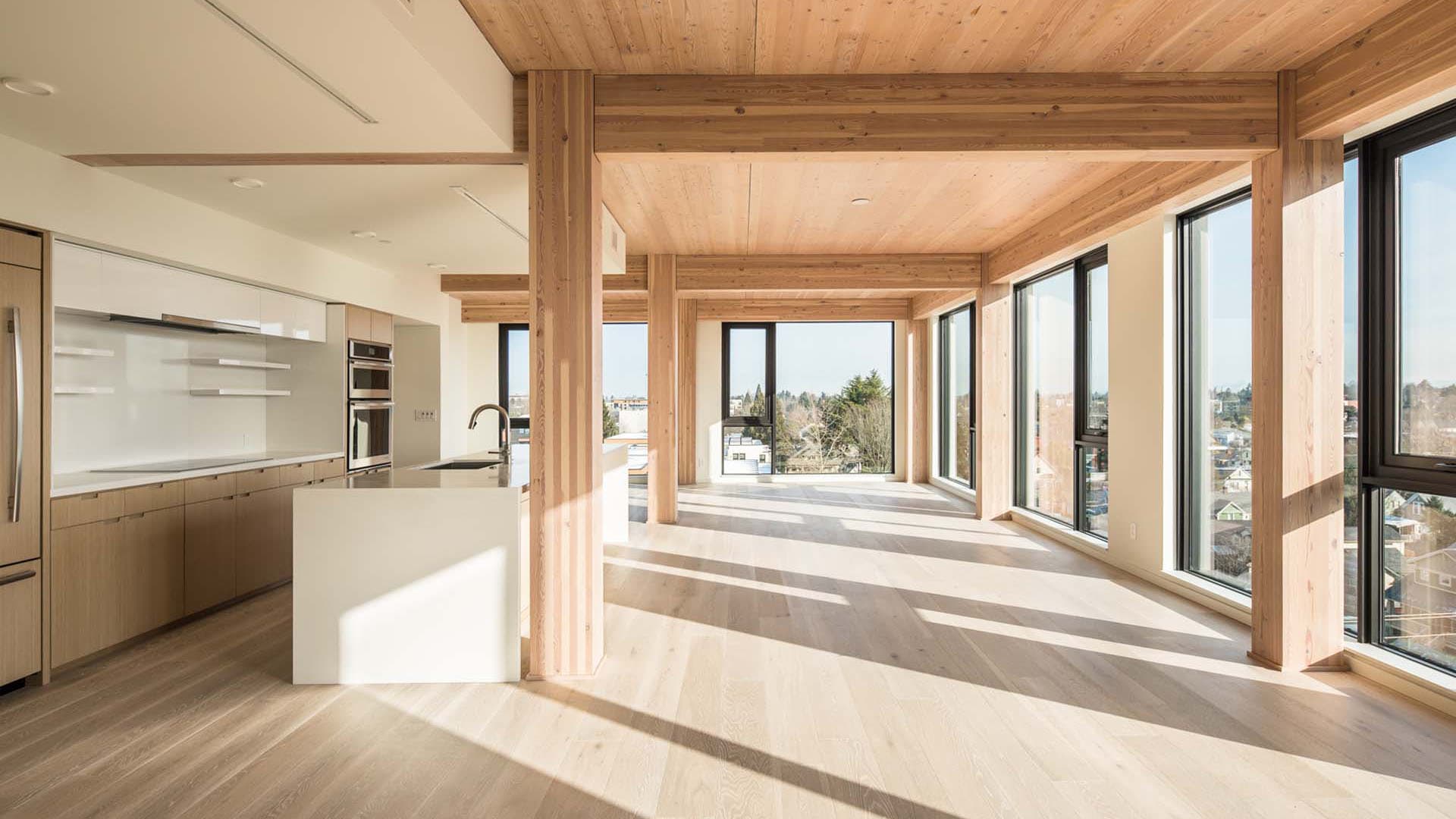
For a century, the tall building had two honest answers: steel or concrete. In 2026, a third is finally credible at height. Mass timber: engineered wood pressed and glued into panels and beams strong enough to carry a high-rise, has moved from architectural curiosity to a construction strategy that developers are pricing into real pro formas. The shift is not aesthetic nostalgia for exposed wood. It is a calculation about carbon, speed, and where the next generation of urban towers gets its structural advantage.
The proof is now standing. Milwaukee's Ascent MKE reached 25 stories and 284 feet to become, per the US Forest Service record on the world's tallest timber building, the tallest completed mass timber structure, and the same city's 31-story Neutral Edison Tower is set to overtake it as the Western Hemisphere's tallest on completion. As Science's February 2026 analysis of mass timber put it, the material is poised to reshape construction. The question for 2026 is no longer whether wood can go tall. It is how far, how fast, and at what cost.
What is mass timber, exactly?
Mass timber is a family of engineered wood products, chiefly cross-laminated timber (CLT) and glue-laminated timber (glulam), made by bonding layers of solid lumber into large structural panels, beams, and columns. Unlike the light wood framing of a suburban house, these elements are dense and fire-rated, capable of carrying the loads of a multi-story building while weighing a fraction of concrete.
The engineering breakthrough is lamination. Cross-laminated timber alternates the grain of each layer at 90 degrees, giving a panel dimensional stability and strength in two directions, the structural equivalent of plywood scaled up to the size of a floor plate. That is what lets a wood building resist the lateral and gravity loads that once demanded a steel frame or a concrete core.
Free resource
Show the warmth of timber before you pour the foundation
Directed 3D imagery lets buyers feel an exposed-wood interior at launch, long before construction. Download TBO's guide to launch-grade renders.
Download the guide →Why is mass timber better than concrete?
On three axes, mass timber wins where it matters to a developer: carbon, speed, and weight. Wood sequesters carbon absorbed during the tree's growth, while cement and steel are among the most emissions-intensive materials on a construction site. A timber structure can lock away carbon rather than emit it, a decisive advantage as embodied-carbon regulation tightens across major markets.
Speed is the underrated argument. Mass timber panels are fabricated off-site to millimeter tolerances and assembled like a kit, cutting on-site labor, crane cycles, and schedule. A prefabricated timber floor can go up in a fraction of the time a poured-concrete deck needs to cure. On a tight urban site, weeks saved translate directly into carrying-cost savings and earlier revenue.
| Factor | Mass timber | Concrete / steel |
|---|---|---|
| Embodied carbon | Sequesters carbon | High emissions to produce |
| Construction speed | Prefab, kit-of-parts assembly | Curing and wet trades on site |
| Structural weight | Light, smaller foundations | Heavy, larger foundations |
| Interior finish | Exposed wood, warm biophilic | Usually clad or covered |
| Height ceiling (today) | ~25–31 stories in practice | Effectively unlimited |
There is a fourth, softer advantage: the material sells itself. Exposed timber reads as warmth and craft, a biophilic quality that concrete and steel spend money to imitate. For residential developers, that visible wood is a marketing asset baked into the structure.
What are the downsides of mass timber?
The honest answer is cost, code, and moisture. Mass timber still carries a material premium over concrete in many markets, and its economics depend on a mature regional supply chain, which is why adoption clusters where fabricators and forestry sit close together. Building programs at institutions like the CTBUH-tracked ranking of the tallest mass timber buildings underline how concentrated the expertise still is.
Fire and water are the recurring technical objections. Modern mass timber chars predictably rather than collapsing, and building codes now permit tall wood structures with tested assemblies, but each project still fights the perception battle. Moisture during construction is the quieter risk: exposed panels must be protected before the building is enclosed, or the schedule advantage evaporates into remediation.
Mass timber does not beat concrete everywhere. It beats concrete where carbon is priced, schedules are tight, and the supply chain is close, and those conditions are spreading fast.
How tall can a timber tower actually go?
In practice, the frontier sits between 25 and 31 stories, the range Ascent MKE and the Neutral Edison Tower define. On paper, hybrid systems that pair a timber structure with a slim concrete or steel core push the ceiling higher, and proposals for taller towers circulate at every architecture biennale. The Skyscraper Museum's Tall Timber exhibition catalogs both the built record and the speculative pipeline.
What to watch in 2026 is not the record-height stunt but the middle of the market: the eight-to-eighteen-story residential and office buildings where timber's economics are clearest. That is where the material stops being a headline and becomes a default option, the way concrete quietly won the 20th century.
- Carbon accounting: as embodied-carbon rules spread, timber's sequestration becomes a compliance asset, not just a story.
- Supply chain maturity: regional fabricators are the real constraint; watch where new CLT plants open.
- Hybrid systems: timber-plus-core designs will do the heavy lifting on height before pure-wood towers do.
- Insurance and code: the perception battle around fire is being won project by project, jurisdiction by jurisdiction.
For developers and architects weighing the shift, the strategic reading is simple: mass timber is no longer an experiment to admire from a distance. It is a live option to price. Explore more market and design signals on our trends hub, and see how we translate architecture into launch narrative in our services.
Frequently asked questions
What is mass timber in construction?
Mass timber is a category of engineered wood, mainly cross-laminated timber (CLT) and glulam, made by bonding layers of solid lumber into large structural panels and beams strong enough to build multi-story and high-rise buildings, replacing much of the steel and concrete in the frame.
Why is mass timber better than concrete?
Mass timber sequesters carbon instead of emitting it, is fabricated off-site for faster assembly, and weighs far less, allowing smaller foundations. Concrete and steel remain higher-carbon and slower to erect, though they still win on maximum height. Where carbon is priced and schedules are tight, timber's edge is real.
How long do mass timber buildings last?
Properly detailed and protected from moisture, mass timber structures are designed for the same multi-decade to century lifespan as concrete or steel buildings. Historic heavy-timber structures still standing after 100-plus years are the long-run evidence; the engineered products are more consistent still.
What are the fire safety considerations for mass timber?
Unlike light wood framing, mass timber chars on its surface at a predictable rate, insulating the core and retaining load capacity long enough for safe evacuation. Building codes now allow tall timber with tested assemblies, sprinklers, and encapsulation, the reason record-height wood towers can be permitted at all.
Next step
A timber tower's warmth is its strongest sales argument, but only if buyers can feel it before it's built. Let's make that visible.
Talk to TBO →Cover image: WoodWorks
You may also like
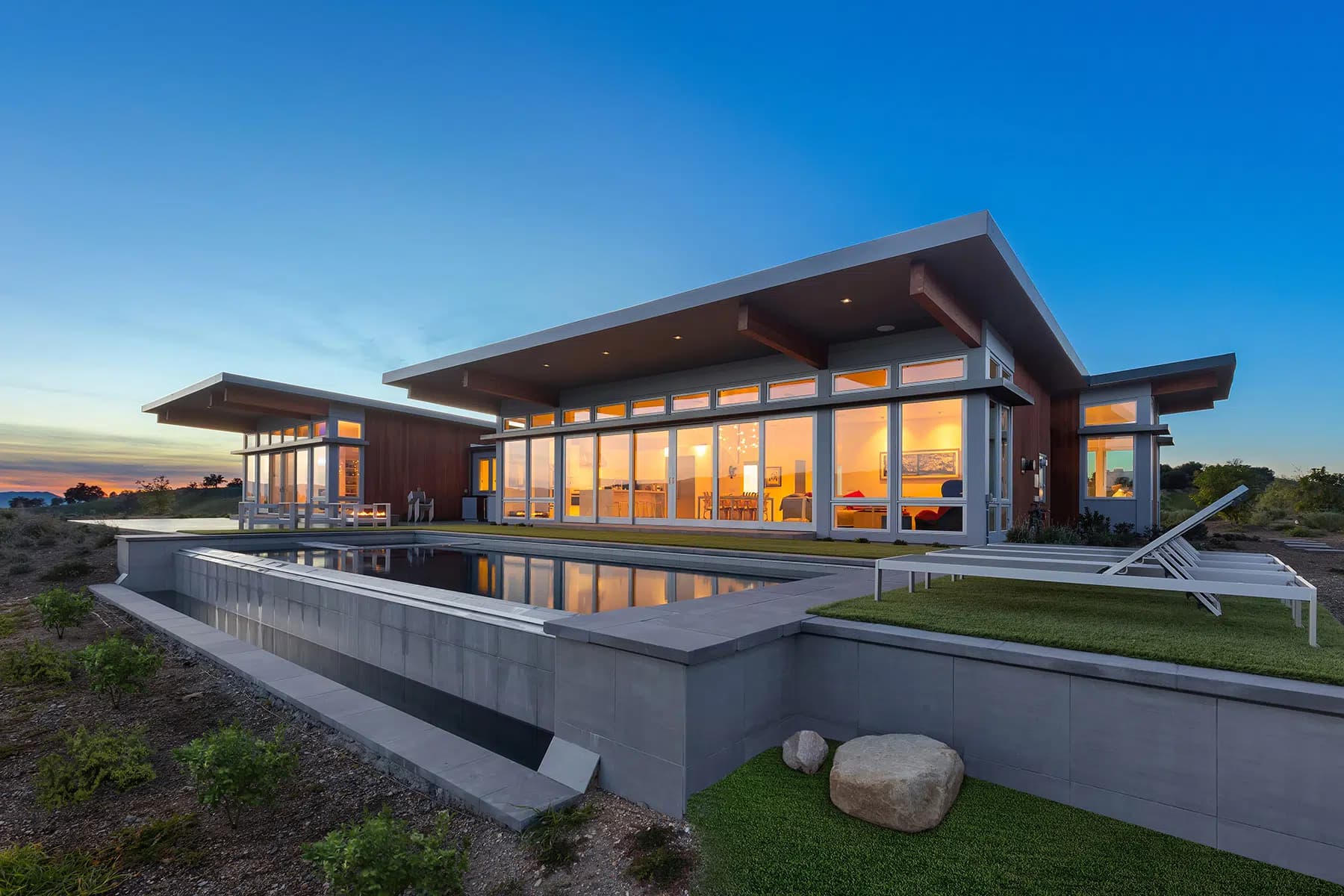
Modular luxury: prefab homes go upmarket in 2026
Modular luxury is real in 2026: prefab homes are shedding the trailer stigma and courting high-end buyers. What changed, and why it is a branding problem.
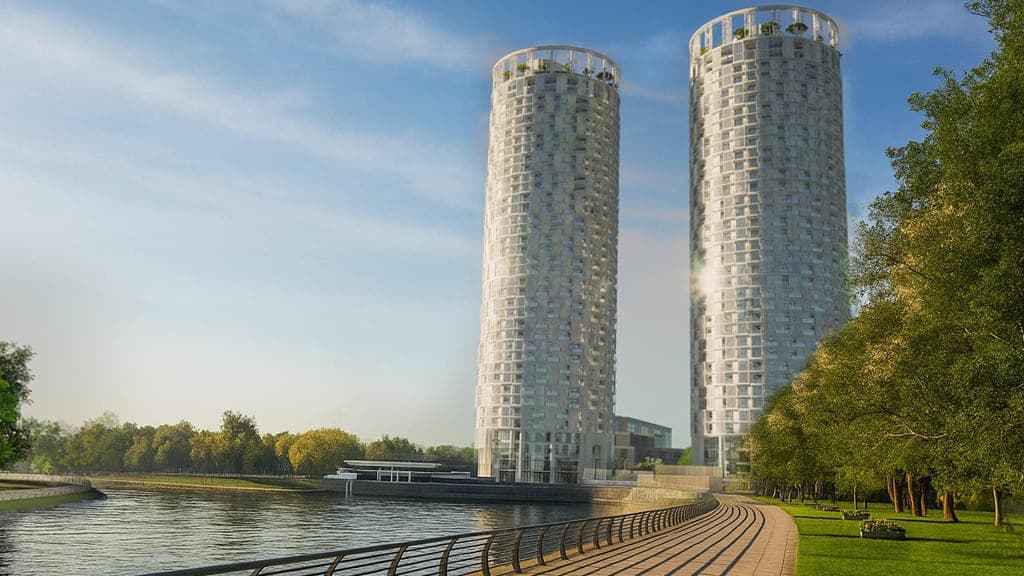
Real estate tokenization in 2026: the $4T question
Deloitte sees tokenized real estate reaching $4T by 2035. In 2026 the plumbing—Chainlink, Caliber, custody—finally caught up. A grounded reality check.
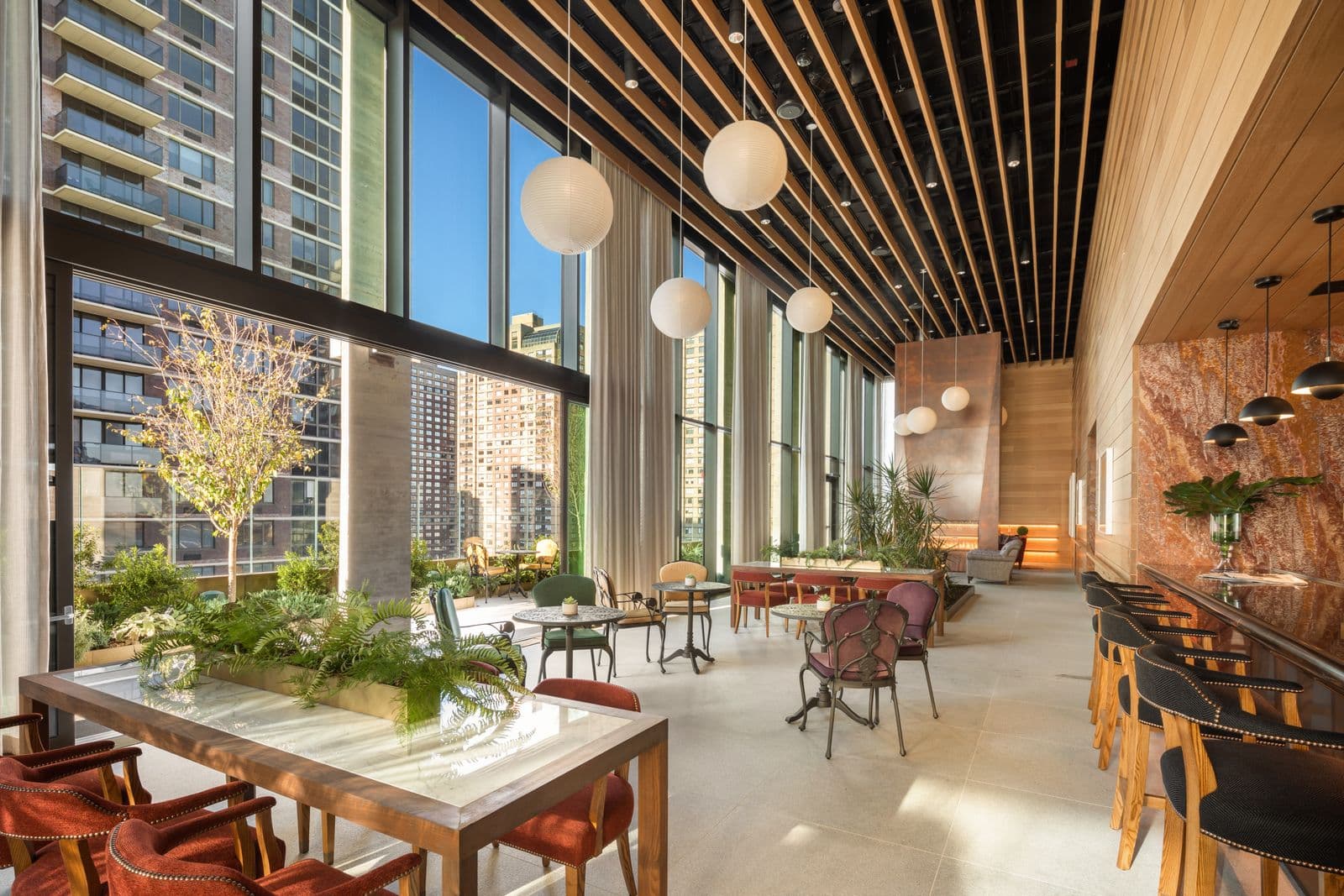
Luxury senior living in 2026: real estate's quiet giant
Occupancy near 90%, construction at a 2012 low and 73 million boomers aging in: why luxury senior living is 2026's most resilient real estate bet.