Modular luxury: prefab homes go upmarket in 2026
Modular luxury is real in 2026: prefab homes are shedding the trailer stigma and courting high-end buyers. What changed, and why it is a branding problem.
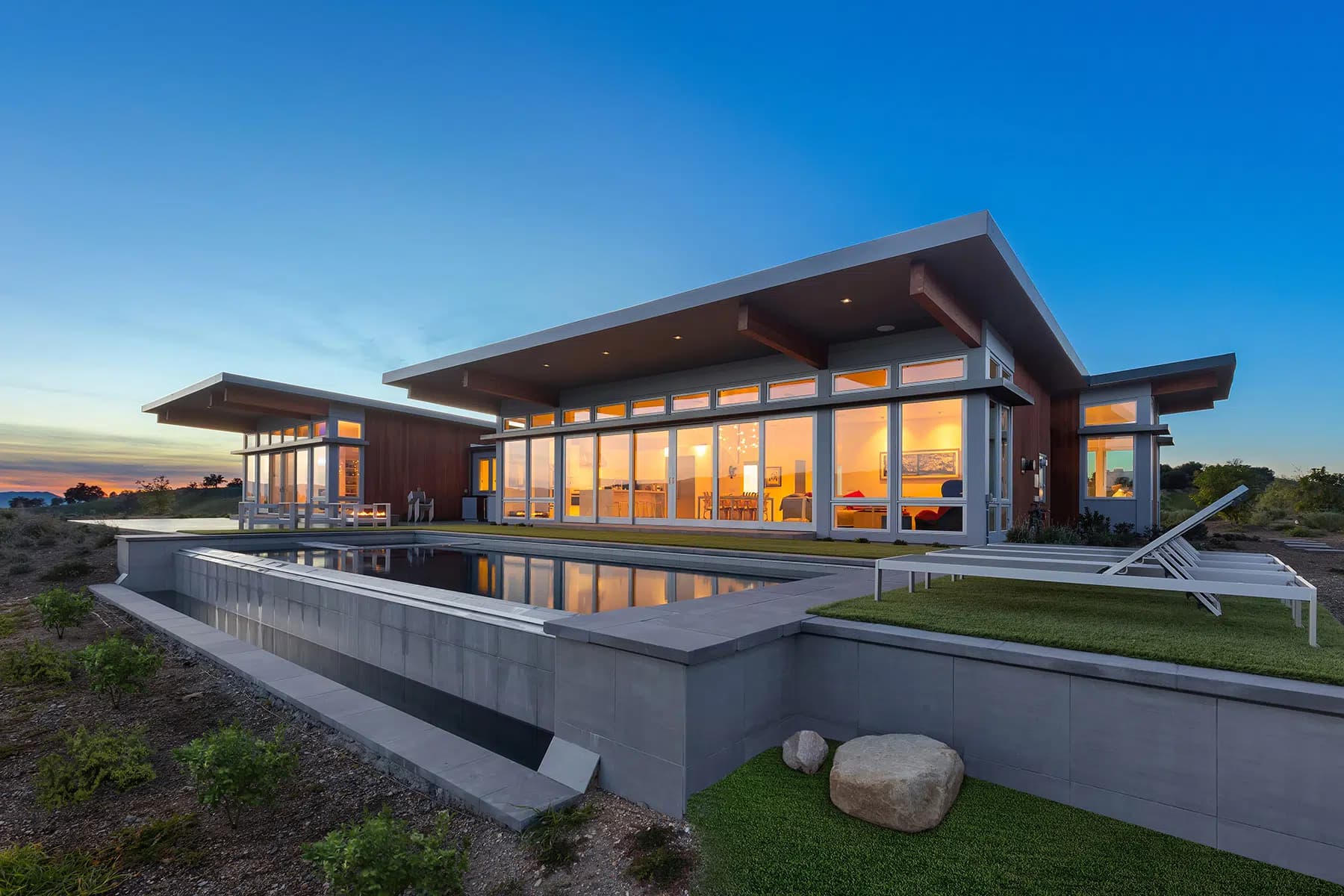
For decades, "prefab" was a slur in real estate, shorthand for cheap, boxy and temporary. In 2026, that reputation is quietly collapsing. Modular luxury is now a category with architect-designed homes, factory-grade precision and price tags that clear seven figures. When the Los Angeles Times runs a feature asking whether prefab and modular homes are finally becoming luxury, the question itself signals a shift: the stigma is losing to the spreadsheet.
The driver is not taste. It is cost, speed and labor scarcity converging in exactly the high-cost markets where custom building has become punishing. A factory can pour tolerances, control weather and run parallel schedules that a muddy job site cannot. For the first time, the fastest and most controlled way to build a high-end home is often to build most of it indoors.
What is modular luxury, exactly?
Modular luxury is high-end residential construction in which the majority of a home is fabricated as volumetric modules in a factory, then transported and assembled on site. Unlike a manufactured or mobile home, a modular luxury home is built to the same local codes as site-built construction and is architect-designed, using the same finishes, glazing and structural systems. The factory is a method, not a downgrade.
That distinction matters, because the market keeps collapsing three different things into one word. Manufactured homes ride on a permanent chassis. Panelized systems ship flat walls. Modular ships finished three-dimensional rooms. Firms like Stillwater Dwellings, Method Homes and Plant Prefab occupy the top tier of that last category, delivering custom architecture through offsite construction rather than in spite of it.
Can modular construction really be luxury?
Yes. The ceiling on modular quality is set by the factory and the architect, not by the method. Controlled indoor conditions produce tighter tolerances, less material waste and better airtightness than most site builds. What historically capped modular at the budget end was branding and financing, not craftsmanship, and both are now shifting in modular's favor.
The economics are the argument. The McKinsey Global Institute's analysis of modular construction found that offsite methods can accelerate project schedules by 20 to 50 percent and, when executed well, cut costs by up to 20 percent. In a high-cost custom market, shaving months off a build and de-risking the schedule is worth more than any finish. That is precisely why, as HousingWire's report on Plant Prefab argues, modular now fits high-cost custom markets better than the stick-built alternative it once undercut only on price.
Free resource
Selling a factory-built home as an aspiration is a brand problem
When the product is standardized, the brand carries the whole burden of desire. This is how to build a brand platform that makes a modular home feel authored, not assembled.
Download the guide →Tool for this topic
Launch Diagnostic
Six dimensions, 0 to 100 score: product, brand, sales, marketing, financial structure and experience, with bottlenecks and opportunities.
Run diagnostic →Why 2026 is the tipping point
Three pressures matured at once. Construction labor stayed scarce and expensive, land in desirable markets kept appreciating faster than structures, and a new generation of buyers stopped treating "factory-built" as an insult. The Los Angeles Times feature on prefab going luxury ties much of the current surge to rebuild demand after disasters, where speed is not a preference but a necessity.
Design credibility followed the money. As Fine Homes and Living's 2026 look at the new generation of modular homes notes, the category now competes on quality and design, not just price. The floor-to-ceiling glass, cross-laminated timber and net-zero systems that once appeared only in bespoke architecture now ship on a truck.
| Dimension | Site-built custom | Modular luxury |
|---|---|---|
| Schedule | Weather-exposed, sequential | 20 to 50 percent faster, parallel |
| Quality control | Variable, site-dependent | Factory tolerances, less waste |
| Cost certainty | Prone to overruns | Fixed early, up to 20 percent lower |
| Design ceiling | Unlimited | High, within transport limits |
| Perception | Prestigious by default | Still fighting the trailer stigma |
Is modular cheaper than a custom build?
Usually, yes, but not always dramatically at the luxury end. Modular saves on schedule, labor and waste, which matters most in high-cost markets. At the top tier, buyers are not chasing the lowest price; they are buying speed, predictability and control. A luxury modular home commonly lands in the range of roughly $250 to $500 per square foot depending on finishes and site, close to a comparable custom build but delivered faster.
- Speed is the real saving. Every month cut off a build is a month of financing, insurance and opportunity cost avoided.
- Cost certainty beats a low bid. A fixed factory price early in the process protects margin better than a cheap quote that balloons.
- Labor risk moves indoors. Factory crews are stable and trained, insulating the project from the volatile site-labor market.
- Site work still counts. Foundation, utilities and craning are site costs that modular does not erase, so total budgets narrow the gap at the high end.
The real obstacle is perception, not product
Here is the uncomfortable truth for the industry: the product caught up years ago, but the story did not. A modular luxury home still has to overcome a buyer's reflex that "factory-built" means "lesser." That is a positioning problem, and positioning problems are solved with branding, not with better hinges. The firms winning this category are the ones that market the architecture and the outcome, and treat the factory as a proof point rather than an apology.
When the product is standardized, the brand carries the entire weight of desire. A factory can guarantee the quality of a modular home. Only a brand can make a buyer want it.
This is where developers routinely underinvest. They pour capital into the modules and treat marketing as an afterthought, then wonder why the "prefab" label sticks. Building the aspiration around a standardized product is a discipline of its own, closer to the brand and positioning work behind any high-end launch than to a construction line item. It sits squarely in the same territory as the broader shifts reshaping high-end real estate marketing: the value is real, but it has to be made legible.
Frequently asked questions
Is a modular home the same as a manufactured or mobile home?
No. A manufactured home is built on a permanent chassis to a federal code and can be moved. A modular home is built to the same local building codes as a site-built house, permanently affixed to a foundation, and is assembled from factory-made three-dimensional modules. Modular luxury homes use the same architects and finishes as custom construction.
How long does a modular home last?
A properly built modular home has the same lifespan as a site-built one, typically many decades and often longer, because it is engineered to identical local codes and frequently benefits from tighter factory tolerances. Longevity is a function of design, materials and maintenance, not of where the structure was assembled.
How much does a luxury modular home cost per square foot?
At the high end, modular homes commonly run roughly $250 to $500 per square foot, depending on finishes, glazing, systems and site conditions. That is close to a comparable custom build, but the schedule is usually 20 to 50 percent shorter, which is where much of the real value accrues in expensive markets.
Next step
If the product is standardized, the brand is the differentiator. TBO builds the positioning and creative that make a factory-built home feel authored.
Talk to TBO →Cover image: www.stillwaterdwellings.com
You may also like

Real estate branding: the complete guide
What real estate branding is, components, process, timelines, cost and return, with real TBO cases. The guide for development brands that sell.
Is your brand ready for the next launch? 5-minute diagnostic
Twelve questions, four dimensions, five minutes. Assess if your developer runs as a system or by improvisation. Get a per-dimension report with action plan.
Before the next launch, you need a brand platform
Why every serious developer needs a brand platform before the next launch, and how to build yours. Free guide from TBO.