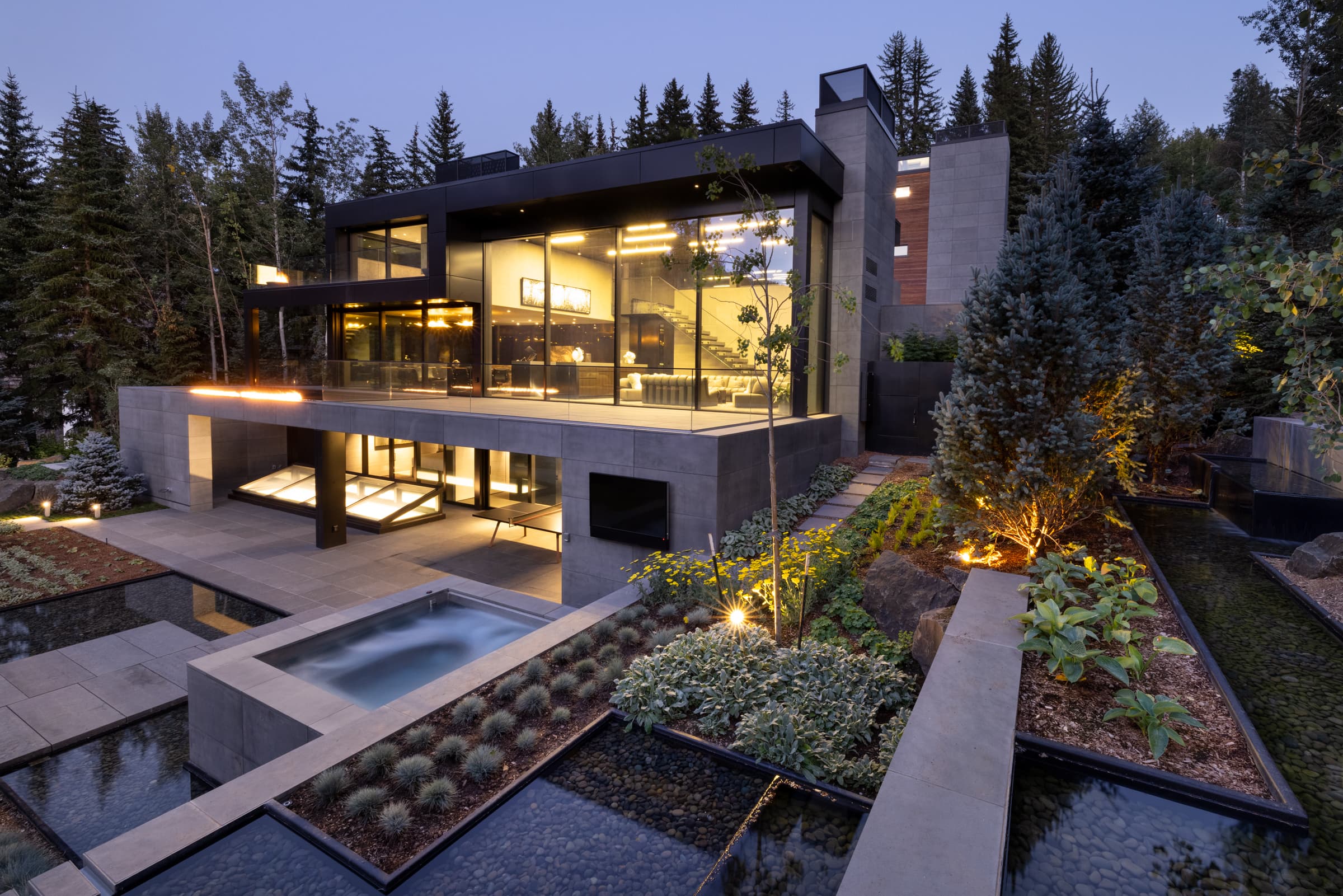
TendênciasFeatured
Wellness real estate: longevity is the new luxury
Wellness real estate is the fastest-growing property sector, worth $548B and heading past $1T by 2029. Why longevity now sets the luxury address.
Wellness real estate is residential property designed, built and operated to actively improve the health of the people inside it, through air and water quality, light, acoustics, materials and community design, rather than through amenities added late as marketing.
TBO's wellness real estate coverage tracks the sector as a product question rather than a lifestyle one: what a health claim costs to build, what it earns, and how long the earning lasts. The reporting is anchored in named sources with dated figures, the Global Wellness Institute's Build Well to Live Well series, the Knight Frank Wealth Report and its Attitudes Survey, Sotheby's International Realty's luxury outlook, NIC occupancy data, and the operators actually building the category, from Canyon Ranch to The Estate.
The six analyses gathered here run as one argument. Wellness moved from amenity to address, the amenity itself commoditized, and longevity is what now carries the premium. For anyone bringing a development to market, that sequence decides where the money goes: into hardware every competitor will have by handover, or into the programming, partnerships and story that stay scarce. That is a positioning brief before it is a design one, and it is what TBO's capabilities are built around.
Updated Jul 24, 2026 · 6 articles
Wellness real estate is the fastest-growing property sector, worth $548B and heading past $1T by 2029. Why longevity now sets the luxury address.
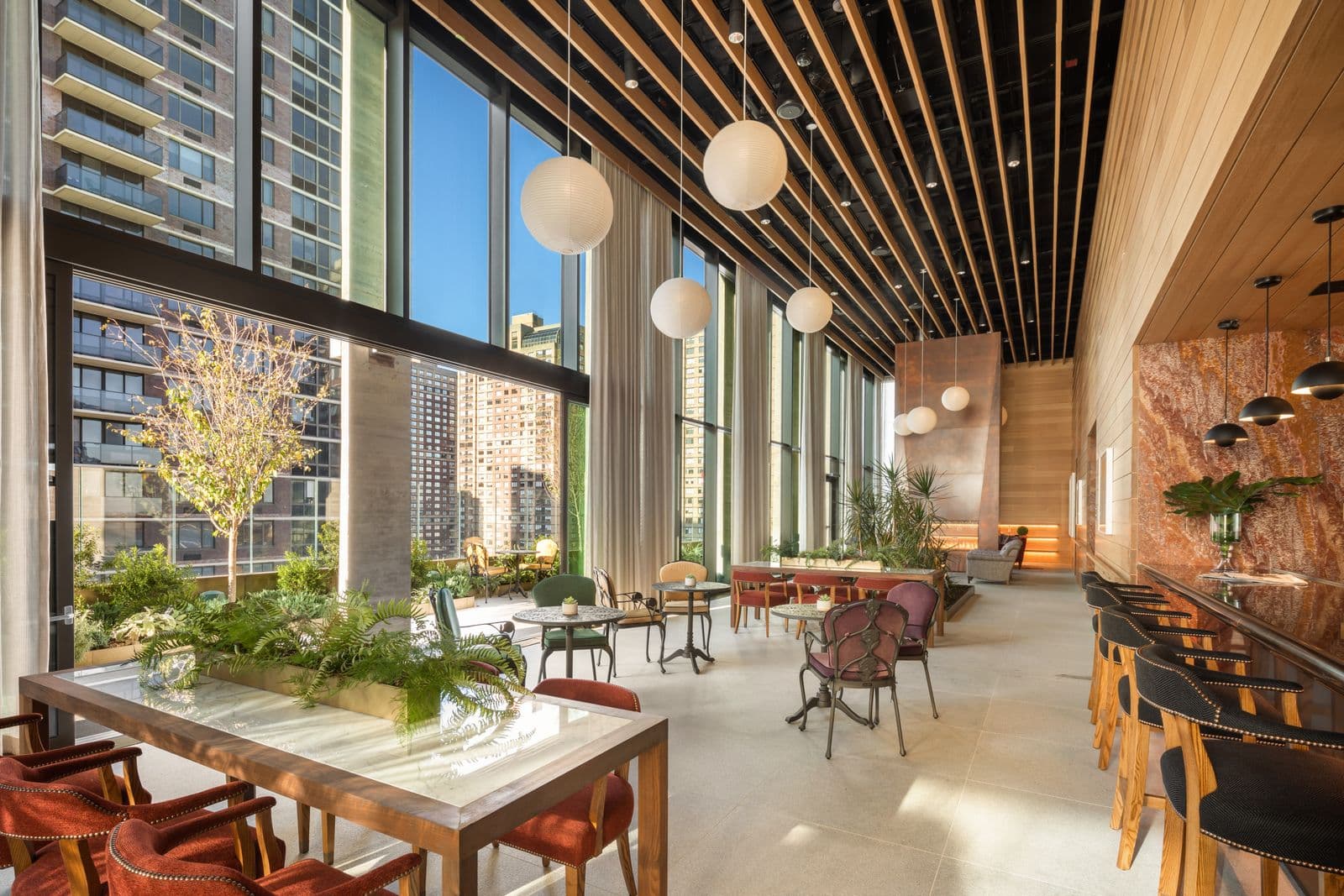
Occupancy near 90%, construction at a 2012 low and 73 million boomers aging in: why luxury senior living is 2026's most resilient real estate bet.
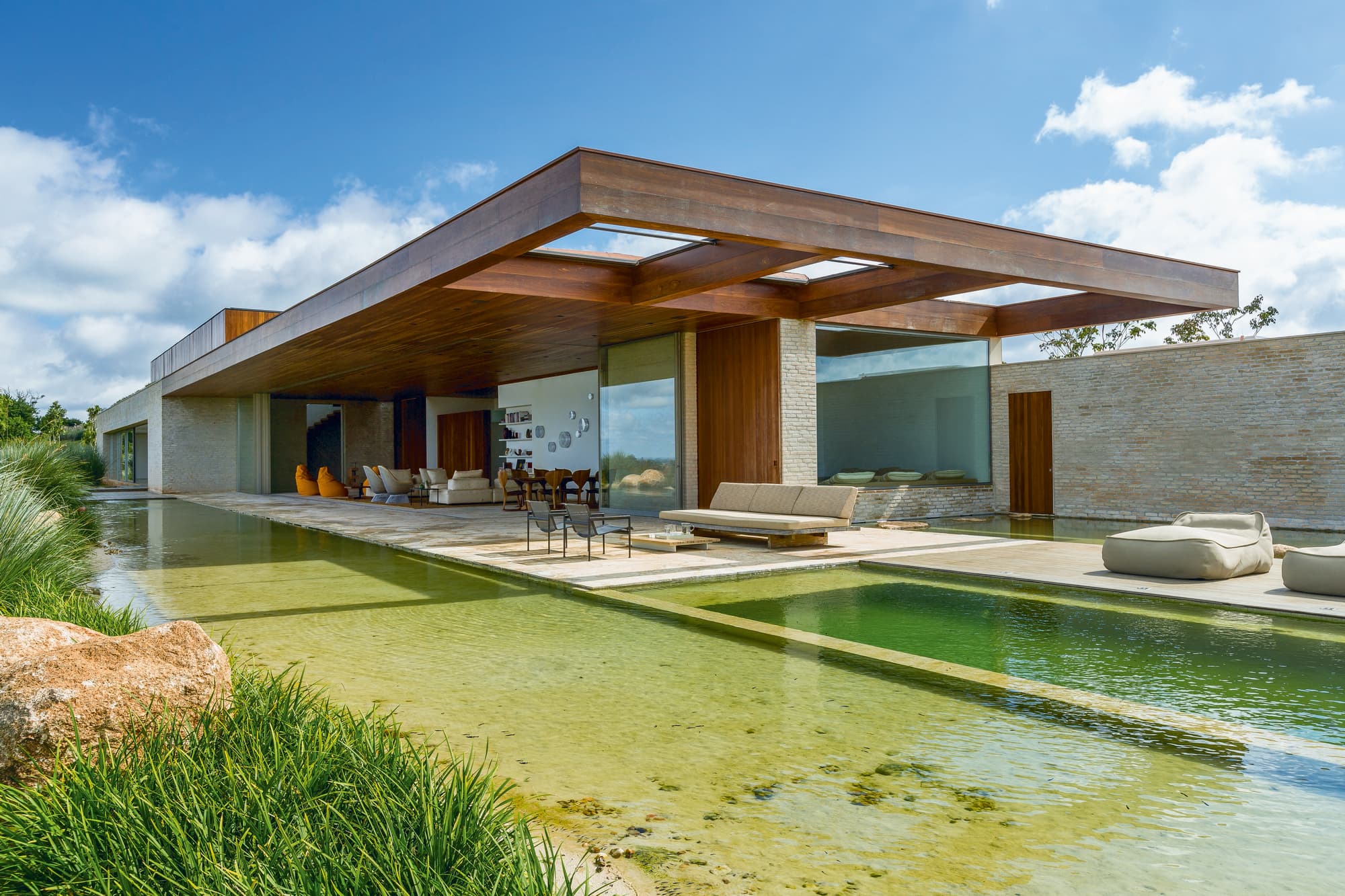
Wellness real estate is now a US$548B sector on track to top US$1 trillion. What developers and architects must build to capture the wellbeing premium.
Longevity residences are wellness real estate's hottest tier in 2026: the $584B market, the brands building it, and why branding decides the winners.
Why wellness amenities stopped commanding a premium in luxury real estate, and what replaces the biohacking lab as the real moat in 2026.
Canyon Ranch, The Estate, and Aman race to convert real estate into healthspan. Why 2026 is luxury's longevity inflection point.
Wellness real estate is property designed, built and operated to actively support the physical and mental health of its occupants, as the Global Wellness Institute defines it. The test is intent. Air and water filtration, human-centric lighting, low-tox materials, acoustic control and biophilic design are decided in design development, not bolted on as a spa late in the process.
The Global Wellness Institute's 2025 Build Well to Live Well research values wellness real estate at $876 billion for 2025, up from $584 billion in 2024 and $151 billion in 2017, and forecasts $1.8 trillion by 2030. Between 2019 and 2025 the category grew at a 23.6% average annual rate, roughly double mental wellness, the next-fastest segment. The United States is the largest national market at $254 billion, while Asia-Pacific leads regionally at $350 billion.
They do today, but the premium is shrinking as the hardware becomes standard. Cryotherapy chambers, longevity clinics and circadian lighting still support higher prices and faster absorption, because supply has not caught up with demand. The branded-residence model distributes the same specification globally within a few years, so what stays scarce is programming, medical partnerships and brand trust rather than the equipment.
A longevity residence is a home built as an active health system, integrating preventive diagnostics, circadian design, filtration and on-site or concierge medical care. The Global Wellness Institute identified it in 2026 as an emerging tier within the wellness real estate market. Named examples include Canyon Ranch Austin, Velvaere in Park City with Fountain Life diagnostics, and The Estate's 2026 openings in St. Kitts, Trento, Montreux and the United Kingdom.
Because demand is arriving while construction stays frozen. Occupied US senior housing units passed 637,000 in the first quarter of 2026 and overall occupancy reached 89.5%, with independent living at 91% and assisted living at 87.9% on NIC MAP data reported by Greystone, while new construction sits at its lowest level since 2012 and 73 million boomers age in.
TBO has delivered more than 170 real estate launches since 2019, working remotely with developers outside Brazil. The capabilities page sets out the disciplines, the two engagement models and the time zone overlap for each region.
See capabilities