Wellness real estate: longevity is the new luxury
Wellness real estate is the fastest-growing property sector, worth $548B and heading past $1T by 2029. Why longevity now sets the luxury address.
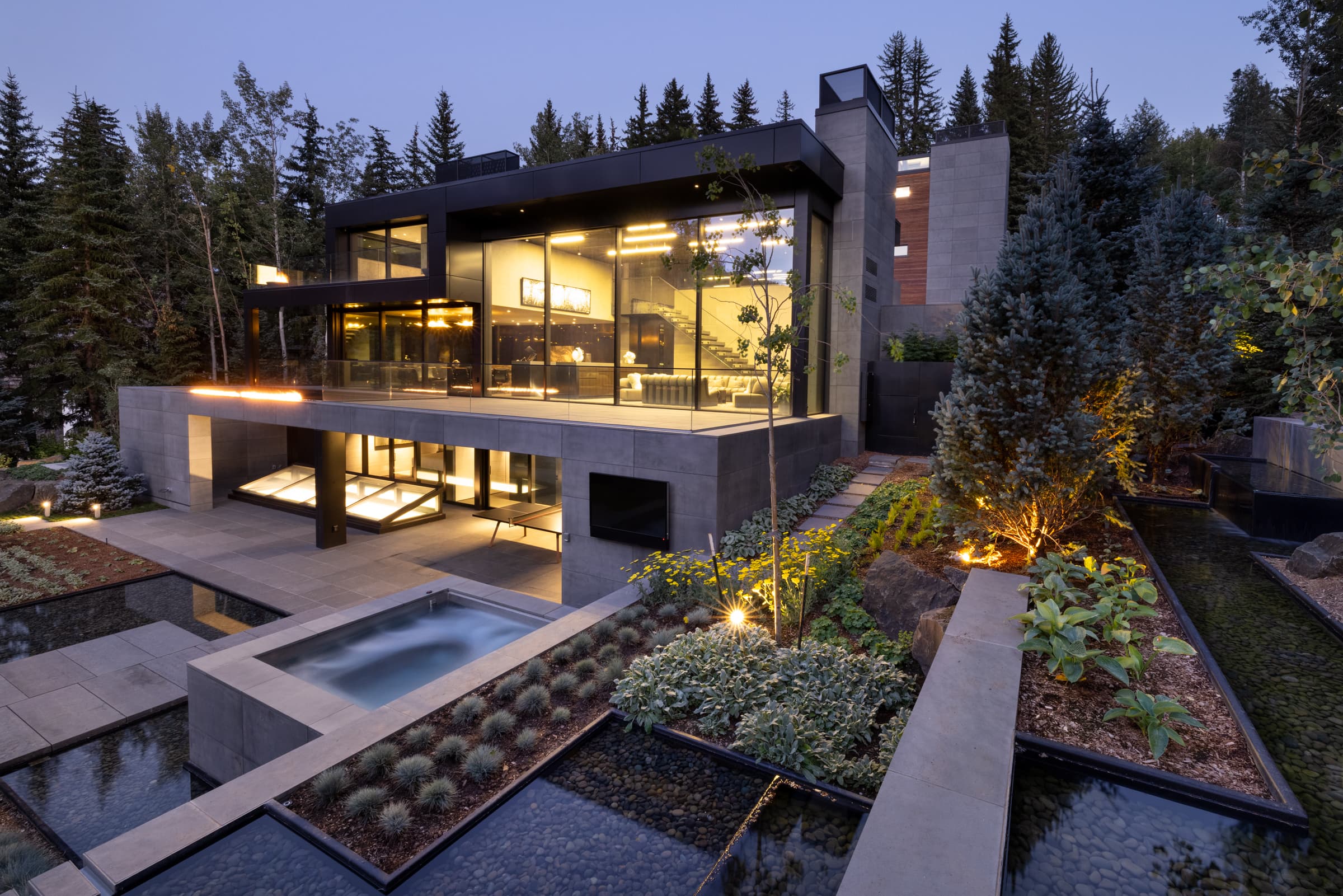
Wellness real estate is no longer a spa attached to a condo. It has become the fastest-growing sector of the wellness economy, valued at $548 billion globally and projected to pass $1 trillion by 2029, according to the Global Wellness Institute. The wealthy have stopped buying square footage. They are buying years.
That shift has a name in the industry now: longevity. In its 2026 Mid-Year Luxury Outlook, Sotheby's International Realty reports that nearly 38% of agents working the $10-million-and-above segment now see aging in place as a growing factor for buyers, while 62% cite lifestyle as an increasingly decisive one. The global longevity market itself is forecast by UBS Global Wealth Management to grow from $5.3 trillion in 2023 to $8 trillion by 2030.
What is wellness real estate?
Wellness real estate is residential property intentionally designed, built, and operated to support the physical and mental health of the people who live in it — through air and water quality, natural light, acoustics, movement, and community. It treats the home as an instrument of health outcomes rather than a container for furniture.
The address is no longer a status symbol. It is a health decision — and buyers are underwriting it the way they once underwrote a view.
Why is longevity driving luxury real estate in 2026?
Because the buyer changed. High-net-worth demand has moved from displaying wealth to defending time. When lifestyle outranks price for the majority of luxury agents, the amenities that win are the ones a doctor would recognize: circadian lighting, filtered air, quiet, and spaces built for recovery. The trophy is no longer the marble lobby. It is the resting heart rate.
This is measurable, not aspirational. The Global Wellness Institute reports, via Forbes, that 60% of consumers now cite health and wellness as the number-one reason for the home features they want — up 17 percentage points in just two years. Wellness stopped being a niche and became the default filter.
The six wellness real estate trends defining 2026
The Global Wellness Institute's 2026 Initiative Trends report names six forces reshaping how homes are designed and sold:
- The Wellbeing Address — where you live is framed as how long you live.
- Land First — the site's ecology and culture become the design brief, not a cleared parcel.
- The Three Rs — Rest, Reset, Rejuvenate; nervous-system regulation designed into daily life.
- Wellness Finds the Middle Market — the principles do not require a luxury price tag.
- From Smart Homes to Sentient Neighborhoods — AI personalizes shared wellness programming.
- Designing Against Loneliness — porches and walkable paths engineered for social connection.
Free resource
Turn a wellness thesis into a brand a buyer believes.
Longevity positioning fails when it stays a floor plan. See how a brand platform makes the health promise legible before the sales stand opens.
Download the guide →Wellness is an operating system, not an amenity
The mistake developers make is treating wellness as a room — a gym, a sauna, a cold plunge — rather than a system that runs through the whole building. Air, water, light, acoustics, and thermal comfort are the substrate; the sauna is just the visible part. A longevity home is closer to a well-tuned instrument than to a feature list, and buyers who have researched the category can tell the difference in minutes.
| Old luxury | Longevity luxury |
|---|---|
| Marble and square footage | Air, water and light quality |
| The view as trophy | The recovery space as trophy |
| Amenities you show guests | Systems you can't see but feel |
| Location for prestige | Location for health outcomes |
Does wellness design command a price premium?
It increasingly does — and, more importantly, it protects value. When 60% of buyers filter for health features, a development without them is not neutral; it is discounted. The premium is shifting from a nice-to-have surcharge to the baseline expectation of a serious address. Branded residences from operators like Aman and Six Senses have already made longevity central to their pitch, and the mainstream is following.
For developers, the implication is strategic, not decorative. A wellness claim only converts if the market believes it, and belief is built through brand strategy and positioning — the difference between a building that lists a gym and one that credibly promises more years of good living. The best product loses to the better-positioned one.
Frequently asked questions about wellness real estate
How big is the wellness real estate market?
The Global Wellness Institute values wellness real estate at $548 billion globally and projects it will surpass $1 trillion by 2029, making it the fastest-growing sector of the wellness economy.
Is wellness real estate only for the wealthy?
No. While longevity is currently a luxury driver, one of the Global Wellness Institute's 2026 trends is explicitly "Wellness Finds the Middle Market" — the design principles, from natural light to walkability, do not inherently require a luxury price tag.
What features define a longevity home?
Clean air and water systems, circadian and natural lighting, acoustic control, spaces for rest and recovery, movement-friendly layouts, and community design that reduces isolation. The emphasis is on invisible systems over showpiece amenities.
Does wellness real estate hold its value?
The evidence points that way. With a majority of buyers now filtering for health features, developments that lack them risk being repriced downward, while credible wellness positioning increasingly functions as value protection rather than a speculative premium.
Related reading: explore the trends hub and more studies and guides on the TBO blog.
Next step
A longevity promise is only as strong as the brand that carries it to the buyer.
Talk to TBO →Cover image: Colorado Homes & Lifestyles