Mortgage rates in 2026: below 6.5% as the Fed holds
US mortgage rates dipped below 6.5% in June 2026 while the Fed held and pushed cuts to 2027. What it means for buyers and the housing market.
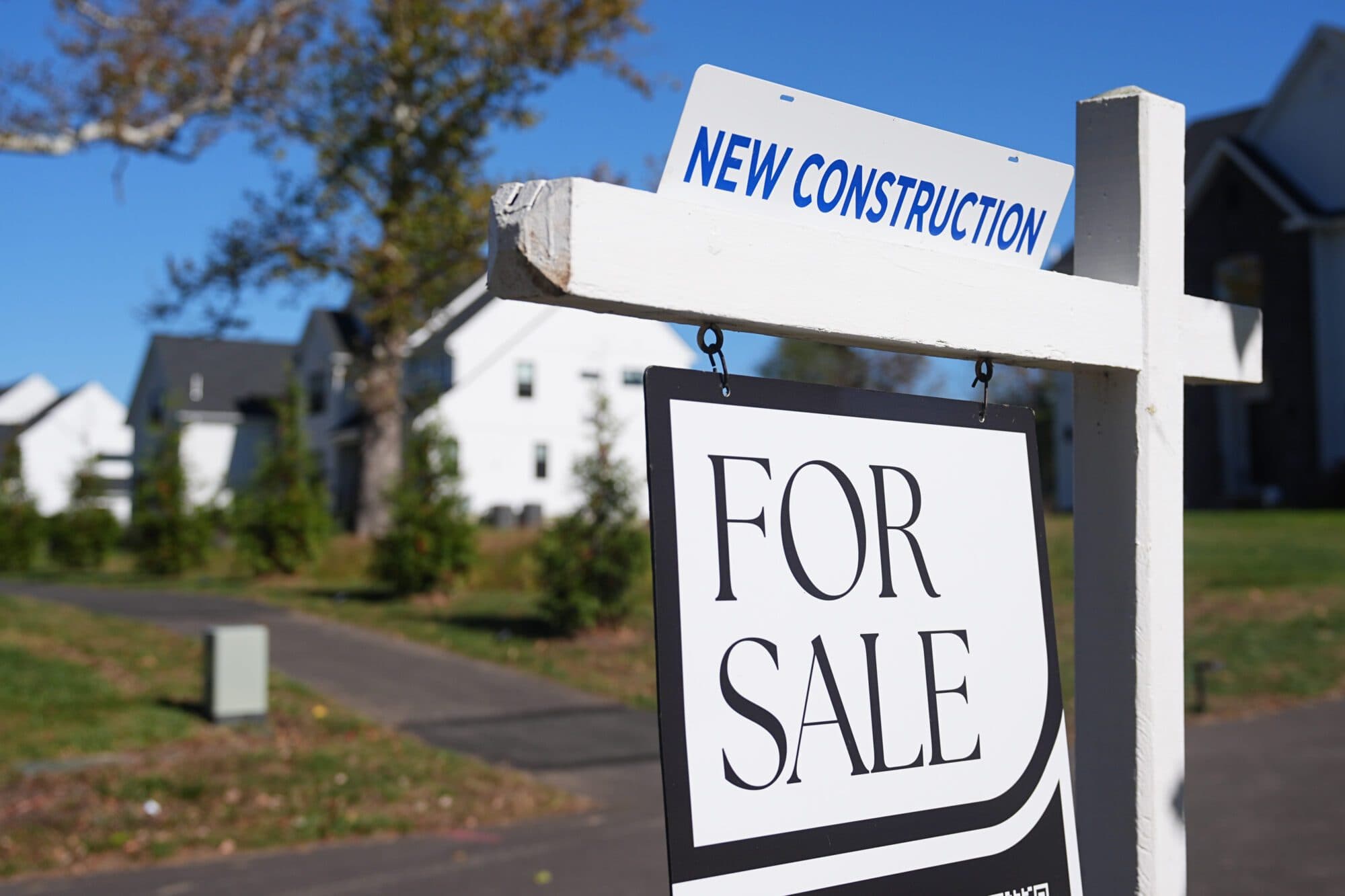
For two years, American buyers have waited for the number to break. In June 2026, it finally nudged in their favor, barely. Mortgage rates on the 30-year fixed loan slipped to 6.47% as of June 18, down from 6.52% the week before, according to Freddie Mac. But the relief came with a warning attached: hours earlier, the Federal Reserve had held its benchmark rate steady and quietly erased its own signal that cuts were coming. The cheap-money future buyers keep pricing in just got pushed further out.
The result is a market caught between a small tailwind and a stubborn headwind, and for anyone trying to buy, sell, or market a home this year, the gap between the two is where every decision now lives.
A mortgage rate is the annual interest a lender charges on a home loan; the 30-year fixed rate, tracked weekly by Freddie Mac's Primary Mortgage Market Survey, is the US benchmark that sets the monthly cost of buying for most households.
What the Fed actually did in June 2026
On June 17, the Federal Open Market Committee voted unanimously to keep its benchmark overnight rate in a range of 3.5% to 3.75%. It was Kevin Warsh's first meeting as Fed chairman, and the statement was rewritten to strip out language pointing toward future cuts, as CNBC reported on the June decision. The dot plot erased an earlier projection of a cut this year and pushed any reductions into 2027 and 2028.
The trigger was inflation. Consumer prices jumped 4.2% in May 2026, the hottest reading since 2023, lifted by an oil-price spike tied to the conflict involving Iran. That surge dragged mortgage rates up from their 2026 low of 6.09% and gave the Fed every reason to wait. As PBS noted, the central bank has limited power over long-term mortgage rates anyway, those track the bond market, not the Fed's overnight rate.
Will 2026 be a better time to buy a house?
The short answer: marginally, and unevenly. Rates near 6.5% are below year-ago levels and close to the long-term historical average, and inventory has loosened, but affordability is still stretched. With the national median family income at $106,800 and the median existing-home price at $429,300, a 20% down payment at a 6.55% rate produces a monthly principal-and-interest payment of about $2,182, roughly 25% of the typical family's income.
That math, from Bankrate's June rate analysis, explains why a sub-6.5% rate feels less like a green light than a slightly shorter wait. The buyers moving now are the ones who stopped betting on a return to 3%, a level the market does not expect to see again this cycle.
The defining mistake of the 2026 housing market is waiting for a rate that isn't coming. The Fed just told buyers the cuts are a 2027 story, and the homes, and the competition, are a 2026 reality.
What this means for developers and marketers
For anyone selling homes into a high-rate market, the playbook is about reframing cost, not denying it:
- Sell the monthly payment, not the rate. Buyers anchor on the headline rate; your job is to translate it into a livable monthly number.
- Lead with affordability levers. Rate buydowns, incentives and assistance programs are now the message, not the fine print.
- Capture the off-the-fence buyer. The cohort that gave up waiting for 3% is the most motivated demand in the market, reach it with performance media built for intent.
- Keep the brand intact while you discount. Heavy incentives can erode desirability; disciplined positioning protects it.
Free resource
The paid-media playbook for real estate launches
When rates do the gatekeeping, your media and message decide who still shows up. The framework we use to turn payment-led offers into qualified buyer traffic.
Download the guide →Are mortgage rates expected to fall further in 2026?
In practical terms, not soon. With the Fed having removed its easing bias and inflation running at 4.2%, most forecasts now see rates oscillating in the 6.4%–6.6% band rather than breaking decisively lower this year. Meaningful cuts are penciled in for 2027 and beyond, which is precisely why builders are funding rate buydowns to bridge buyers to a cheaper future that hasn't arrived.
For the demand-side picture, see our companion piece on how homebuilders are winning first-time buyers and the broader real estate market hub.
Frequently asked questions
What is the mortgage rate for buying a house in 2026?
As of mid-June 2026, the 30-year fixed-rate mortgage averages about 6.47%, per Freddie Mac, after dipping from 6.52% the prior week. Rates have traded between roughly 6.4% and 6.6% since February, well off the 2026 low of 6.09% reached before an inflation spike pushed them back up.
Why are mortgage rates still high if the Fed isn't raising?
Because mortgage rates track the bond market and inflation expectations, not the Fed's overnight rate directly. With inflation at 4.2% in May 2026 and the Fed signaling no near-term cuts, long-term yields, and the mortgage rates tied to them, stayed elevated even though the central bank simply held steady.
Will mortgage rates drop to 3% again?
Almost certainly not this cycle. The 3% rates of 2020–2021 were the product of emergency pandemic policy. With the Fed pushing cuts to 2027–2028 and inflation re-accelerating, forecasters expect rates to ease only gradually from the mid-6% range, making a return to 3% a remote scenario, not a planning assumption.
Next step
In a market where the rate does the gatekeeping, the developers who win are the ones whose message turns a stubborn number into a reachable payment. That is the work TBO does.
Talk to TBO →Cover image: Matt Rourke/AP via Magnolia Tribune
You may also like
US housing affordability 2026: the first-time buyer crisis
First-time buyers hit a 44-year low of 21% share in the US market. With rates at 6.53% and prices up 60% in six years, here is the math for 2026.
First-Time Homebuyers 2026: The Affordability Guide
First-time homebuyers fell to a record-low 21% of the US market. Mortgage rates, down payments, buydowns and how to make the math work in 2026.
US homebuilders 2026: winning the first-time buyer
Big US homebuilders are buying the entry-level market in 2026 with rate buydowns resale sellers cannot match. How the incentive economy works.